

Flux Series
Products
PRODUCTS
CONTACT US
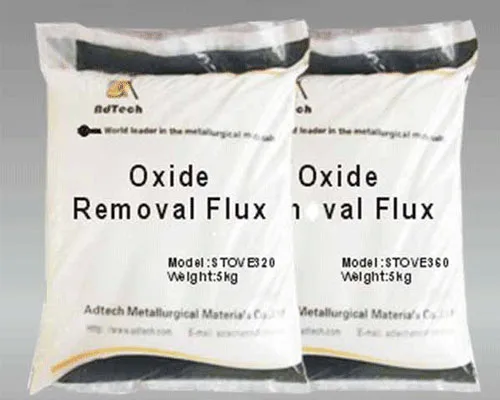

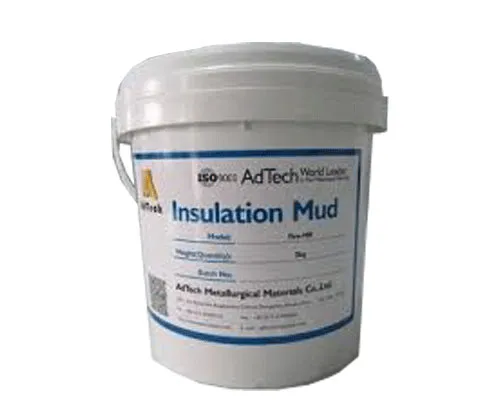
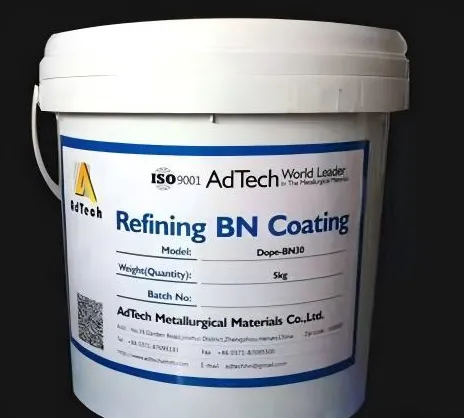
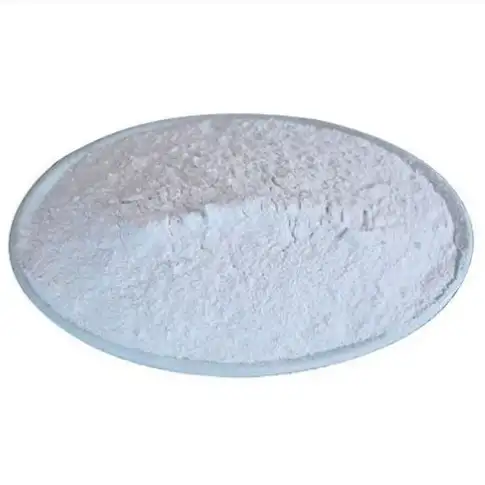
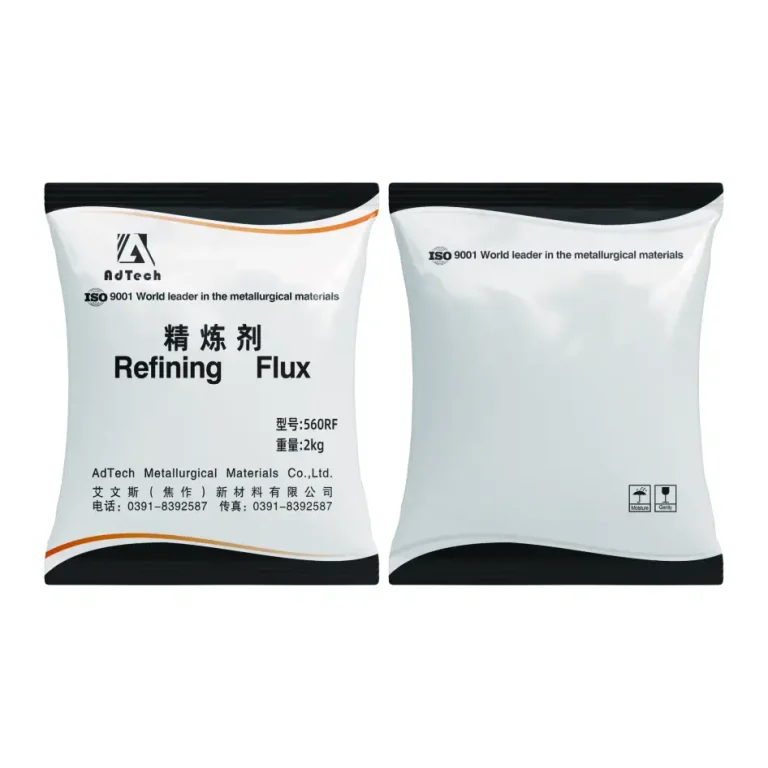
Proper selection and correct application of the Flux Series products: refining flux, deslagging flux, covering flux, oxide removal flux, molten aluminium foundry flux, molten aluminum casting flux, and molten aluminium degassing agent produces measurable improvement in melt cleanliness, reduces hydrogen-related porosity, minimizes metal losses during drossing, and supports repeatable casting quality when combined with correct thermal control and degassing technique.
Fundamental chemistry and mechanisms of flux action
Fluxes for molten aluminium generally function in one or a combination of the following chemical-physical roles:
-
Promote removal of hydrogen dissolved in the melt by creating low-partial-pressure gas sites that encourage hydrogen transfer from metal to bubble. Certain salt mixtures react at high temperature to liberate gases or form volatile aluminum halides; hydrogen diffuses into bubbles and escapes the bath.
-
Agglomerate oxide films and inclusions so these can be skimmed or separated, producing a more coherent dross layer that traps entrained metal and entrapped contaminants.
-
Form a protective layer that reduces further oxidation of liquid aluminium during holding and transfer operations. This layer limits metal losses due to surface oxidation.
-
Chemically react with surface contaminants and flux components to change their wettability, density and floatation behavior, improving the rate at which foreign phases separate from the metal.
Common flux chemistries include mixtures of chlorides, fluorides, and fluorometallates. Salt systems based on KCl-NaCl, KCl-MgCl2, and formulations containing AlF3 or Na3AlF6 produce different melting behavior, solubility and reactivity. Formulation choice depends on alloy system, operating temperature, presence of magnesium or alkali metals, and environmental or regulatory constraints.
Flux Series overview and functional grouping
The Flux Series groups products by common metallurgical objective and handling form. Brief high-level definitions follow:
-
REFINING FLUX: promotes removal of dissolved gas and fine inclusions; often provided as tablets or granules.
-
DESLAGGING FLUX: engineered to consolidate dross and facilitate rapid removal with minimal metal entrainment.
-
COVERING FLUX: applied to melt surface to reduce oxidation and heat losses during holding or transfer.
-
OXIDE REMOVAL FLUX: formulated to actively react with oxide films and free them from the metal surface.
-
MOLTEN ALUMINIUM FOUNDRY FLUX: general-purpose formulation optimized for foundry-scale melting with emphasis on scum control and operator convenience.
-
MOLTEN ALUMINIUM CASTING FLUX: tailored toward final melt conditioning in casting lines; often tuned for low-metal-loss skimming.
-
MOLTEN ALUMINIUM DEGASSING AGENT: designed to generate or enhance bubble formation and gas extraction, often used with or without inert gas rotary systems.
Each product has a designed role within a meltshop sequence. Proper results typically require pairing flux selection with temperature control, mechanical agitation, degassing method, and skimming routine.
In-depth product profiles
REFINING FLUX
Purpose
Refining flux is intended to remove dissolved hydrogen, capture microscopic oxide inclusions, and aid homogenization of the melt prior to casting. It tends to be used near the end of melting or during holding prior to transfer.
Typical composition and mechanism
Refining formulations commonly include fluoride salts, chloride salts and specialized binders. When introduced into the molten aluminium, some components decompose or react to create microbubbles or volatile halides which reduce hydrogen partial pressure and allow hydrogen to migrate out of the melt. The flux surface also promotes coalescence of fine oxides into skimmable dross.
Application
-
Form: tablets, pellets, powder or pre-measured sachets.
-
Dosage: typically controlled per tonne of metal; follow manufacturer guidance. Typical ranges in industry practice vary by alloy, alloy temperature and product density. See dosage table in section 9.
-
Method: scatter or place tablets at the melt surface, allow dwell time with minimal disturbance, then gently agitate and skim.
Benefits and limitations
-
Benefits: reduces hydrogen porosity, improves surface cleanliness, reduces inclusions in critical castings.
-
Limitations: incomplete degassing for some high hydrogen loads; sometimes incompatible with magnesium-bearing alloys if formulation contains reactive fluorides; may create volatile by-products that require ventilation.
DESLAGGING FLUX
Purpose
Designed to promote rapid coalescence of floating oxides and skimmable dross. The aim is to reduce metal entrainment in slag and shorten dross-handling cycles.
Typical composition and mechanism
Deslagging fluxes frequently contain low surface tension salts and additives which wet oxide particles and encourage formation of a continuous slag layer. The material lowers interfacial tension and increases slag density relative to trapped metal, helping cleaner separation.
Application
-
Form: powder or granules that spread over the melt surface.
-
Dosage and timing: used during melt consolidation or right after additions that increase oxide generation.
-
Removal technique: skim once slag reaches a coherent state.
Benefits and limitations
-
Benefits: reduces metal losses in slag, improves throughput by speeding skimming operations.
-
Limitations: incorrect use can trap significant metal in the slag if operator skims while slag remains non-coherent.
COVERING FLUX
Purpose
Acts as a passive barrier to atmospheric oxygen and moisture, preventing further oxidation, minimizing heat losses and reducing dross formation during holds or transfers.
Typical composition and mechanism
Covering fluxes are typically less reactive and are formulated to form a low-permeability crust on the melt surface. Common base salts include KCl and NaCl with minor additives to control melting range and surface tension.
Application
-
Form: coarse granules or pastes applied to surface.
-
Dosage: light layer sufficient to cover entire bath.
-
Use case: long holds, transport, pot-to-pot transfers.
Benefits and limitations
-
Benefits: reduces oxidation and keeps bath cleaner over time.
-
Limitations: must be fully removed prior to some casting operations to avoid inclusions.
OXIDE REMOVAL FLUX
Purpose
Actively chemically reacts with oxide films, converting them into more easily removable compounds or aggregating them for skimming.
Typical composition and mechanism
These fluxes may contain reducing agents and reactive halides that chemically modify oxide films, improving wettability with the flux and promoting aggregation and flotation.
Application
-
Form: powder, paste or tablet.
-
Technique: apply and allow dwell time, then agitate lightly to encourage oxidation products to collect.
MOLTEN ALUMINIUM FOUNDRY FLUX
Purpose
A broad-purpose flux for general foundry melting duties, optimized for a balance of dross control, metal preservation and operator safety.
Composition and usage
Mixes typically combine chloride and fluoride systems, with binders to form free-flowing granules. These are chosen for robustness over a wide temperature window and tolerance to common scrap contaminants.
MOLTEN ALUMINIUM CASTING FLUX
Purpose
Formulation focused on final melt conditioning in casting processes, often with emphasis on low metal loss and minimal interference with alloy chemistry.
Application
Used immediately before transfer to the casting machine and sometimes applied at ladle filling to ensure minimal oxide entrainment. Dosing and dwell strategies require close coordination with casting rhythm.
MOLTEN ALUMINIUM DEGASSING AGENT
Purpose
Specifically engineered to assist hydrogen removal by forming gas nucleation sites, reacting to create gases which carry hydrogen out of solution, or by chemically removing hydrogen-containing compounds.
Mechanisms and complementary methods
Degassing fluxes are frequently used together with inert gas rotary systems. Gas bubbling remains the most efficient degassing method available for bulk hydrogen removal, yet flux-assisted degassing can be effective for specific contamination profiles or when rotary equipment is unavailable.
Application methods and process integration
Successful outcomes require integration of flux use into the melt sequence. Typical procedure for a casting melt might include:
-
Clean furnace and remove heavy dross.
-
Top up alloy and correct temperature.
-
Apply covering flux if holding for extended period.
-
Apply refining flux or degassing agent prior to transfer.
-
Run degassing cycle with inert gas rotary degasser where available.
-
Skim consolidated dross; perform final flux touch-up if necessary.
-
Pour with controlled ladle transfer and filtration.
Key variables that affect flux performance include melt temperature, magnesium content, alkali metal concentration, dwell time, and mechanical stirring intensity. Combining flux use with rotary degassing often gives best hydrogen control, while flux-only degassing has a role when rotary systems cannot be used.
Comparative performance table and selection criteria
| Primary objective | Recommended flux type | Advantages | Typical limitation |
|---|---|---|---|
| Reduce hydrogen and microscopic inclusions | Refining flux or degassing agent | Improves porosity control, enhances final quality | May not remove all hydrogen without rotary degassing |
| Remove floating oxide and scum | Deslagging flux | Faster skimming, reduced metal losses | Requires correct timing and skimming skill |
| Short-term summit protection during holds | Covering flux | Limits further oxidation and heat loss | Must be removed before critical cast operations |
| Active oxide chemistry modification | Oxide removal flux | Converts films to skimmable phases | Potential reactivity with alloying elements |
| Foundry-scale general melt control | Foundry flux | Robust over variable scrap inputs | Tradeoff between reactivity and conservatism |
| Final casting conditioning | Casting flux | Low metal loss, tuned for casting line | Narrower temperature/usage window |
Selection should consider alloy family, presence of magnesium, holding temperatures, scrap contamination risk, and regulatory or workplace ventilation constraints.
Safety, storage, environmental and regulatory considerations
Fluxes based on chlorides and fluorides present specific hazards: inhalation of dust, reactive fumes at temperature, and potential formation of volatile aluminium halides. Proper controls include:
-
Keep product in sealed original packaging to prevent moisture pickup. Moisture can cause vigorous reactions on contact with molten metal.
-
Use local exhaust ventilation near the melt and degassing stations.
-
Personal protective equipment should include heat-resistant gloves, face shield, hearing protection, impervious clothing, and respiratory protection when dust or fumes may be present. See detailed PPE table below.
-
Collect and manage solid residues and dross per environmental regulations; flux-laden dross may require specialized handling due to salt content.
Regulatory constraints may limit the use of certain fluorides or chlorides in some jurisdictions. Where regulatory risk exists, prefer Na-free or low-fluoride alternatives and consult product Safety Data Sheets.
Practical troubleshooting and process recipes
Problem: Persistent hydrogen porosity in castings
-
Check melt cleanliness and moisture sources.
-
Ensure refining flux dwell is long enough and that inert gas degassing is employed. Gas degassing using rotary units is the most efficient bulk hydrogen removal technique and should be applied when hydrogen is the primary issue.
-
Verify that flux chemistry is compatible with Mg level in the alloy.
Problem: Heavy metal loss to slag during skimming
-
Use a deslagging flux that lowers surface tension and increases slag coherence.
-
Skim only when slag is coherent and thicker; premature skimming traps metal.
Problem: White dross that re-forms rapidly after skimming
-
Check holding temperature and oxygen ingress.
-
Apply covering flux during prolonged holds to reduce re-oxidation.
Data summary tables
Table 1: Typical component classes and their functional role
| Component class | Examples | Primary role |
|---|---|---|
| Chloride salts | KCl, NaCl, MgCl2 | Covering, wetting, melting range control |
| Fluoride salts | AlF3, Na3AlF6 | Reactivity with oxides, degassing assistance |
| Fluorometallates | K3AlF6 | Inclusion dissolution and adsorption |
| Oxidizers/reducers | K2SO4, KNO3 (minor) | Promote desired chemical transformations |
| Binders and anti-caking agents | Starch, silicates | Handleability, dust suppression |
Table 2: Reference dosing and temperature ranges (industry typical)
Note: these are indicative. Always follow manufacturer instructions.
| Product type | Typical melt temperature range | Typical dosing per tonne (indicative) |
|---|---|---|
| Covering flux | 650 – 750 °C | 0.5 – 2.0 kg |
| Refining flux (tablet) | 680 – 750 °C | 1.0 – 5.0 kg |
| Deslagging flux | 650 – 740 °C | 0.5 – 3.0 kg |
| Oxide removal flux | 670 – 740 °C | 0.5 – 2.5 kg |
| Degassing agent (flux form) | 680 – 740 °C | 1.0 – 6.0 kg |
Table 3: PPE and handling checklist
| Task | Minimum PPE | Engineering control |
|---|---|---|
| Handling dry flux powders | Dust mask P2/P3, gloves, goggles | Keep sealed bags; use fume hood for bagging |
| Introducing flux to molten metal | Heat resistant gloves, face shield, leather apron, safety boots | Local exhaust, keep distance with tongs or feeders |
| Degassing operations | Respirator if fumes are present, face shield | Enclose degasser, extract ventilation |
Frequently asked questions
-
What is the difference between a refining flux and a degassing agent?
Refining fluxes combine functions: they help remove hydrogen, agglomerate oxides and condition the melt surface. Degassing agents are focused on hydrogen removal mechanisms that promote bubble formation and hydrogen transport. Using both methods together often gives best results. -
Can flux use replace rotary degassing?
Not completely. Gas bubbling via rotary degasser is more effective for bulk hydrogen removal. Flux-assisted degassing can complement rotary degassing or serve when equipment is not available. -
Are fluxes compatible with magnesium-containing alloys?
Some fluorides and reactive salts can interact with magnesium. For Mg-bearing alloys, select formulations specified for that alloy family and follow supplier guidance to avoid adverse reactions. -
How do I choose between covering flux and deslagging flux?
Choose covering flux for protection during holding and transport; choose deslagging flux when rapid scum consolidation and removal is required during melt preparation. -
Do fluxes create environmental liabilities?
Flux-laden dross contains halide salts. Proper dross management and following local disposal rules reduces environmental risk. Consider lower-fluoride formulations where disposal rules are strict. -
What is the typical dwell time after adding refining flux?
Dwell time varies by formulation and hydrogen load. Industry practice often uses several minutes of quiet time, followed by gentle agitation and skimming. Manufacturer recommendations should be followed. -
Can fluxes be pre-mixed into scrap to reduce dross generation?
Pre-coating scrap is uncommon. Fluxes perform best when applied to a molten bath because they require molten contact to react. Pre-mixing may cause handling hazards. -
How should flux be stored?
Keep dry and sealed, store in cool area, avoid moisture. Moisture uptake causes caking and risks hazardous reactions upon contact with molten metal. -
Why do some fluxes form fumes when added?
Reactive components can volatilize or react exothermically, producing fumes. Adequate ventilation and correct dosing reduce exposure. -
How much metal loss occurs in dross when using flux?
Well-applied deslagging flux reduces metal entrainment, thereby lowering metal loss, but exact numbers depend on alloy, operator technique and skimming timing.
References and notes for further reading
Key references used to support main claims in this article include industry technical notes and peer-reviewed reviews on salt fluxes and degassing for aluminium alloys. Selected works include a recent MDPI review of solid salt fluxes for aluminium processing, an NCBI/PMC article on flux design strategies, industrial technical documents on flux degassing, and practical foundry guidance on degassing and fluxing. These references helped shape recommendations on flux mechanisms, composition trends, and the role of combined degassing methods.