

Plate-Type Filtering Unit
Products
PRODUCTS
CONTACT US
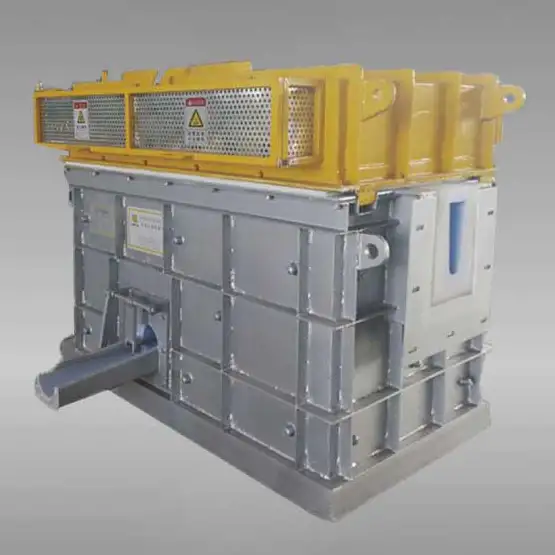

The Plate-Type Filtering Unit is an advanced piece of equipment designed for the filtration of molten aluminum, specifically aimed at removing impurities from aluminum alloys during the manufacturing process. As a critical component in aluminum plants, it helps ensure the quality and integrity of the molten metal, thereby improving the overall production efficiency and the final product’s strength. The primary function of this unit is to filter out non-metallic impurities that can contaminate aluminum during the melting process.
1. Overview of the Plate-Type Filtering Unit
The Plate-Type Filtering Unit is a filtration system specifically designed for aluminum foundries and casting facilities. It plays a crucial role in the purification of molten aluminum by removing impurities, such as oxides, slag, and other non-metallic particles. The filtering process is essential in maintaining the desired properties of aluminum alloys, which directly affects the casting quality, mechanical performance, and overall material durability.
At its core, the Plate-Type Filtering Unit consists of several layers of filtering plates designed to trap impurities while allowing the molten aluminum to pass through. The plates are typically made from high-temperature resistant materials, ensuring they can withstand the intense conditions within the melting furnace.
2. Function and Mechanism of the Plate-Type Filtering Unit
The Plate-Type Filtering Unit functions by filtering molten aluminum through a series of porous plates that trap unwanted particles. The unit’s design is optimized for high efficiency, allowing for continuous operation without the need for constant replacement of the filtering material.
-
Filtration Process: The filtering unit operates by forcing the molten aluminum through a series of plate filters. These plates have a carefully designed pore structure that ensures a high level of filtration efficiency while preventing clogging. As the aluminum passes through the plates, solid impurities are captured, while the purified aluminum flows out for further processing or casting.
-
Material Compatibility: The filtering plates are made of ceramic or similar high-temperature materials, chosen for their ability to withstand the heat of molten aluminum and their resistance to chemical corrosion.
-
Temperature Resistance: The plates and components of the unit are designed to handle the high temperatures of molten aluminum, typically around 700°C to 800°C. This ensures that the filtering process remains effective without compromising the integrity of the filtration system.
3. Key Features of the Plate-Type Filtering Unit
Several features distinguish the Plate-Type Filtering Unit as an essential piece of equipment in aluminum foundries. These include:
-
High Filtration Efficiency: The design of the plate filters ensures that even the smallest impurities are captured, leading to a higher purity of aluminum.
-
Continuous Operation: The system is designed to operate continuously, providing uninterrupted filtration during the aluminum melting and casting processes.
-
Durability: The high-temperature resistance of the plates and materials used ensures the unit’s longevity, even under the demanding conditions of aluminum processing.
-
Ease of Maintenance: The Plate-Type Filtering Unit is designed for easy maintenance, allowing for quick cleaning or replacement of the filtering plates to minimize downtime.
4. Benefits of Using the Plate-Type Filtering Unit
Using a Plate-Type Filtering Unit provides several significant advantages to aluminum manufacturers:
-
Improved Product Quality: The removal of impurities such as oxides and slag from the molten aluminum results in better mechanical properties and surface quality of the final product.
-
Increased Production Efficiency: By ensuring that the aluminum is free from contaminants before casting, manufacturers can reduce the likelihood of defects and rejections, leading to more efficient production cycles.
-
Cost Savings: Although the initial investment in a Plate-Type Filtering Unit can be substantial, the long-term savings from improved product quality, reduced waste, and fewer production errors make it a cost-effective solution.
-
Environmental Impact: Efficient filtration of aluminum helps reduce waste, as fewer materials need to be discarded due to contamination, contributing to more sustainable production practices.
5. How Plate-Type Filtering Units Work
Plate-Type Filtering Units operate based on a simple yet effective filtration process. The molten aluminum is passed through a series of filtering plates that capture and hold solid impurities. The design of the plates ensures that the molten metal flows evenly across the filter surface, maximizing the interaction between the aluminum and the filter medium.
The filter plates are typically made from durable materials that can withstand the high temperatures and corrosive nature of molten aluminum. These materials are designed to maintain their integrity over time, ensuring a long service life for the filtering unit. The filtration process also helps to reduce the oxidation of the aluminum, further improving its quality and reducing the likelihood of contamination.
The design of the Plate-Type Filtering Unit allows for easy replacement of the filter plates when necessary, ensuring minimal disruption to the production process. The units are also equipped with mechanisms to monitor and control the flow of molten aluminum, ensuring that the filtration process is consistently efficient.
6. Types of Plate-Type Filtering Units
There are several types of Plate-Type Filtering Units, each designed for different production needs and capacities. The main variations include:
Standard Plate-Type Filtering Units
These units are the most common and are designed for standard aluminum casting operations. They provide efficient filtration for most aluminum alloys and are suitable for a wide range of applications.
High-Temperature Plate-Type Filtering Units
These units are specifically designed for casting operations that involve high-temperature molten aluminum. They are made with materials that can withstand extreme temperatures without compromising on filtration efficiency.
Customized Plate-Type Filtering Units
In some cases, manufacturers require specialized filtration units tailored to specific needs. Customized Plate-Type Filtering Units can be designed to accommodate unique casting processes, specific alloy types, or high-impurity levels in the molten aluminum.
7. Applications of the Plate-Type Filtering Unit
Plate-Type Filtering Units are primarily used in aluminum casting plants, but they also have applications in various industries where aluminum and aluminum alloys are processed. These include:
-
Aluminum Alloy Manufacturing: In alloy production, the filtering unit ensures that the molten aluminum is free of contaminants that can affect the alloy’s properties.
-
Automotive Industry: Aluminum castings used in automotive components require high purity to meet strict performance standards. Plate-Type Filtering Units help ensure the quality of these parts.
-
Aerospace: The aerospace industry requires aluminum with exceptional strength and durability. Filtering impurities from molten aluminum ensures the production of high-quality components for aircraft.
-
Building and Construction: Aluminum used in construction, such as for windows, doors, and structural elements, benefits from filtration to ensure strength and durability.
8. Maintenance and Care for Plate-Type Filtering Units
Regular maintenance is crucial to ensure the continuous and efficient operation of a Plate-Type Filtering Unit. Proper care and maintenance practices include:
-
Plate Cleaning: Over time, the filtration plates can become clogged with impurities. Periodic cleaning or replacement of the plates ensures that the unit continues to operate efficiently.
-
Temperature Monitoring: Regular checks of the unit’s temperature ensure that it operates within safe limits, preventing damage to the filtration system and ensuring optimal performance.
-
Inspection of Components: Regular inspection of components such as pumps, valves, and filtration plates can identify potential issues before they cause a breakdown.
9. Frequently Asked Questions (FAQs)
Q1: What types of impurities can the Plate-Type Filtering Unit remove from molten aluminum?
The Plate-Type Filtering Unit can remove a variety of non-metallic impurities, including oxides, slag, and other particulate matter that can contaminate molten aluminum.
Q2: Can the Plate-Type Filtering Unit be used with other metals?
While the unit is primarily designed for aluminum, it can be adapted for use with other metals if they have similar characteristics in terms of temperature and chemical composition.
Q3: How often do the filtration plates need to be replaced?
The frequency of plate replacement depends on the level of impurities in the molten aluminum and the operational conditions. Typically, the plates are cleaned and replaced every few months.
Q4: Can the Plate-Type Filtering Unit handle high volumes of molten aluminum?
Yes, the unit is designed for continuous operation and can handle large volumes of molten aluminum, making it suitable for high-volume production facilities.
Q5: What is the maximum temperature the Plate-Type Filtering Unit can withstand?
The unit can withstand temperatures up to 800°C, which is suitable for most aluminum melting processes.
Q6: How does the Plate-Type Filtering Unit improve the quality of aluminum products?
By removing impurities, the unit ensures that the final aluminum product has superior mechanical properties, surface finish, and durability, meeting industry standards for quality.
Q7: Is the Plate-Type Filtering Unit easy to install?
Yes, the unit is designed for easy installation and can be integrated into existing aluminum melting and casting lines with minimal disruption.
Q8: What materials are used for the filtering plates?
The plates are typically made from high-temperature resistant ceramic materials that can withstand the harsh conditions of molten aluminum.
Q9: How does the Plate-Type Filtering Unit affect production costs?
While there is an upfront cost, the unit’s ability to improve product quality and reduce waste leads to long-term cost savings.
Q10: Can the Plate-Type Filtering Unit be used for aluminum recycling?
Yes, the unit can be used in aluminum recycling facilities to ensure that recycled aluminum is free from impurities before it is re-melted and re-cast.
Conclusion
The Plate-Type Filtering Unit is an essential tool in aluminum foundries and casting facilities, offering numerous benefits including improved product quality, increased production efficiency, and cost savings. By understanding its function, features, and maintenance requirements, aluminum manufacturers can maximize the performance of their operations and produce high-quality aluminum products that meet the demanding standards of various industries.