

Огнеупорный раствор термостойкий связующий материал, используемый для соединения, герметизации и ремонта огнеупорных кирпичей, блоков и других высокотемпературных элементов кладки в печах, печах, котлах, каминах, дымоходах и промышленном технологическом оборудовании. Он выполняет три одновременные функции: скрепляет огнеупорные блоки в конструктивно целостную сборку, герметизирует швы от проникновения горячих газов и тепловых утечек, а также обеспечивает дифференциальное тепловое расширение между соседними огнеупорными блоками во время циклов нагрева и охлаждения. Температурные характеристики коммерческих огнеупорных растворов варьируются от примерно 900°C (1652°F) для стандартных продуктов до более 1700°C (3092°F) для сверхпрочных и специальных марок.
Если ваш проект требует использования огнеупорного раствора, вы можете связаться с нами для получения бесплатного предложения.
Компания AdTech поставляет огнеупорные растворы на алюминиевые заводы, металлургические комбинаты, стекольные заводы и промышленные печи, и мы постоянно наблюдаем следующее: качество растворного шва имеет такое же значение, как и качество самого огнеупорного кирпича. Огнеупорный кирпич премиум-класса, установленный с неправильным раствором - или с правильным раствором, нанесенным неправильно, - преждевременно выйдет из строя в швах задолго до того, как срок службы корпуса кирпича подойдет к концу. Понимание того, что делает огнеупорный раствор, как работают различные типы и какая спецификация подходит для конкретного применения, необходимо для любого инженера или покупателя, занимающегося проектированием, строительством или обслуживанием огнеупорных систем.
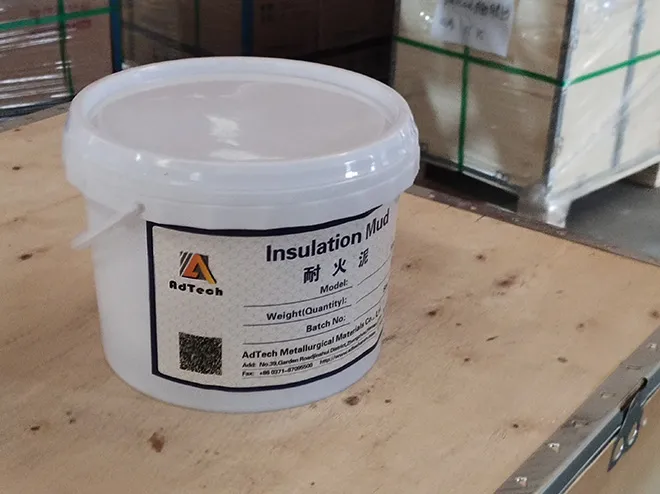
Что такое огнеупорный раствор? Состав и основные функции
Огнеупорный раствор принципиально отличается от стандартных растворов на основе портландцемента, используемых в общем кладочном строительстве. В то время как обычный раствор начинает размягчаться и терять структурную целостность при температуре выше примерно 300°C (572°F), огнеупорный раствор сохраняет прочность сцепления и стабильность размеров при температурах, которые полностью разрушают обычные строительные материалы.
Основные композиционные элементы
Состав огнеупорного раствора существенно различается в зависимости от типа продукта, температурного режима и назначения, но большинство коммерческих рецептур имеют общую структурную основу:
Тугоплавкий заполнитель: Основной твердый компонент, обеспечивающий основную часть теплофизических свойств раствора. К распространенным заполнителям относятся:
- Кальцинированный шамот (глинозем-кремнезем, 35-45% Al₂O₃).
- Высокоглиноземистые материалы (50-85% Al₂O₃).
- Кремнезем (>93% SiO₂ для кремнеземного раствора).
- Магнезия (MgO для основных огнеупоров).
- Хромомагнезиальные соединения для специфических химических сред.
- Андалузит, муллит или корунд для премиальных сортов.
Связующее вещество: Компонент, обеспечивающий прочность и адгезию. В зависимости от типа раствора это может быть:
- Силикат натрия (водное стекло) для воздушно-твердеющих строительных смесей.
- Алюминат-кальциевый цемент (CAC) для гидравлически твердеющих сортов.
- Коллоидный диоксид кремния для высокочистых применений.
- Фосфорная кислота или моноалюминийфосфат для химически связанных марок.
- Материалы на основе глины для термозастывающих растворов, которые набирают прочность только при обжиге.
Пластификаторы и модификаторы реологии: Органические и неорганические добавки, регулирующие обрабатываемость, водоудержание и консистенцию раствора. Они обычно сгорают при температуре ниже 400°C, не оставляя остатков в обожженном растворном шве.
Вода: Предварительно смешанные растворы содержат контролируемое количество воды. Сухие строительные смеси смешиваются с водой на стройплощадке до заданной консистенции.
Читайте также: Что такое огнеупорный раствор? Виды, свойства и применение в промышленности
Три функции огнеупорного раствора в системе футеровки
Структурное скрепление: Раствор заполняет пространство между огнеупорными кирпичами и создает адгезию между соседними блоками, более равномерно распределяя нагрузку по структуре облицовки и предотвращая смещение отдельных кирпичей под действием механических нагрузок, сил теплового расширения и вибрации.
Уплотнение газа: В печах и обжиговых печах горячие продукты сгорания под высоким давлением найдут и проникнут в любой негерметичный шов, вызывая локальный перегрев оболочки конструкции, эрозию поверхностей швов и тепловую неэффективность. Правильно заполненные растворные швы предотвращают проникновение газов, создавая непрерывный, плотный барьер по всему сечению облицовки.
Тепловое расширение жилья: Огнеупорные кирпичи расширяются при нагревании и сжимаются при охлаждении. Растворный шов, обладая собственными характеристиками теплового расширения и способностью слегка деформироваться при сжатии, обеспечивает небольшую разницу между соседними кирпичами, не передавая разрушительных растягивающих напряжений, которые могут привести к растрескиванию кирпичных тел.
Почему огнеупорный раствор не взаимозаменяем с обычным раствором
Это различие имеет большее значение, чем многие покупатели понимают. Стандартный портландцементный раствор начинает обезвоживаться и ослабевать при температуре выше 300°C, теряет значительную прочность к 500°C и подвергается разрушительным фазовым превращениям силиката кальция при температуре выше 700°C, что приводит к расширению и отслаиванию. Использование стандартного раствора в камине, топке или печи - даже в предположительно “прохладных” местах - во многих случаях приводит к разрушению швов в течение первого рабочего цикла.
В компании AdTech мы регулярно сталкиваемся с ситуациями, когда на объектах пытаются использовать высокотемпературную краску, стандартный кладочный раствор или даже гидравлический цемент для ремонта низкотемпературных швов, но через несколько дней после возобновления эксплуатации швы выходят из строя. Температурные показатели на огнеупорных растворах не являются маркетинговыми спецификациями - они отражают реальные пороговые химические и физические характеристики.
Виды огнеупорных растворов: Химические системы и механизмы схватывания
На рынке огнеупорных растворов представлены продукты, основанные на нескольких различных системах химического связывания, каждая из которых имеет свои эксплуатационные характеристики, требования к обращению и области применения.
Воздухововлекающий огнеупорный раствор
Воздухосхватывающие растворы набирают первоначальную прочность за счет химической реакции с атмосферным углекислым газом или высыхания при температуре окружающей среды, не требуя повышенной температуры для набора прочности. Основным связующим веществом в большинстве воздушно-твердеющих составов является силикат натрия (Na₂SiO₃, обычно называемый водяным стеклом).
Как устанавливается: Силикат натрия вступает в реакцию с CO₂ в окружающем воздухе, образуя аморфный карбонат натрия и силикагель. При высыхании силикагель обеспечивает прочное керамическое сцепление между частицами заполнителя и с поверхностью кирпича.
Ключевые преимущества:
- Набирает прочность в течение нескольких часов при комнатной температуре.
- Позволяет устанавливать и сразу же заряжать пистолет, не дожидаясь выстрела.
- Хорошая адгезия к большинству видов огнеупорного кирпича.
- Широкая доступность и умеренная стоимость.
Ключевые ограничения:
- Содержание натрия может вызвать щелочной удар по некоторым высокоглиноземистым огнеупорам при повышенных температурах.
- Растворяется в воде до полного отверждения, что ограничивает использование во влажных помещениях.
- Силикат натрия может слегка размягчаться при очень высоких температурах (выше 1200°C в некоторых составах).
Типичные области применения: Общее строительство печей, облицовка котлов кирпичом, строительство печей, строительство каминов и дымоходов, промышленные установки умеренной температуры.
Огнеупорный раствор с термоуплотнением
Термоусадочные растворы развивают свою первичную прочность сцепления только при нагревании до повышенной температуры во время первого обжига установленной облицовки. При температуре окружающей среды термоусадочный раствор работает, по сути, как скользящий - обеспечивая лишь минимальное механическое сцепление для удержания кирпичей в нужном положении во время строительства. Полное сцепление развивается по мере нагревания облицовки.
Как устанавливается: Механизм скрепления основан на спекании мелких частиц в растворе при повышенной температуре. Глинистые минералы в матрице раствора частично стекленеют, а мелкие частицы спекаются между собой и с кирпичными гранями, создавая керамическое соединение, которое зачастую прочнее, чем воздушное соединение силикатных растворов.
Ключевые преимущества:
- Без химических добавок, которые могут загрязнить атмосферу печи.
- После обжига достигается истинное керамическое соединение.
- Отличная химическая совместимость с большинством видов огнеупорного кирпича.
- Подходит для использования с чувствительными к кислоте огнеупорами, где щелочь из силиката натрия может быть проблематичной.
Ключевые ограничения:
- Отсутствие прочности при температуре окружающей среды - облицовка хрупкая при строительстве и транспортировке.
- Требует осторожного обращения перед первым обжигом.
- Невозможно проверить качество соединения до первого обжига футеровки.
Типичные области применения: Специальные печи, печи для керамической промышленности, применения, требующие высокой химической чистоты связующего материала, высокотемпературные промышленные печи, в которых футеровка будет обжигаться сразу после строительства.
Огнеупорный раствор с гидравлическим затвором
В качестве вяжущего вещества в растворах гидравлического схватывания используется алюминат-кальциевый цемент (CAC), который набирает прочность за счет реакций гидратации, аналогичных портландцементу, но обладает гораздо более высокой термостойкостью.
Как устанавливается: CAC реагирует с водой, образуя гидратные фазы алюмината кальция (C₃AH₆, CAH₁₀, C₂AH₈), которые обеспечивают быстрый рост прочности при температуре окружающей среды. При нагревании эти гидратные фазы обезвоживаются и превращаются в безводные фазы алюмината кальция (CA, CA₂, C₃A₅), которые спекаются и сохраняют достаточную прочность при повышенных температурах.
Ключевые преимущества:
- Очень быстрое набирание прочности (прочность при работе в течение 4-8 часов).
- Хорошая устойчивость к тепловому удару.
- Широкий диапазон температур в зависимости от качества CAC (от стандартного до высокоглиноземистого).
Ключевые ограничения:
- Превращение гидратных фаз при первом нагреве вызывает временное снижение прочности (так называемое явление “превращения”), которым необходимо управлять во время первого нагрева.
- Более высокая стоимость по сравнению с растворами на основе силиката натрия.
- В жаркую погоду необходимо контролировать время схватывания.
Типичные области применения: Аварийный ремонт, требующий быстрого восстановления работоспособности, склеивание сборных огнеупорных деталей, промышленные применения при умеренных и высоких температурах.
Химически связанный (фосфатный) огнеупорный раствор
В фосфатных растворах в качестве реактивного связующего используется фосфорная кислота (H₃PO₄) или моноалюминийфосфат (Al(H₂PO₄)₃, MAP). Они вступают в реакцию с оксидом алюминия в заполнителе, образуя связующие фазы фосфата алюминия.
Как устанавливается: Фосфорная кислота или MAP вступает в реакцию с глиноземом на поверхности частиц заполнителя и лицевой поверхности кирпича, образуя метафосфат алюминия и, в конечном итоге, ортофосфат алюминия (берлинит, AlPO₄), который является прочным, химически стойким керамическим связующим соединением.
Ключевые преимущества:
- Отличная прочность при промежуточных температурах (400-1200°C).
- Очень хорошая химическая стойкость к кислотным средам.
- Хорошая адгезия к высокоглиноземистым кирпичам.
- Может быть разработан для специальных профилей термостойкости.
Ключевые ограничения:
- Содержание фосфатов может загрязнять расплавы металлов в литейном производстве (об этом говорится в наших статьях о фильтрах из керамической пены).
- Некоторые составы выделяют пары фосфорной кислоты при нагревании.
- Не подходит для щелочных и основных огнеупоров (фосфат является кислотой).
- Максимальная температура ограничена стабильностью AlPO₄ (приблизительно 1300-1400°C для большинства марок).
Типичные области применения: Установка высокоглиноземистого кирпича, футеровка кислотоупорных печей, некоторые виды литейного производства (с осторожностью в отношении загрязнения фосфором), оборудование для нефтепереработки.
Сводная таблица типов огнеупорных растворов
| Тип раствора | Механизм настройки | Прочность соединения в холодном состоянии | Температура горячей связки | Связка ключей | Основное использование |
|---|---|---|---|---|---|
| Нагнетание воздуха | CO₂/ реакция сушки | Хорошо | До 1600°C+ | Силикат натрия | Общепромышленные |
| Термозакрепление | Спекание при температуре | Очень низкий | До 1700°C+ | Глина/тонкая керамика | Печи высокой чистоты |
| Гидравлическая установка | Гидратация CAC | Превосходно | До 1600°C | Алюминатный кальциевый цемент | Быстрый ремонт |
| Фосфатно-связанные | Кислотно-основная реакция | Хорошо | До 1400°C | H₃PO₄ или MAP | Высокоглиноземистый кирпич |
| Коллоидный диоксид кремния | Золь-гель консолидация | Умеренный | До 1700°C | Коллоидный SiO₂ | Высокочистые приложения |
Температурные номиналы и классификация режимов работы
Номинальная температура - самый важный параметр спецификации в паспорте огнеупорного раствора, но его также часто неправильно понимают. Номинальная температура - это не просто температура, при которой раствор плавится, она представляет собой температуру, при которой раствор сохраняет достаточную прочность сцепления, стабильность объема и химическую целостность для продолжения эксплуатации.
Стандартные классификации обязанностей
В огнеупорной промышленности растворы подразделяются на рабочие классы в зависимости от максимальной температуры эксплуатации. Эти классификации соответствуют стандарту ASTM C105 и аналогичным международным стандартам:
Низкий уровень дежурства (LD): Максимальная температура эксплуатации до 1260°C (2300°F). Подходит для каминов, дымоходов жилых домов, низкотемпературных печей и резервной изоляции. Обычно на основе шамотной глины с содержанием Al₂O₃ 35-40%.
Средняя нагрузка (MD): Максимальная температура эксплуатации до 1480°C (2700°F). Наиболее широко используемая классификация для строительства общепромышленных печей. Шамотно-глиноземистые композиции с 40-50% Al₂O₃.
Высокая нагрузка (HD): Максимальная температура эксплуатации до 1600°C (2912°F). Необходим для применения в сталелитейной промышленности, при изготовлении стеклянных резервуаров и в сложных печных условиях. Более высокое содержание глинозема, 50-70% Al₂O₃.
Super Duty (SD): Максимальная температура эксплуатации выше 1600°C (2912°F). Используется в самых сложных областях, включая строительство электродуговых печей, производство специальной керамики и высокотемпературные исследовательские установки. Очень высокоглиноземистые (70-90% Al₂O₃) или муллитовые составы.
Специальная химия: Кремнеземистые растворы, магнезиальные растворы, хромомагнезиальные растворы и другие специальные составы для специфических химических сред, каждый из которых имеет свои температурные показатели, определяемые конкретным химическим составом.
Справочная таблица температурных номиналов
| Класс службы | Максимальная температура эксплуатации (°C) | Максимальная температура эксплуатации (°F) | Диапазон Al₂O₃ | Типовое применение |
|---|---|---|---|---|
| Низкая нагрузка | До 1260°C | До 2300°F | 35-40% | Камины, дымоходы для жилых помещений |
| Средняя нагрузка | До 1480°C | До 2700°F | 40-50% | Общепромышленные печи |
| Высокая нагрузка | До 1600°C | До 2912°F | 50-70% | Сталь, стекло, печи для обжига |
| Super Duty | До 1760°C | До 3200°F | 70-90% | ЭАФ, специальная керамика |
| Кремнеземный раствор | До 1650°C | До 3002°F | 93% SiO₂) | Коксовые печи, стеклянные резервуары |
| Магнезиальный раствор | До 1800°C | До 3272°F | - (>85% MgO) | Основное сталеплавильное производство, цементные печи |
| Высокоглиноземистые | До 1800°C | До 3272°F | 85-99% | Применение при экстремальных температурах |
Понимание PCE (эквивалент пирометрического конуса)
Пирометрический конусный эквивалент (PCE) - это альтернативная система температурной оценки, используемая специально для огнеупорных материалов, которая измеряет температуру, при которой испытательный конус материала размягчается и изгибается под собственным весом - эквивалент оригинального метода пирометрического конуса, разработанного Эдвардом Ортоном. Значения PCE соответствуют определенным номерам конусов и температурам:
| Номер конуса PCE | Эквивалентная температура (°C) | Приблизительный класс нагрузки |
|---|---|---|
| PCE 14 | 1395°C | Низкая нагрузка |
| PCE 20 | 1530°C | Средняя нагрузка |
| ПКЭ 26 | 1605°C | Высокая нагрузка |
| PCE 30 | 1670°C | Super Duty |
| PCE 33 | 1745°C | Super Duty / Specialty |
| PCE 36-38 | 1796-1820°C | Специальные (высокоглиноземистые или магнезиальные) |
Показатель PCE представляет собой температуру, при которой раствор начинает размягчаться, а не температуру, при которой он полностью теряет прочность. На практике огнеупорные растворы следует использовать при температурах на 50-100°C ниже их номинальной температуры PCE, чтобы обеспечить достаточный запас прочности.
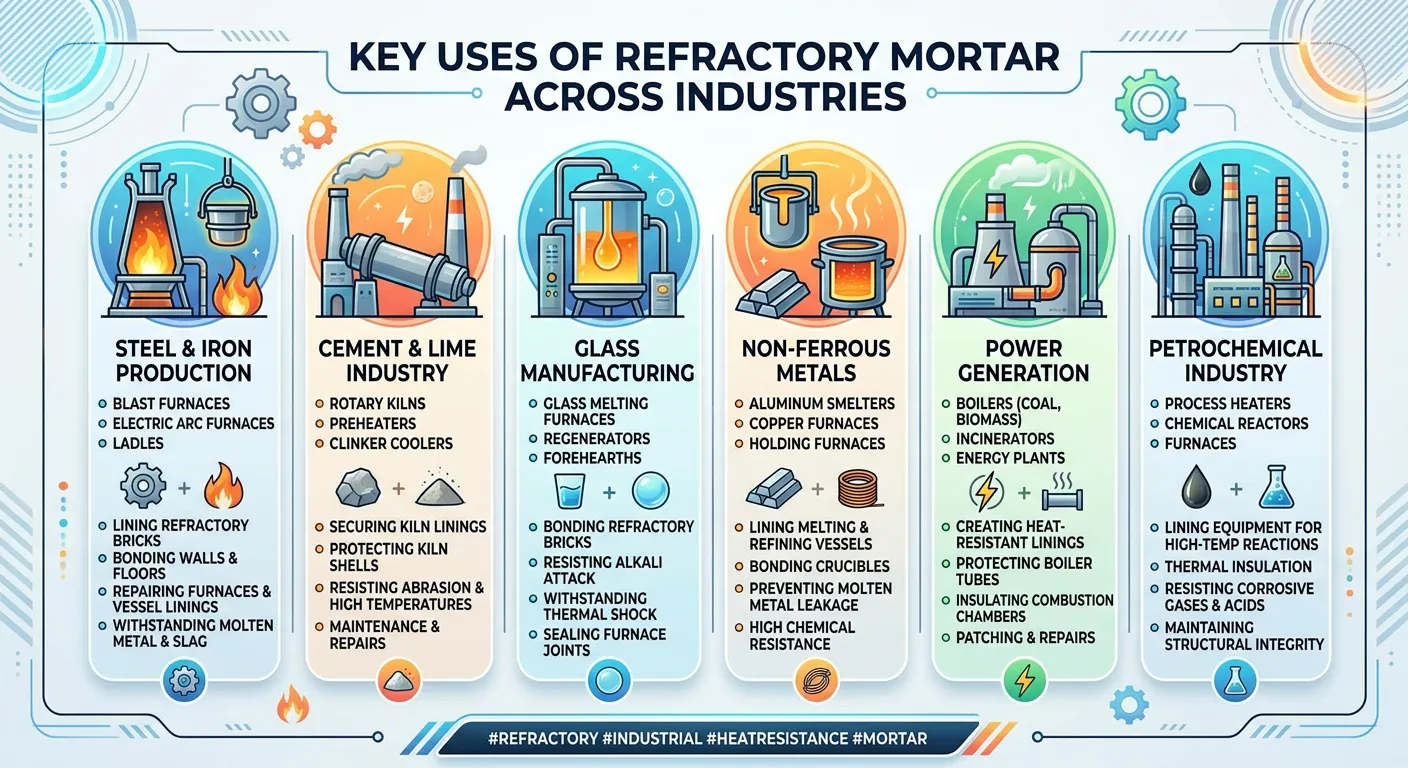
Основные области применения огнеупорного раствора в различных отраслях промышленности
Конструкция печи и системы футеровки
Строительство промышленных печей - самый большой сегмент применения огнеупорного раствора. Любая печь с кирпичной футеровкой - будь то печь для повторного нагрева стали, печь для плавки алюминия, резервуар для плавки стекла или промышленная печь - требует использования раствора в каждом кирпичном шве.
Конструкция стен: Стены печей возводятся по очереди, раствор наносится на горизонтальные (постельные) и вертикальные (головные) швы. Толщина швов обычно составляет 2-6 мм, при этом более тонкие швы предпочтительны при высоких температурах, поскольку они минимизируют разницу в тепловом расширении кирпича и раствора.
Конструкция арки и короны: В печных арках и подвесных крышах кирпич используется на сжатие, при этом раствор герметизирует швы от утечки газа и распределяет сжимающие нагрузки. Растворы для арок должны особенно хорошо выдерживать деформацию сжатия, не выдавливаясь из шва.
Конструкция очага: Очаги печей испытывают комбинированную механическую нагрузку от шихты, температурных циклических напряжений и часто химического воздействия шлака и металла. Растворы для горна должны одновременно противостоять истиранию, тепловому удару и химическому воздействию.
Горячая поверхность в сравнении с резервным соединением: В многослойных облицовочных системах для швов кирпича на горячей поверхности используется раствор, рассчитанный на температуру горячей поверхности, а для резервных слоев - раствор, рассчитанный на более низкую температуру, которую они испытывают. Использование раствора для горячей облицовки по всей облицовке приводит к лишним затратам; использование резервного раствора для горячей облицовки чревато преждевременным разрушением швов.
Строительство дымоходов и дымовых труб
Строительство дымоходов в жилых и коммерческих помещениях - наиболее распространенное применение огнеупорного раствора в сфере DIY и легкой коммерции. Облицовка дымохода - обычно это секции глиняной плитки - должна быть скреплена раствором, рассчитанным на рабочую температуру конкретного отопительного прибора.
Камин и дровяная печь: Рабочие температуры 260-650°C (500-1200°F) в футеровке дымохода. Стандартный низкопробный огнеупорный раствор, рассчитанный на 1100-1260°C, обеспечивает достаточный запас прочности.
Дымоходы масляных и газовых систем отопления: Более низкие рабочие температуры (150-400°C), но воздействие конденсата и серной кислоты от продуктов сгорания требуют химически стойких составов растворов.
Промышленные выхлопные трубы: Выхлопные трубы на нефтеперерабатывающих, химических и энергетических заводах могут работать с агрессивными газовыми потоками при повышенных температурах. Специальные растворы с кислотостойкостью или щелочестойкостью выбираются в зависимости от химического состава выхлопных газов.
Строительство и ремонт каминов
В конструкции каминной топки используется огнеупорный кирпич, скрепленный огнеупорным раствором в зоне горения, с переходом к стандартному кладочному раствору в более холодных внешних слоях дымовой трубы. Раствор для топки должен выдерживать:
- Во время сильного пожара температура на горячей поверхности достигает примерно 900°C (1652°F).
- Термический цикл перехода от холодной к рабочей температуре много тысяч раз в течение срока службы камина.
- Механическое воздействие бревен и топливных грузов.
- Химическое воздействие древесной золы (щелочи) и продуктов сгорания.
Для большинства бытовых каминов подходит огнеупорный раствор средней прочности, рассчитанный на температуру не менее 1260°C (2300°F).
Ремонт каминов: Заделка разрушенных швов в существующих каминах - одно из наиболее распространенных применений огнеупорного раствора в ремонтных работах. Использование правильного огнеупорного раствора для ремонта, а не стандартного кладочного раствора или портландцемента, имеет большое значение для долговечности ремонта.
Строительство печей для производства керамики
Печи для обжига керамики представляют собой одну из самых технически сложных областей применения огнеупорных растворов, поскольку сочетают в себе очень высокие рабочие температуры с повторяющимися термоциклическими процессами, химические проблемы, связанные с парами глазури и флюсами, а также требования к точности, связанные с постоянным распределением температуры внутри помещения.
Печи для обжига керамики и студийные печи: В таких печах, как правило, обжигаемых до 1100-1300°C, используется средне- и высокопрочный огнеупорный кирпич, скрепленный растворами соответствующего класса. Раствор должен быть устойчив к воздействию флюсов, выделяемых летучими веществами глазури (щелочными, борсодержащими и свинцовыми глазурями в старых объектах).
Промышленные печи для обжига керамики: Печи для производства технической керамики, напольной и настенной плитки, сантехнических изделий и усовершенствованной керамики могут работать при температурах, требующих применения высокопрочных или сверхпрочных растворов. Некоторые печи для спекания специальной керамики работают при температуре выше 1600°C, что требует использования муллитовых или высокоглиноземистых растворов.
Туннельные печи: Туннельные печи непрерывного действия, используемые в производстве кирпича и плитки, работают непрерывно в течение многих лет между остановками на техническое обслуживание. Раствор в таких печах должен обеспечивать надежную работу в течение многих лет при непрерывной тепловой нагрузке.
Применение в сталелитейной промышленности
Сталелитейная промышленность является одним из крупнейших промышленных потребителей огнеупорного раствора, использующего его в широком спектре операций по выплавке, разливке и прокатке стали.
Футеровка корпуса электродуговой печи (ЭДП): В горнах EAF используется магнезиально-углеродистый кирпич на горячей поверхности (в шлаковой зоне) и другие специальные кирпичи в более холодных зонах. Для каждой зоны требуется раствор, подобранный в соответствии с химическим составом кирпича и рабочей температурой. Во избежание химической несовместимости магнезиальный раствор должен использоваться с магнезиально-углеродистым кирпичом.
Конструкция футеровки ковша: Стены сталеразливочного ковша выкладываются магнезиальным или глиномагнезиальным кирпичом, скрепленным совместимыми растворами. Футеровка ковша должна выдерживать как статический напор расплавленной стали, так и тепловой удар при многократных циклах заполнения и опорожнения.
Оборудование для промковшей и непрерывного литья заготовок: Для футеровки промковшей и компонентов непрерывной разливки используются специализированные растворы, соответствующие типам огнеупорного кирпича и химической среде контакта с жидкой сталью.
Строительство выгребной ямы и печи повторного нагрева: В печах для повторного нагрева стальных заготовок и слябов в горячих зонах используются высокопрочные и сверхпрочные растворы, а в секциях рекуперации и предварительного нагрева - среднепрочные продукты.
Применение в алюминиевой промышленности
Компания AdTech тесно сотрудничает с клиентами из алюминиевой промышленности по вопросам проектирования огнеупорных систем и спецификации растворов. Алюминиевая промышленность предъявляет особые требования, которые отличаются от стальной в первую очередь химической совместимостью.
Конструкция печей для плавки и выдержки: Для печей для плавки алюминия, футерованных высокоглиноземистым кирпичом, используются совместимые высокоглиноземистые растворы. Очень важно, чтобы раствор не содержал компонентов, которые растворяются в алюминии при температуре печи. Растворы с высоким содержанием кремнезема в местах горячих торцов могут вступать в реакцию с расплавленным алюминием, особенно в магнийсодержащих сплавах.
Облицовка пола и траншеи: В зонах обработки металла в алюминиевых корпусах используются огнеупорные кирпичные и растворные системы, которые противостоят совместному воздействию расплавленного алюминия, чистящих химикатов и механических ударов оборудования и погрузчиков.
Конструкция дегазационной установки: В роторных дегазационных установках и поточных дегазационных боксах используется специализированный огнеупорный кирпич и раствор, который противостоит воздействию расплава алюминия, эрозии ротора и химической среде аргон-хлорных дегазирующих газов.
Производство электроэнергии и применение в котлах
Футеровка топки котла: В крупных коммунальных котлах огнеупорный кирпич используется в нижней зоне топки и переходных зонах, где температура превышает возможности голых металлических стен. Раствор в таких условиях должен противостоять комбинированному воздействию высокой температуры, эрозии от летучей золы и химическому воздействию сернистых соединений в дымовых газах.
Футеровка установок по переработке отходов в энергию: Топки для сжигания твердых бытовых отходов работают при температурах 850-1100°C с особо агрессивной химической средой, включающей хлор, серу, щелочные соединения и пары тяжелых металлов из сгоревших отходов. Для этих целей требуются специальные растворы с высокой химической стойкостью.
Переходные каналы турбины внутреннего сгорания: Для изоляции и герметизации зазоров в узлах горячего сечения газовых турбин и авиационных двигателей используются специализированные высокотемпературные керамические растворы и цементы.
Комплексная справочная таблица приложений
| Промышленность | Конкретное применение | Типичная рабочая температура | Рекомендуемый класс эксплуатации | Особые соображения |
|---|---|---|---|---|
| Сталь | Горячая зона EAF | 1600-1750°C | Super Duty / Magnesia | Химическая совместимость с магнезиальным кирпичом |
| Сталь | Подкладка для ковша | 1550-1650°C | Высокие нагрузки / сверхвысокие нагрузки | Устойчивость к тепловому удару |
| Алюминий | Плавильная печь с горячей поверхностью | 700-900°C | Средние и высокие нагрузки | Низкий уровень кремнезема для сплавов Mg |
| Стекло | Регенератор резервуара | 1200-1500°C | Высокая нагрузка | Устойчивость к щелочам критическая |
| Стекло | Горловина и корона порта | 1450-1600°C | Super Duty | Кремнезем или высокоглиноземистый |
| Керамика | Вагонетка для туннельной печи | 1000-1300°C | Высокая нагрузка | Паропроницаемость глазури |
| Мощность | Котел с нижней топкой | 700-1100°C | Средние и высокие нагрузки | Устойчивость к эрозии и SO₂ |
| Нефтехимия | Печь-реформер | 900-1100°C | Высокая нагрузка | Снижение стабильности атмосферы |
| Цемент | Зона обжига вращающейся печи | 1350-1450°C | Super Duty / Magnesia | Высокая термоцикличность |
| Жилье | Каминная топка | 600-900°C | Низкая и средняя нагрузка | Простота применения |
| Коммерческая | Строительство печи для пиццы | 400-600°C | Низкая нагрузка | Соблюдение требований безопасности пищевых продуктов |
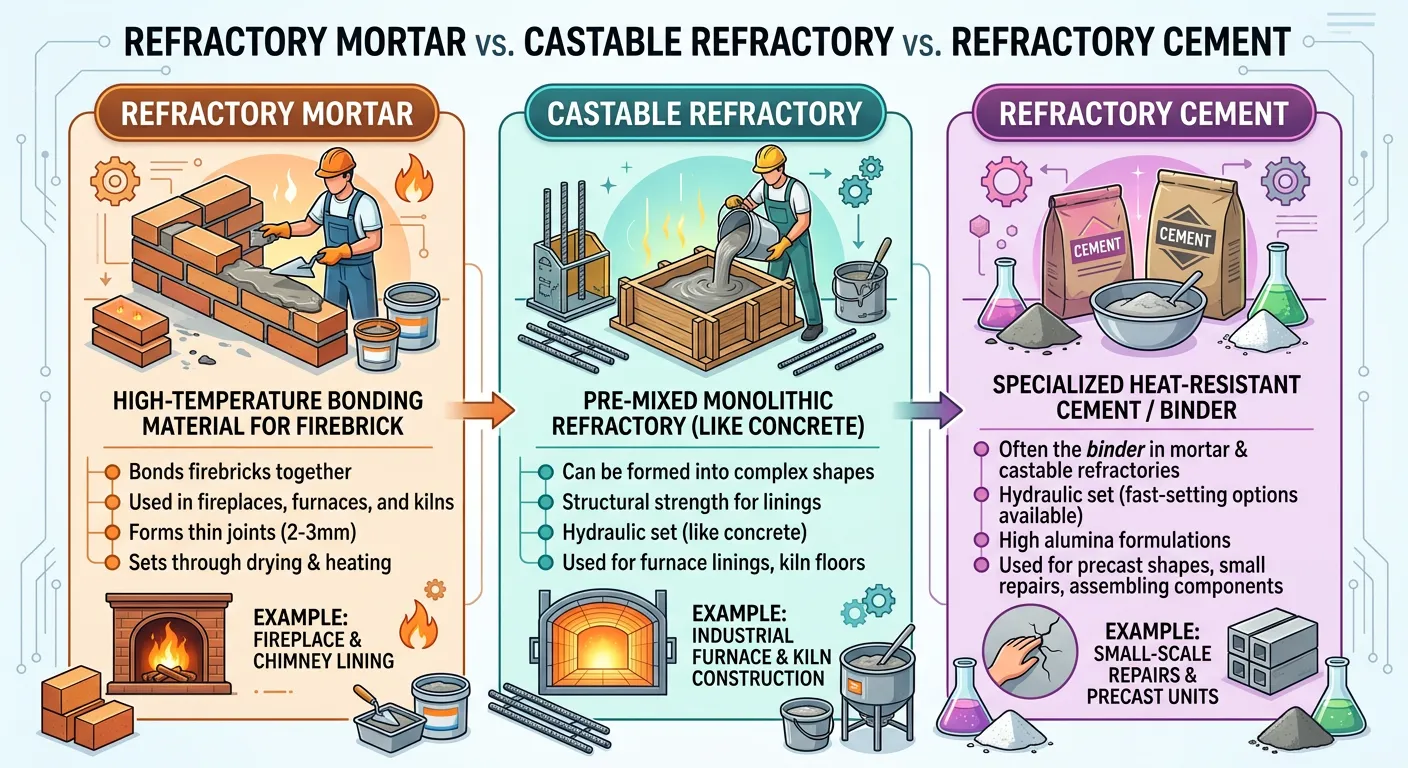
Огнеупорный раствор против литого огнеупора против огнеупорного цемента
Эти три термина вызывают значительную путаницу как в контексте закупок, так и в контексте применения на местах. Это родственные, но совершенно разные продукты с разными методами нанесения и эксплуатационными характеристиками.
Огнеупорный раствор
Огнеупорный раствор специально разработан для склеивания готовых огнеупорных блоков (кирпичей, плиток, форм) между собой в тонких швах. Слово “тонкие” является ключевым - огнеупорный раствор предназначен для нанесения в швы толщиной 2-6 мм. Размер частиц заполнителя контролируется специально, чтобы обеспечить равномерное нанесение при такой толщине шва без пустот и переплетения частиц. Раствор скрепляет блоки, но не образует монолитную структуру.
Литьевой огнеупор (огнеупорный бетон)
Заливаемый огнеупор - это бетоноподобный материал, который смешивается с водой и заливается или утрамбовывается для формирования монолитных огнеупорных форм - футеровок, каналов, блоков и сложных форм - без использования предварительно отформованных кирпичных блоков. Заливаемый заполнитель крупнее, чем заполнитель для раствора, и его состав предназначен для объемной заливки, а не для заполнения тонких швов. Получаемая структура монолитна, без швов (кроме границ отдельных отлитых секций). Литой огнеупор никогда не используется в качестве строительного раствора - его текучесть, размер заполнителя и содержание воды делают его непригодным для склеивания кирпича.
Огнеупорный цемент
“Термин ”огнеупорный цемент“ используется на разных рынках и в разных сообществах пользователей непоследовательно. В некоторых контекстах он относится именно к алюминатному кальциевому цементу - гидравлическому связующему, используемому как в гидравлических затвердевающих растворах, так и в литых огнеупорах. В других контекстах этот термин используется в свободном смысле для обозначения любого огнеупорного связующего продукта, включая то, что в более точном техническом смысле называется огнеупорным раствором. Такая двусмысленность создает путаницу при закупках, особенно на потребительском и строительном рынках, где продукты с маркировкой ”огнеупорный цемент" могут быть предварительно смешанными растворами, сырым цементным порошком на основе алюмината кальция или высокотемпературными пластырями.
Наша рекомендация в AdTech: При выборе материалов для промышленного применения всегда используйте технически точную терминологию - огнеупорный раствор (для соединения швов), огнеупорный литой материал (для монолитной заливки) или алюминатный цемент кальция (для конкретного гидравлического связующего). Для потребительских применений, таких как ремонт каминов, следует понимать, что продукты “огнеупорный цемент”, продающиеся в хозяйственных магазинах, обычно представляют собой предварительно смешанные огнеупорные растворы, готовые к непосредственному применению.
Сравнительная таблица
| Характеристика | Огнеупорный раствор | Литьевой огнеупор | Тугоплавкий цемент (CAC) |
|---|---|---|---|
| Основная функция | Скрепление предварительно отформованных кирпичей | Формируйте монолитные формы | Гидравлический связующий компонент |
| Метод нанесения | Шпатель, щетка, окунание | Налив, таран, пистолет | Смешивается с раствором или гипсом |
| Толщина нанесения | 2-6 мм швы | Толщина 50-300+ мм | N/A (это ингредиент) |
| Размер агрегата | Тонкий (<0,5 мм) | Крупные (до 25 мм) | Очень мелкий (цемент) |
| Конечная структура | Кирпичная сборка | Монолитный | Н/Д |
| Добавление воды | Низкий | Умеренный | За дизайн |
| Типичная прочность на сжатие | 3-15 МПа (обожженный) | 20-80 МПа (обожженный) | Н/Д |
Как выбрать правильный огнеупорный раствор для ваших целей
Процесс выбора предполагает одновременное соответствие пяти ключевым критериям. Отсутствие хотя бы одного из них приводит к преждевременному провалу.
Критерий 1: Температурный рейтинг
Выбирайте раствор с номинальной температурой непрерывной эксплуатации, которая превышает рабочую температуру вашего применения минимум на 100-150°C. Не выбирайте раствор, рассчитанный на температуру, точно соответствующую рабочей температуре - это не дает запаса прочности для горячих точек, погрешности измерения температуры или ненормальных условий эксплуатации.
Кроме того, учитывайте профиль термоциклирования. Частые и быстрые термические циклы создают больше усталостных напряжений в растворных швах, чем стабильная работа при высоких температурах. Растворы с более высокой устойчивостью к тепловому удару (обычно это высокоглиноземистые составы с меньшим содержанием кремнезема) предпочтительнее использовать в условиях цикличности, даже если пиковая температура не приближается к максимальной номинальной.
Критерий 2: Химическая совместимость
Подберите химический состав раствора в соответствии с химическим составом кирпича и условиями эксплуатации:
- Шамотный кирпич: Используйте растворы на основе шамотной глины или кремнеземно-глиноземистые растворы.
- Высокоглиноземистый кирпич: Используйте высокоглиноземистые строительные смеси с совместимым содержанием Al₂O₃.
- Кремнеземный кирпич: Используйте кремнеземистый раствор (>93% SiO₂) - никогда не используйте глиноземистый раствор с кремнеземистым кирпичом, так как дифференциальное тепловое расширение приведет к разрушению шва.
- Магнезиальный и магнезиально-хромовый кирпич: Используйте растворы на основе магнезии - кислые глиноземно-кремнеземистые растворы химически несовместимы.
- Кислотостойкая подкладка: Используйте фосфатные или другие кислотостойкие составы.
- Щелочная среда (стекольная промышленность): Используйте растворы с доказанной щелочестойкостью.
Критерий 3: Механизм установления
Выбирайте механизм настройки в зависимости от конструктивных и эксплуатационных требований:
- Требуется срочное укрепление конструкции (аварийный ремонт): Гидравлическая установка.
- Облицовка будет обстреляна сразу после окончания строительства: Термоуплотнение или воздухоуплотнение.
- Длительный период строительства до первого обжига: Воздушное застывание (сохраняет обрабатываемость и некоторую прочность зеленого цвета).
- Требуется высокая химическая чистота (полупроводники, контакт с пищевыми продуктами): Коллоидный кремнезем на связующем или термозатвердевающий без силиката натрия.
Критерий 4: Толщина шва и метод нанесения
Убедитесь, что размер заполнителя раствора соответствует предполагаемой толщине шва:
- Стыки 1-3 мм: Требуется очень тонкий раствор (все частицы <0,5 мм).
- Стыки 3-6 мм: Стандартный мелкозернистый раствор.
- Швы 6-12 мм: Растворы со средним содержанием частиц или тонкослойные смеси.
Критерий 5: Специфические требования к среде обслуживания
| Состояние обслуживания | Дополнительное требование | Рекомендуемые характеристики раствора |
|---|---|---|
| Уменьшение атмосферы | Стабильность без окисления | Избегайте органики, используйте углеродостойкие связующие вещества |
| Воздействие паров щелочи | Устойчивость к щелочам | Низкокремнистые, высокоглиноземистые или муллитовые |
| Воздействие кислотных газов | Кислотостойкость | На фосфатной основе или на основе кремнезема |
| Зона контакта с расплавленным металлом | Отсутствие металлореактивных соединений | Проверенная совместимость с конкретным металлом |
| Вакуум или контролируемая атмосфера | Без летучих связующих веществ | Только неорганические связующие системы |
| Контакт с пищевыми продуктами (печи для пиццы) | Безопасные для пищевых продуктов ингредиенты | Соответствующие требованиям FDA/EU составы для контакта с пищевыми продуктами |
| Наружное воздействие | Устойчивость к влаге | Гидравлическая заделка или герметизация после отверждения |
Лучшие практики смешивания, нанесения и оформления соединений
Готовая смесь против сухого раствора: Что использовать
Предварительно смешанные огнеупорные растворы поставляются в нужной консистенции для непосредственного нанесения - добавление воды не требуется. Они идеально подходят для небольших работ, ремонта и применения там, где нет возможности использовать смесительное оборудование. Компромиссом является ограниченный срок хранения после вскрытия (обычно 6-12 месяцев в герметичных контейнерах), чувствительность к замораживанию при хранении и несколько более высокая стоимость единицы продукции.
Сухие порошковые растворы требуют добавления воды на месте, перемешиваются до определенной консистенции в соответствии с инструкциями производителя. Они отличаются неограниченным сроком хранения в сухом виде, гибкостью в регулировании содержания воды для различных методов нанесения и более низкой стоимостью за единицу веса. Они требуют чистой емкости для смешивания и оборудования для смешивания.
Правильное перемешивание сухого раствора
Добавляйте воду в сухой порошок, а не порошок в воду, чтобы лучше контролировать конечную консистенцию. Добавляйте воду постепенно, в процессе смешивания, и выдержите 5 минут после добавления всей воды, чтобы оценить консистенцию. Правильная консистенция для нанесения кельмой напоминает арахисовое масло - достаточно жесткая, чтобы держать форму на кельме без провисания, но достаточно пластичная, чтобы плавно распределяться. Для окунания (смачивания кирпичных поверхностей в растворе перед укладкой) используется более жидкая консистенция.
Распространенная ошибка при смешивании: Добавление слишком большого количества воды для облегчения разравнивания. Переувлажненный раствор имеет меньшую плотность, большую усадку при высыхании, меньшую прочность и повышенный риск растрескивания. Если раствор слишком жесткий, чтобы его можно было легко распределить, проблема может заключаться в конструкции шва или температуре нанесения, а не в консистенции раствора.
Методы применения
Нанесение масла (шпателем): Раствор наносится на лицевую сторону кирпича с помощью кельмы перед укладкой кирпича на место. Это наиболее распространенный метод возведения стен. Для лучшего покрытия раствор следует наносить на обе поверхности шва (на уложенный кирпич и на кирпич, который укладывается).
Окунитесь в воду: Перед укладкой кирпич окунают в емкость с жидким раствором, чтобы покрыть скрепляемую лицевую поверхность. Это самый быстрый метод нанесения, обеспечивающий полное покрытие лицевой поверхности, но требующий более тонкой консистенции раствора и образующий больше отходов.
Затирка (заливная): Для швов, которые нельзя замазывать перед укладкой - особенно в арочных конструкциях, где кирпичи фиксируются шпонками, - раствор можно заливать в шов после укладки. Для этого требуется достаточно жидкий раствор и тщательная трамбовка, чтобы обеспечить отсутствие пустот в швах.
Применение насоса: В крупномасштабном строительстве печей используются растворонасосы для пневматической подачи раствора, что значительно повышает производительность. Раствор для нанесения насосом должен обладать особыми характеристиками текучести, позволяющими перекачивать его без расслоения.
Рекомендации по толщине шва
Более тонкие соединения, как правило, лучше использовать в высокотемпературных условиях:
- Оптимальная толщина шва: 2-3 мм для большинства высокотемпературных применений.
- Рекомендуемый максимум: 6 мм для стандартных условий эксплуатации; 3 мм для высоких и сверхвысоких условий эксплуатации.
- Минимальный практический: 1,5 мм (при меньшей толщине существует риск неравномерного покрытия и образования пустот).
Более толстые швы создают тепловые разрывы между кирпичом и раствором, концентрируют дифференциальные напряжения расширения и дают больше материала с потенциально отличным от кирпича поведением при расширении. На практике швы толщиной 3 мм могут быть выполнены квалифицированными каменщиками с ровными кирпичными поверхностями и правильно замешанным раствором.
Подготовка кирпича
Чистые кирпичные поверхности необходимы для хорошего сцепления раствора. Перед нанесением раствора удалите с лицевых поверхностей кирпича пыль, окалину и любые загрязнения. Сухой кирпич перед нанесением раствора следует слегка увлажнить - абсолютно сухой кирпич быстро впитает воду из раствора, снижая его обрабатываемость и потенциально нарушая адгезию. И наоборот, мокрый кирпич разбавляет раствор и снижает прочность сцепления.
Процедуры отверждения, сушки и первого разогрева
Именно на этой стадии процесса установки огнеупора происходит большинство преждевременных отказов. Мы наблюдали случаи, когда первоклассный огнеупорный кирпич и правильно подобранный раствор разрушались при первом нагреве из-за неадекватного графика сушки и отверждения.
Почему контролируемый нагрев имеет решающее значение
Огнеупорный раствор обычно содержит 10-25% воды по весу в свеженанесенном состоянии. Эта вода существует в трех формах:
- Бесплатная вода: Механически удерживается в порах, испаряется при температуре ниже 100°C.
- Поглощенная вода: Адсорбируется на поверхности частиц, высвобождается при 100-200°C.
- Химически смешанная вода (для гидравлически застывающих растворов): Часть гидратированных фаз связующего, высвобождающихся при 200-400°C.
Если облицовка из свежего раствора нагревается слишком быстро, вода превращается в пар, не успевая вытечь из шва. Давление пара нарастает внутри шва, превышая прочность на растяжение частично затвердевшего раствора и вызывая взрывное растрескивание - явление, называемое паровым отколом. Один нагрев, вызвавший скол пара, может разрушить всю свежую облицовку, на строительство которой ушли недели.
Стандартный график сушки и первого разогрева
Этап 1: сушка в помещении: После завершения строительства дайте облицовке высохнуть на воздухе в течение как минимум 24-48 часов, прежде чем подавать тепло. В этот период максимально обеспечьте вентиляцию через конструкцию печи.
Этап 2: низкотемпературная сушка (от температуры окружающей среды до 150°C): Медленно нагревайте печь с максимальной скоростью 25-50°C в час примерно до 150°C. Выдержите при 150°C в течение минимум 2 часов на 25 мм толщины футеровки, чтобы обеспечить полное испарение свободной воды. Для толстых футеровок (>300 мм) пропорционально увеличьте время выдержки.
Фаза 3: Промежуточная сушка (от 150°C до 300°C): Продолжайте нагрев при 25-50°C в час в диапазоне химически комбинированного водоотделения. Выдержите при температуре 300°C в течение 1-2 часов для обеспечения полного обезвоживания гидравлических связующих фаз (если они присутствуют).
Фаза 4: Рампирование до рабочей температуры: При температуре выше 300°C основной риск выделения пара уже миновал. Скорость нагрева может быть увеличена до 50-100°C в час с выдержкой при основных температурах фазового перехода, если это предусмотрено производителем огнеупоров.
Справочная таблица расписания первого разогрева
| Толщина подкладки | Фаза 1 (сухая окружающая среда) | Фаза 2 Выдержите при 150°C | Фаза 3 Выдержка при 300°C | Максимальная скорость нарастания |
|---|---|---|---|---|
| <100 мм | 24 часа | 2 часа | 1 час | 50°C/час |
| 100-250 мм | 48 часов | 4 часа | 2 часа | 25-50°C/час |
| 250-500 мм | 72 часа | 8 часов | 4 часа | 25°C/час |
| >500 мм | 96+ часов | 12+ часов | 6+ часов | 15-25°C/час |
Распространенные виды отказов и способы их предотвращения
Способ разрушения 1: Растрескивание шва при первом нагреве
Причина: Слишком быстрый нагрев до удаления свободной воды. Давление пара превышает прочность соединения.
Профилактика: Следуйте приведенному выше графику контролируемого разогрева. Никогда не пытайтесь запустить печь со свежей закладкой без предварительной сушки.
Способ разрушения 2: Эрозия шва под действием потока газа
Причина: Горячие газы печи разъедают мягкий или не полностью спекшийся раствор с открытых поверхностей швов. Обычно это происходит в швах, обращенных к зонам высокоскоростного горения.
Профилактика: В зонах с высокой скоростью движения используйте более плотные и высокопрочные растворные составы. Обеспечьте полное заполнение швов без пустот. Защищайте свежие швы от прямого попадания газа во время начального разогрева.
Режим отказа 3: Химическая атака
Причина: Химический состав раствора, несовместимый с атмосферой печи или технологическими материалами. Примеры: раствор на основе кремнезема в высокощелочной атмосфере (стекольная промышленность), кислотный раствор с основным кирпичом, фосфатный раствор в зоне контакта с алюминиевыми металлами.
Профилактика: Убедитесь в химической совместимости раствора, кирпича и условий эксплуатации перед составлением спецификации. Обратитесь к данным производителя раствора по химической стойкости.
Способ разрушения 4: Растрескивание при дифференциальном тепловом расширении
Причина: Несоответствие коэффициентов теплового расширения раствора и кирпича вызывает растягивающие напряжения, которые растрескивают швы при охлаждении. Особенно часто встречается при сочетании несочетаемых типов раствора и кирпича.
Профилактика: Подбирайте химический состав раствора в соответствии с химическим составом кирпича. Избегайте использования шамотного раствора с высокоглиноземистым кирпичом или кремнеземистого раствора с шамотным кирпичом в условиях высокой интенсивности эксплуатации.
Способ разрушения 5: Образование пустот и неполное заполнение швов
Причина: Раствор нанесен слишком сухо, шов слишком тонкий для размера частиц заполнителя, или недостаточно раствора нанесено на торцы. Пустоты обеспечивают утечку горячих газов и локальный перегрев.
Профилактика: Перед нанесением проверьте правильность консистенции раствора. Проверьте заполнение швов, простукивая готовые швы - пустоты создают полый звук. Нанесите на обе сопрягаемые поверхности каждого шва.
Обзор рынка и разработка новых продуктов в 2026 году
Размер рынка и факторы роста
Мировой рынок огнеупорных растворов представляет собой значительный сегмент более широкой индустрии огнеупорных изделий, который в 2023 году оценивался примерно в 25-28 миллиардов долларов США по всему миру. По оценкам, огнеупорные растворы составляют 3-5% от общей стоимости, причем спрос на них тесно связан с общим потреблением огнеупорного кирпича в сталелитейной, стекольной, алюминиевой и энергетической промышленности.
Основными факторами спроса в 2026 году являются продолжающееся расширение сталелитейных мощностей в Азии, особенно в Индии и Юго-Восточной Азии; рост мощностей по производству стекла, обусловленный спросом на солнечные панели (требующий больших объемов огнеупорных плавильных печей); а также программы декарбонизации промышленности, требующие повышения энергоэффективности существующей печной инфраструктуры.
Заметные тенденции в производстве продуктов
Улучшенная прочность низкотемпературного сцепления для термозатвердевающих строительных смесей: Традиционные термоуплотняющиеся растворы имеют очень низкую прочность до обжига, что создает хрупкость при работе с ними во время и после строительства. Новые составы с небольшими добавками гидравлических вяжущих обеспечивают достаточную прочность зеленого цвета для практического строительства, сохраняя при этом преимущества химической чистоты, присущие термоуплотняющемуся механизму склеивания.
Бесфосфатные высокоглиноземистые растворы: Следуя той же тенденции, что и бесфосфатные фильтры из вспененной керамики (о них мы рассказываем отдельно в нашей библиотеке AdTech), высокоглиноземистые растворы с использованием коллоидного глинозема или других бесфосфатных связующих систем находят все большее применение в строительстве печей для алюминиевой промышленности, где обычные растворы на фосфатной связке создают риск загрязнения фосфором металлических изделий.
Готовые к применению готовые смеси для рынков ТОиР: Рынок технического обслуживания, ремонта и капитального ремонта (ТОиР) - включая ремонт каминов, заделку небольших печей и аварийный ремонт - стимулирует спрос на предварительно смешанные огнеупорные растворы в небольших упаковках, которые удобны для квалифицированных рабочих и бригад по обслуживанию объектов без специальных знаний по огнеупорам.
Препараты с увеличенным открытым временем: Традиционные огнеупорные растворы имеют ограниченное время работы после смешивания, что создает проблемы с производительностью при крупномасштабном строительстве. Новые составы с использованием пакетов замедлителей увеличивают открытое время с 2-4 часов до 6-8 часов, что позволяет получать более крупные партии смеси и сократить количество отходов на крупных строительных объектах.
Часто задаваемые вопросы об огнеупорном растворе
1: Можно ли использовать в камине обычный раствор вместо огнеупорного?
Нет. Стандартный портландцементный раствор начинает разрушаться при температуре выше 300°C (572°F) и претерпевает необратимые деструктивные фазовые изменения при температуре выше 600°C. Во время обычного дровяного пожара температура в топке камина достигает 700-900°C на горячем торце. Стандартный раствор, используемый в топке, быстро разрушается - как правило, в течение нескольких первых пожаров, - что приводит к разрушению швов, расшатыванию кирпичей и потенциальной опасности пожара из-за выхода горячего газа через разрушенные швы. В каминах и любых других высокотемпературных конструкциях следует использовать только раствор, специально рассчитанный на рабочую температуру. Это в равной степени относится и к ремонту - никогда не используйте обычный раствор для заделки каминных швов.
2: Какую максимальную температуру может выдержать огнеупорный раствор?
Максимальная температура полностью зависит от конкретной марки продукта. Низкопрочные шамотные растворы рассчитаны примерно на 1260°C (2300°F). Продукты средней прочности выдерживают до 1480°C (2700°F). Высокопрочные глиноземистые растворы достигают 1600°C (2912°F). Сверхпрочные и специальные марки, включая муллитовые, высокоглиноземистые и магнезиальные растворы, могут работать при температуре выше 1700°C (3092°F), а некоторые специальные составы - при температуре 1800°C (3272°F) и выше. Номинальная температура, указанная в спецификации продукта, отражает температуру, при которой раствор сохраняет достаточную прочность сцепления и стабильность объема для дальнейшей эксплуатации, а не просто температуру, при которой он плавится.
3: В чем разница между огнеупорным раствором, схватывающимся на воздухе, и огнеупорным раствором, схватывающимся при нагревании?
Воздушно-твердеющий огнеупорный раствор набирает первичную прочность за счет химических реакций, происходящих при температуре окружающей среды - чаще всего за счет реакции силикатно-натриевого связующего с атмосферным CO₂ и высыхания. Раствор достигает прочности в течение нескольких часов после нанесения без какого-либо нагрева. Термоуплотняющий раствор, напротив, развивает свою структурную прочность только при нагревании во время первого обжига облицовки. При комнатной температуре термоусадочный раствор работает в основном как скользящее вещество, удерживающее кирпичи в нужном положении во время строительства и не обеспечивающее структурной связи. После обжига термоусадочный раствор обеспечивает истинное керамическое сцепление, которое зачастую прочнее и химически чище, чем сцепление на основе силиката натрия, затвердевшего на воздухе. Выбор между ними зависит от того, когда будет производиться обжиг облицовки относительно завершения строительства и можно ли произвести обжиг сразу после окончания строительства.
4: Какой толщины должны быть швы огнеупорного раствора?
Для большинства высокотемпературных применений целевая толщина швов составляет 2-3 мм. Более тонкие швы минимизируют разницу температур и теплового расширения между кирпичом и раствором, снижая напряжение на стыке швов. Толщина шва не должна превышать 6 мм для стандартных условий эксплуатации и 3 мм для высоких и сверхвысоких условий эксплуатации. Швы толще этих пределов создают тепловые разрывы, которые приводят к образованию трещин при термоциклировании. Для получения швов толщиной 2-3 мм требуется правильно замешанный раствор (не слишком жесткий и не слишком жидкий), плоские грани кирпича в пределах допуска и квалифицированная техника каменщика. На практике швы толщиной более 6 мм свидетельствуют либо о проблемах с качеством строительства, либо о необходимости применения другого подхода к строительству (заделки или заливки вместо раствора).
5: Сколько времени требуется огнеупорному раствору, чтобы затвердеть, прежде чем можно будет обжигать печь?
Минимальное время затвердевания и высыхания зависит от типа раствора и толщины облицовки. Для растворов, схватывающихся на воздухе, рекомендуется минимум 24 часа сушки на воздухе перед применением тепла, а для толстых облицовок предпочтительнее 48 часов. Для растворов гидравлического схватывания требуется не менее 8 часов после окончания работ до начала нагрева, хотя 24 часа обеспечивают лучшую гидратацию алюминатно-кальциевого цементного вяжущего. Растворы с тепловым затвердеванием не требуют значительного затвердевания в окружающей среде и могут переходить к контролируемому нагреву сразу после завершения строительства, хотя все же рекомендуется сушка в окружающей среде в течение 24 часов для удаления избыточной поверхностной влаги перед нагревом. Независимо от типа раствора, график контролируемого нагрева (с выдержкой при 150°C и 300°C) является обязательным для предотвращения отслаивания пара.
6: Можно ли использовать огнеупорный раствор для ремонта трещин в существующей футеровке печи?
Да, огнеупорный раствор является одним из основных материалов для ремонта трещин и швов печи. Для успешного ремонта существующий раствор должен быть полностью удален из трещины или шва на глубину не менее 20 мм (для обеспечения структурной целостности предпочтительно 50 мм). Поверхность шва должна быть очищена, чтобы удалить рыхлый материал, пыль и загрязнения. Заменяющий раствор должен быть той же спецификации, что и оригинальный - использование другой марки или химического состава может привести к несоответствию ремонта, который выйдет из строя быстрее, чем окружающая облицовка. После плотной укладки ремонтного раствора в очищенный шов следуйте графику контролируемого нагрева, прежде чем выводить печь на полную рабочую температуру. Для трещин шириной более 10 мм может подойти не стандартный ремонтный раствор, а литой или пластиковый огнеупор.
7: Является ли огнеупорный раствор тем же самым, что и печной цемент, продающийся в хозяйственных магазинах?
Это родственные, но не всегда идентичные продукты. “Печной цемент” - это маркетинговый термин, используемый потребительскими брендами для обозначения высокотемпературных составов для склеивания и заделки, продаваемых в хозяйственных магазинах и магазинах товаров для дома. Эти продукты, как правило, представляют собой предварительно смешанные огнеупорные растворы, предназначенные для самостоятельного применения - обычно это продукты с низкой или средней нагрузкой (рассчитанные примерно на 1260-1480°C) в удобной небольшой упаковке с консистенцией, оптимизированной для нанесения шпателем неспециалистами. Промышленные огнеупорные растворы поставляются в гораздо более широком диапазоне классов прочности, химических составов и размеров упаковки, с проверенными данными испытаний и сертификатами, которые обычно не предоставляются для потребительских продуктов “печного цемента”. Для бытовых каминов и дровяных печей, как правило, подходят потребительские печные цементы. Для строительства и ремонта промышленных печей следует использовать промышленные огнеупорные растворы с документально подтвержденными характеристиками.
8: Хорошо ли сцепляется огнеупорный раствор со всеми видами огнеупорного кирпича?
Адгезия огнеупорного раствора зависит от химической совместимости между раствором и химическим составом поверхности кирпича. Шамотные растворы хорошо сцепляются с шамотным и стандартным глиноземисто-кремнеземистым кирпичом. Высокоглиноземистые растворы эффективно сцепляются с высокоглиноземистыми кирпичами. Критические несовместимости, которых следует избегать: кремнеземистый раствор с высокоглиноземистым кирпичом (сильное несоответствие дифференциального расширения), глиноземистый раствор с магнезиальным кирпичом (кислотно-основная химическая реакция на границе раздела) и фосфатные растворы с магнезиальным или хром-магнезиальным кирпичом (фосфат неблагоприятно реагирует с магнезией при температуре). Кроме того, для некоторых специальных видов кирпича (карбид кремния, графитосодержащий или углеродистый кирпич) требуются специальные растворы, специально разработанные для этих материалов. Всегда проверяйте совместимость раствора и кирпича, прежде чем указывать комбинации, которые не являются стандартными.
9: Можно ли использовать огнеупорный раствор в печи для пиццы или барбекю?
Да, и низкопробный огнеупорный раствор вполне подходит для строительства печей для пиццы и костров для приготовления пищи на открытом воздухе. Температура в дровяных печах для пиццы обычно достигает 400-500°C в очаге и до 600°C в куполе. Этот температурный диапазон вполне соответствует возможностям стандартного низкопробного огнеупорного раствора, рассчитанного на 1100-1260°C, что обеспечивает значительный запас прочности. Для печей для пиццы убедитесь, что раствор безопасен для пищевых продуктов - некоторые промышленные огнеупорные растворы содержат химические добавки, которые приемлемы в промышленных условиях, но не подходят для использования вблизи пищевых продуктов. Многие поставщики предлагают безопасные для пищевых продуктов огнеупорные растворы, специально предназначенные для строительства печей для пиццы, хлеба и барбекю. Эти продукты сертифицированы на отсутствие тяжелых металлов и других потенциально вредных соединений, которые могут улетучиваться при температуре приготовления пищи.
10: На какие сертификаты следует обратить внимание при покупке огнеупорного раствора для промышленного применения?
При закупке промышленных огнеупорных растворов необходимо предоставить следующую документацию: Сертификация системы менеджмента качества ISO 9001 на предприятии-изготовителе; паспорт продукта с подтвержденным температурным режимом (PCE или °C/°F), химическим составом (SiO₂, Al₂O₃ и основные оксиды) и физическими свойствами (прочность при холодном раздавливании, модуль разрыва, линейное изменение при температуре); протоколы испытаний из аккредитованной лаборатории, подтверждающие соответствие заявленным характеристикам; паспорт безопасности (SDS/MSDS), соответствующий требованиям GHS; а для закупок в ЕС - декларация соответствия REACH. Для специализированных применений дополнительные требования могут включать: подтверждение соответствия требованиям безопасности пищевых продуктов для оборудования пищевой промышленности (FDA 21 CFR или правила ЕС для материалов, контактирующих с пищевыми продуктами), подтверждение отсутствия фосфора для применения в алюминиевой промышленности, а также данные испытаний на химическую стойкость для конкретных условий эксплуатации (серная, щелочная, кислотная атмосферы). AdTech предоставляет полный пакет документации ко всем коммерческим заказам наших огнеупорных систем.
Реферат: Получение правильной спецификации огнеупорного раствора с первого раза
Огнеупорный раствор - один из тех материалов, где последствия ошибок в спецификации непропорционально велики по сравнению со стоимостью продукта в общем бюджете строительства. Раствор в футеровке крупной промышленной печи составляет, возможно, 2-5% от общей стоимости огнеупора, однако ошибка в спецификации раствора может привести к разрушению швов, что уничтожит все инвестиции в кирпич и труд монтажников.
Основные принципы, позволяющие избежать этих ошибок, таковы: соответствие рабочей марки раствора фактической рабочей температуре с достаточным запасом; соответствие химического состава раствора типу кирпича и условиям эксплуатации; выбор механизма схватывания в соответствии с требованиями к срокам строительства и эксплуатации; правильное нанесение раствора в нужной консистенции и толщине шва; соблюдение контролируемого графика разогрева без сокращений.
Эти принципы применимы независимо от того, ремонтируете ли вы камин в жилом доме с помощью банки печного цемента из хозяйственного магазина или выбираете сверхпрочный бесфосфатный высокоглиноземистый раствор для печи для обжига алюминия с температурой 1600°C. Физика теплового расширения, отслаивания пара и химической совместимости одинакова в любом масштабе.
В AdTech наша команда инженеров по огнеупорным изделиям помогает клиентам подобрать спецификации растворов в соответствии с конкретными типами кирпича, рабочими температурами и химическими средами процесса. Мы считаем, что технически правильные решения по спецификациям, принятые на начальном этапе проекта, приводят к созданию футеровочных систем, которые надежно работают в течение всего срока службы, что в конечном итоге лучше для всех участников цепочки поставок.
Чтобы получить помощь в составлении спецификаций, технических паспортов или запросить образцы огнеупорных растворов, свяжитесь с группой технической поддержки AdTech, предоставив информацию о вашем применении.