

In the realm of metal casting, molten metal filtration plays a pivotal role in improving the quality of the final product. The process involves removing impurities from molten metals, such as aluminum, to ensure that the cast metal meets high-quality standards. This is crucial in industries like automotive, aerospace, and electronics, where precision and material integrity are of utmost importance. Implementing a robust filtration system results in enhanced metal properties, reduced defects in castings, and increased production efficiency.
The Importance of Molten Metal Filtration
Filtration in molten metal processing is a key step in ensuring the quality and performance of metal castings. Impurities, such as oxides, inclusions, and gases, can degrade the properties of the metal, leading to defects like porosity, cracks, and weak spots. By effectively filtering out these contaminants, the final product exhibits better mechanical properties, longer lifespan, and enhanced overall performance.
Key Benefits of Molten Metal Filtration
- Improved Metal Quality: The primary advantage of molten metal filtration is the removal of harmful impurities. This improves the metal’s purity and ensures that the final casting is free from defects.
- Reduced Cast Defects: Filtration helps in eliminating inclusions, gas bubbles, and other defects that can compromise the structural integrity of the cast product. This leads to fewer rejections and a higher yield.
- Enhanced Performance: With fewer impurities, the molten metal exhibits improved mechanical properties, such as strength, ductility, and resistance to wear and corrosion.
- Increased Production Efficiency: A cleaner molten metal stream can reduce the wear and tear on molds, increase the longevity of equipment, and improve overall casting performance.

Mechanisms of Particle Capture
Understanding how a filter works requires looking at the physics occurring inside the filter matrix. Three distinct mechanisms operate simultaneously during the pour.
-
Screening: This is the most basic form. Particles larger than the pore openings on the filter face are physically blocked. They form a “filter cake” on the surface.
-
Deep Bed Filtration: Smaller particles enter the filter’s internal structure. The tortuous path (a complex, twisting network of channels) forces the molten metal to change direction rapidly. Heavy inclusions impact the ceramic walls and stick to them due to surface tension.
-
Chemical Adhesion: High-quality filters, such as those manufactured by ADtech, utilize specific ceramic formulations that attract oxide films. The chemical affinity between the filter material and the inclusion ensures that even microscopic impurities remain trapped within the filter body.
Types of Molten Metal Filtration Systems
Various filtration technologies are employed to purify molten metal, each offering unique advantages depending on the specific requirements of the metal casting process. The most common types include:
1. Ceramic Foam Filters
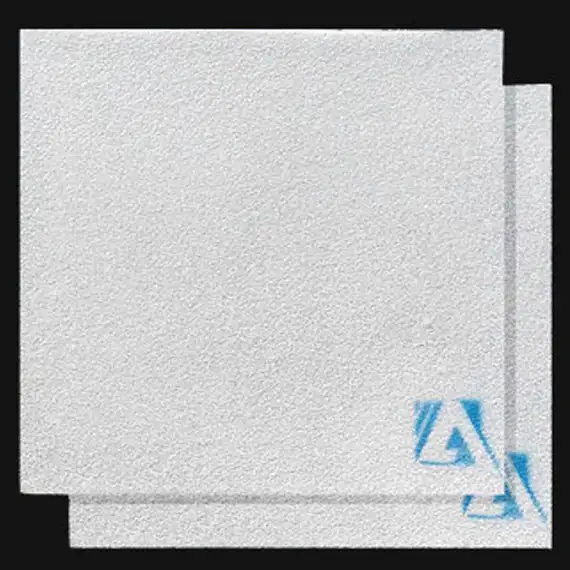
Ceramic foam filters are widely used in the filtration of molten metals like aluminum. These filters are made from advanced ceramics and offer excellent resistance to high temperatures, chemical reactions, and thermal shock. Their open-cell structure allows molten metal to flow through while trapping impurities.
2. Graphite Filters
Graphite filters are another option, particularly for casting metals like steel and iron. Graphite’s high-temperature resistance and ability to withstand corrosive environments make it a reliable choice for certain molten metals.
3. Metal Filters
Metal filters are typically used for specific alloys or metals that require high durability and precision. They are made from stainless steel or other specialized metals and offer exceptional filtration efficiency in high-flow applications.
4. Polymer Filters
Polymer filters are gaining popularity in the industry for their ease of use and effectiveness in removing fine particles from molten metal. These filters are often used for light alloys and non-ferrous metals.
Comparative Data: Filter Capabilities
Engineers need precise data to make informed decisions. The following table outlines the operational parameters for the most common filtration materials provided by ADtech.
Table 1: Filtration Material Performance Specifications
| Filter Material | Main Application | Max Temperature | Thermal Shock Resistance | Filtration Efficiency (10-20 microns) |
| Silicon Carbide (SiC) | Iron, Copper Alloys | 1500°C | Excellent | High |
| Zirconia (ZrO2) | Carbon Steel, Stainless Steel | 1700°C | Good | Very High |
| Alumina (Al2O3) | Aluminum Alloys | 1200°C | Good | Medium |
| Extruded Mullite | Iron, Steel | 1650°C | Moderate | Low |
| Fiberglass Mesh | Aluminum | 850°C | Low | Low |
Optimizing Pore Size (PPI) for Yield
Pores Per Inch (PPI) measures the density of the filter. A higher PPI number indicates smaller pores and finer filtration. However, going too fine restricts flow. This can cause misruns where the metal freezes before filling the mold.
-
10 PPI: Used for large iron castings or when flow rate is critical. It removes coarse slag.
-
20 PPI: The standard for general automotive iron casting. It balances flow rate with filtration efficiency.
-
30-40 PPI: Required for aluminum automotive parts like cylinder heads where inclusions could cause leaks during pressure testing.
-
50-60 PPI: Used in ultra-critical aerospace applications or high-purity master alloys.
Ceramic Filters for Molten Metal Filtration
Ceramic filters, such as the ADtech Ceramic Foam Filters, have proven to be particularly effective in the filtration of molten aluminum. These filters work by physically blocking contaminants while allowing the metal to pass through. The key advantages of ceramic filters include:
- High Temperature Resistance: Ceramic filters can withstand extreme temperatures without degrading, making them ideal for high-temperature applications like aluminum casting.
- Excellent Filtration Efficiency: The unique porous structure of ceramic filters captures even the finest particles, ensuring a high level of purity in the molten metal.
- Chemical Stability: Ceramic filters do not react with the molten metal, preventing contamination and maintaining the integrity of the metal.
Case Study: ADtech Ceramic Foam Filters in Iran
A notable success story comes from a customer in Iran who implemented ADtech’s ceramic foam filters in their aluminum casting operations. By using these high-performance filters, the company was able to:
- Significantly reduce the amount of slag and inclusions in their aluminum castings.
- Improve the overall quality of the metal, resulting in fewer defects and rejections.
- Enhance production efficiency by reducing downtime and improving mold lifespan.

Factors to Consider When Choosing a Molten Metal Filtration System
When selecting a molten metal filtration system, it’s essential to consider several factors that influence the performance and efficiency of the system. These include:
1. Metal Type
Different metals and alloys have varying filtration requirements. For example, aluminum, steel, and iron each have distinct characteristics that need to be addressed through tailored filtration solutions.
2. Temperature and Flow Rate
Filtration systems need to withstand the high temperatures of molten metal and the flow rates involved in the casting process. The material of the filter must be able to handle the heat without losing structural integrity.
3. Size and Shape of the Inclusions
The size and type of inclusions to be removed will determine the porosity and size of the filter’s pores. Fine inclusions may require more advanced filtration solutions with smaller pore sizes.
4. Cost-Effectiveness
While high-quality filtration systems offer significant benefits, they must also align with the company’s budget and operational goals. A balance between cost and performance is crucial.
5. Maintenance and Durability
The longevity of the filtration system is another essential consideration. Systems that require frequent replacement or maintenance can increase operational costs and downtime.
Molten Metal Filtration FAQs
1. What is molten metal filtration?
Molten metal filtration is the process of removing impurities, such as oxides, gas bubbles, and inclusions, from molten metal to improve the quality and properties of the final casting.
2. What materials are used for molten metal filtration?
Common materials include ceramic foam, graphite, metal, and polymer filters. Ceramic foam filters are particularly effective for metals like aluminum.
3. How does ceramic foam filtration work?
Ceramic foam filters work by physically trapping impurities as molten metal flows through the filter’s open-cell structure, resulting in cleaner metal.
4. What is the main benefit of using ceramic filters in molten metal filtration?
Ceramic filters provide high-temperature resistance, excellent filtration efficiency, and chemical stability, making them ideal for metals like aluminum.
5. Can molten metal filtration reduce defects in castings?
Yes, effective filtration significantly reduces defects such as porosity, cracks, and weak spots by removing impurities that could compromise the material’s integrity.
6. What factors affect the efficiency of molten metal filtration?
Factors include the type of metal, the size of the impurities, the temperature, and the flow rate of the molten metal.
7. How often should filtration systems be replaced or cleaned?
The frequency of replacement or cleaning depends on the type of filter used and the specific casting process. Ceramic filters typically have a longer lifespan than other materials.
8. Are there environmental benefits to using molten metal filtration?
Yes, by improving the quality of the metal, filtration systems help reduce waste, energy consumption, and the need for reprocessing, contributing to more sustainable operations.
9. Can molten metal filtration be used for all metals?
While molten metal filtration can be used for a variety of metals, the choice of filtration system may vary depending on the specific metal being processed.
10. What is the role of temperature in molten metal filtration?
The temperature of the molten metal affects the filtration process. Filtration systems must be designed to withstand high temperatures without degrading or losing effectiveness.
Conclusion
Molten metal filtration is a vital process that enhances the quality, efficiency, and performance of metal castings. By removing impurities, it ensures that the final product meets the highest standards of quality, which is critical in industries such as aerospace, automotive, and electronics. Advanced filtration technologies, such as ceramic foam filters, have revolutionized the industry by providing more efficient and durable solutions. As companies strive to improve production quality and reduce defects, investing in reliable molten metal filtration systems proves to be a wise and cost-effective choice.