

For consistently high-quality aluminum castings, prioritize precise melt temperature control, rigorous cleanliness and hydrogen removal, correct alloy handling, and matched furnace and transfer equipment. A disciplined melting routine that includes degassing, fluxing, filtration, temperature profiling, and safe handling produces repeatable castings with low porosity, reliable mechanical properties, and predictable microstructure.
Quick definitions and core physics
-
Melting point: Pure aluminum melts at 660.32°C (1220.58°F). Alloy systems have melting ranges rather than a single sharp temperature; many casting alloys solidify over tens of degrees Celsius.
-
Solubility of hydrogen: Molten aluminum dissolves hydrogen; on solidification that hydrogen can form pores and shrinkage defects. Removing dissolved hydrogen is essential for sound castings.
-
Oxide film and inclusions: Aluminum forms a tenacious oxide (alumina) that floats on the melt surface and can entrap impurities and gas. Proper skimming, fluxing, and filtration reduce oxide-related defects.
Why molten metal quality matters to castings
The condition of the molten aluminum at the moment it is poured is the single biggest determinant of casting quality. Variables that affect final casting performance include hydrogen level, inclusion content, alloy composition accuracy, superheat at pour, and thermal uniformity. Poor melt quality leads to porosity, cold shuts, surface defects, and mechanical property scatter. Investing in melt treatment reduces scrap, machining allowance, and customer returns.
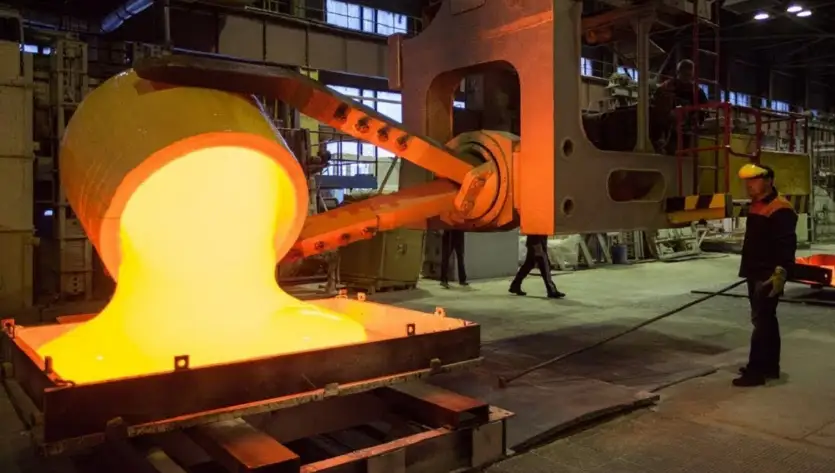
Overview of common aluminum alloys used for casting
Foundries commonly use the following casting alloy families:
-
Al-Si (silicon) alloys: e.g., A356, A319—good castability and mechanical balance.
-
Al-Si-Mg: heat-treatable alloys such as A356-T6 after solution and aging.
-
Al-Cu: higher strength, used when mechanical properties are primary.
-
High-silicon and specialized alloys for wear or elevated temperature.
Alloy selection influences melt temperature range, required melt treatment, and recommended pouring temperatures. Alloy datasheets and standard specifications should guide target composition and acceptable tolerances.
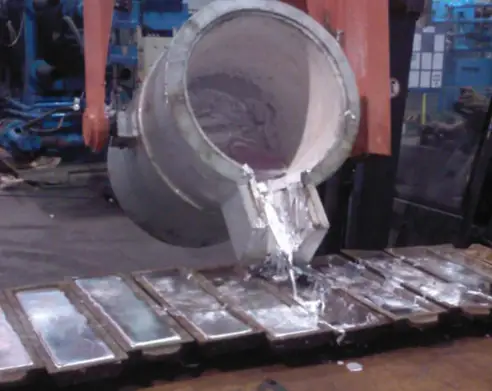
Melting fundamentals: temperature, heat input, and timing
Key temperature concepts
-
Liquidus and solidus: Alloys have a liquidus (where last solid melts) and a solidus (where first solid forms). Working above the liquidus ensures a fully liquid pool; typical production practice targets modest superheat above liquidus to ensure fluidity for filling but not so high that gas pickup or excessive oxidation increases.
-
Pouring temperature: Depends on alloy and casting method. Typical ranges: 610°C to 730°C depending on alloy and casting method. Table below provides recommended ranges (industry typical).
Heat input and melt time
-
Induction furnaces, reverberatory furnaces, crucible furnaces and gas-fired units each have characteristic melting rates and energy efficiencies. Induction furnaces commonly provide fast, clean melts with good control. Typical induction melting cycles are engineered to minimize time at high superheat to limit oxidation and hydrogen pickup.
Furnaces and melting equipment: comparison and selection
Choosing the right melting and holding equipment depends on scale, alloy mix, energy cost, required melt cleanliness, and environmental regulations. Below is a practical comparison.
Major types
-
Induction furnace: electromagnetic heating; high energy efficiency, tight temperature control, low emissions inside furnace, easily automated. Suitable for most aluminum production up to large tonnage with the correct power class.
-
Reverberatory furnace: common in large foundries for melting and holding. Good charging flexibility but can have higher oxidation and dross when compared with induction.
-
Crucible furnace (gas or electric): smaller scale; simple to operate; used in shops and for specialty melts. Gas-fired crucible furnaces can offer high melting rates when designed with proper exhaust and charging.
-
Vacuum induction melting (VIM): used when extremely clean metal or controlled gas content is required. Rare in commodity casting but essential for aerospace and critical applications.
(See the furnace comparison table later in this article for a side-by-side summary.)
Accessories that matter
-
Molten metal transfer systems: ladles, tilting furnaces, and tundish systems with insulation and controlled pouring gates reduce heat loss and reoxidation.
-
Online purification units: inline degassers and ceramic filters mounted between furnace and mold can remove hydrogen and non-metallics immediately before pouring. Systems like LARS and online rotary degassers are standard in higher-quality operations.
Melt preparation: charge planning, alloying practice, and scrap handling
Careful charge planning reduces remelt cycles, minimizes contamination and ensures target composition.
-
Charge sequencing: start with low-melting components, add master alloys for precise chemistry, minimize high-melting point contaminants. Melting practice should favor adding alloying elements in quantities and order that prevent localized overheating and excessive oxidation. Practical shop rules include preheating scrap to remove moisture and organics, segregating painted or coated materials, and tracking source chemistry.
-
Alloy verification: use spectrometer sampling for batches to ensure composition falls within specification before casting critical parts. Maintain traceability of batches.
-
Dross management: skim dross frequently. Dross contains oxides, intermetallics, and trapped entrained air and degrades melt quality if reintroduced. Proper skimming tools, crucible design and tilting ergonomics enable cleaner melts.
Melt cleaning: fluxes, rotary degassing, and filtration
Cleaning molten aluminum addresses three broad issues: dissolved hydrogen, oxide and non-metallic inclusions, and unwanted chemical contaminants.
Degassing methods
-
Gas purging with rotary degassers: A rotating impeller injects an inert gas (typically argon or nitrogen or a blend) as small bubbles; these bubbles capture hydrogen and rise to the surface where they escape. This is the most widely used practical method in cast houses. Efficiency depends on bubble size, mixing energy and residence time.
-
Flux tablets and salts: Solid fluxes containing chlorides and fluorides can combine chemical actions: they help float oxides and allow hydrogen to escape into the flux layer. Use with care for operator safety and environmental compliance. Flux chemistry commonly contains chlorine and fluorine salts formed into tablets or powders.
-
Vacuum degassing: lowering ambient pressure above the melt encourages dissolved hydrogen to exsolve. Used in specialty or critical applications and often combined with stirring.
Filtration
Ceramic foam filters, bonded ceramic filters, and cloth filters remove inclusions and slag particles during transfer or in a tundish. Inline filtration is most effective when combined with upstream degassing. Installing the filter directly before the mold prevents reintroduction of impurities. AdTech-style online purifying units commonly combine degassing and filtration on one line.
Practical remarks
-
Degassing effectiveness should be monitored via hydrogen meters or test samples (RPT or cold chamber porosity checks) to ensure treatment is sufficient. Periodic process validation keeps degassing parameters tuned to scrap mix and alloy.
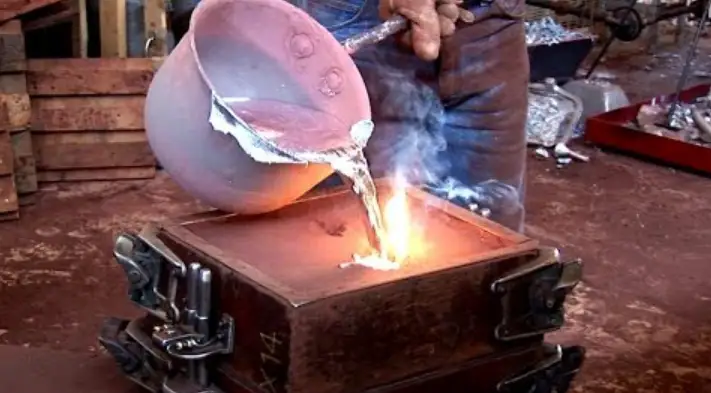
Melt transfer, pouring practice, and gating/riser basics
Pouring considerations
-
Minimize turbulence: turbulence traps air, enhances oxidation and creates entrapment. Use well-designed pouring spouts, smooth gating, and bottom-pour or controlled-tundish approaches to reduce turbulence.
-
Pour temperature: select the minimum pouring temperature that allows complete mold fill and feeding. Excessive superheat increases gas solubility and oxide formation.
Gating and risering
-
Proper gating design maintains steady, laminar fill and reduces defects. Use ingates sized to prevent early freezing and risers to feed solidification shrinkage. Gating design must be matched to casting geometry, alloy, and pouring rate.
Heat loss and insulation
-
Use insulated ladles and transfer lines to limit heat loss between furnace and mold. Preheated molds or insulating chills where appropriate also help maintain the desired solidification profile.
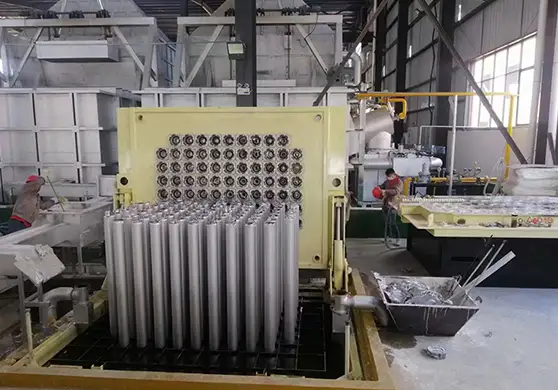
Process control: sampling, temperature profiling, and record keeping
A robust process control system reduces variability.
-
Sampling frequency: chemical sampling at defined intervals and molten metal temperature logging are core controls. For high-volume runs, automated spectrometers and temperature probes provide real-time feedback.
-
Temperature mapping: record melt temperatures at charging, after alloy additions, after treatment, and at pour. Maintain logs to correlate process shifts with defect trends.
-
Quality metrics: hydrogen ppm, inclusion index, mechanical test specimens (tensile, hardness), and porosity measurements should be tracked. Adjust degassing parameters or fluxing schedules in response to data. Systems like LARS and other purification systems are used to improve these metrics.
Safety, environmental and regulatory considerations
Melting aluminum involves high temperatures and chemical agents that require rigorous controls.
-
Personal protective equipment: aluminothermic burns and molten metal splashes require aluminized clothing, face shields, gloves and heat-resistant boots.
-
Flux handling: many fluxes contain chlorides and fluorides that can release hazardous fumes when heated. Provide local exhaust ventilation, dust control and operator training.
-
Dross and waste: dross has recovery value but is a hazardous stream when contaminated. Follow local waste regulations and implement dross recycling or processing.
-
Fume control: furnaces and holding units need proper stack and capture to meet emissions standards. Select furnace type and combustion controls with emissions in mind.
Practical troubleshooting checklist
If porosity or inclusions appear:
-
Verify melt temperature at pour and compare to recommended range.
-
Check hydrogen levels and review degassing log.
-
Inspect gating for turbulence or re-entrainment of oxides.
-
Confirm filtration integrity and correct filter media.
-
Review scrap source and recent charge composition.
Tables
Table 1: Typical melting and pouring temperature ranges for common casting alloys
| Alloy family | Typical liquidus range (°C) | Typical pouring temperature (°C) | Notes |
|---|---|---|---|
| Pure aluminum (reference) | 660 | 680 to 700 | Pure metal baseline. |
| A356 (Al-Si-Mg) | ~585 to 615 | 610 to 680 | Tends to require modest superheat for good fill. |
| A319 / A356 family | ~565 to 615 | 610 to 730 | Depends on casting thickness and process. |
| Al-Cu alloys | 500 to 640 (varies) | 650 to 730 | Higher pouring temps may be needed for feedability. |
| High-Si alloys | variable | 650 to 750 | High fluidity but sensitive to overheating. |
(Use alloy datasheets to set precise values for your grade and casting geometry.)
Table 2: Comparison of furnace types for melting aluminum
| Furnace type | Strengths | Limitations | Typical application |
|---|---|---|---|
| Induction furnace | Fast, energy efficient, clean, precise control | Higher capital cost, coil maintenance | Medium to large foundries requiring tight control. |
| Reverberatory furnace | Large batch capacity, flexible charging | Higher oxidation, dross formation | High-volume melt and holding. |
| Crucible furnace (gas/electric) | Simple, low capex for small scale | Manual operation, lower throughput | Small shops, specialty alloys. |
| Vacuum induction | Extremely clean melt, low gas | Very high cost and complexity | Aerospace, critical components. |
Table 3: Typical melt-treatment workflow and recommended checkpoints
| Step | What to check | Acceptable criteria / action |
|---|---|---|
| Charge planning | Scrap prep, moisture, coatings | Remove contaminated items; dry scrap |
| Initial melt | Temperature at liquidus | Reach alloy-specific liquidus range |
| Alloying additions | Composition control | Spectrometer check after additions |
| Degassing | Hydrogen ppm or reference test | Adjust rotary speed/gas flow until acceptable |
| Fluxing & skimming | Surface cleanliness | Remove dross and maintain clean flux cover |
| Filtration | Filter integrity | Replace if flow slows or bypass detected |
| Pouring | Pour temp and turbulence | Minimal turbulence; target pour temp |
Practical notes on implementing online degassing and filtration
Modern foundries combine rotary degassing units with ceramic filtrations in series to produce the cleanest melts prior to mold fill. Online purifying units incorporate heating, degassing and filtering in compact modules that mount between furnace and molding station. These systems reduce holding time, reduce rework and cut scrap. Examples and supplier systems follow the same thermodynamic principles: gas bubble-mediated hydrogen removal and mechanical filtration of solids.
Aluminum Melting & Quality Control FAQ
1. What temperature should I melt aluminum to for casting?
2. What is the most effective way to remove hydrogen?
3. Which furnace type gives the cleanest aluminum melt?
4. How often should I sample melt chemistry?
5. Are fluxes harmful to operators or the environment?
6. What filtration media are recommended for aluminum?
7. How do I reduce dross formation?
- Limit excessive superheat (stay below 780°C if possible).
- Reduce melt turbulence during transfer.
- Use insulating covers or nitrogen blankets to limit air contact.
- Skim the surface frequently with coated tools.
8. Is vacuum degassing necessary for automotive castings?
9. How long can molten aluminum be held before pouring?
10. What records ensure melt traceability?
- Charge Mix: Ratio of ingot to internal scrap.
- Process Temps: Furnace, degassing, and pour temperatures.
- Lab Results: Spectrometer chemistry and RPT gas levels.
- Consumables: Batch numbers for filters and rotors used.
Closing recommendations
-
Standardize a melt sheet that captures charge composition, target temperatures, degassing parameters, and filtration steps for each alloy.
-
Invest in one robust melt-cleaning method (rotary degasser plus ceramic filtration) before buying higher complexity systems. Validate with hydrogen analysis.
-
Train operators in safe flux handling and skimming practice. Operator technique matters as much as equipment.
-
Log and review production data monthly to spot trends in dross, hydrogen, or chemistry shifts. Use corrective actions in charge handling or scrap segregation.