

Preheating systems for aluminum casting operations — specifically launder and ladle heating equipment — are critical to preventing thermal shock, minimizing hydrogen porosity, and maintaining melt integrity during metal transfer. Based on our direct experience working with aluminum foundries across North America and Europe, the optimal preheat temperature range for aluminum launders sits between 150°C dan 400°C (302°F hingga 752°F), sedangkan pemanasan awal sendok biasanya membutuhkan 200°C hingga 500°C (392°F hingga 932°F) tergantung pada komposisi paduan, geometri sendok, dan jenis lapisan tahan api. Melewatkan atau tidak melakukan langkah ini secara memadai akan menyebabkan kehilangan lelehan yang sangat besar, ledakan uap yang berbahaya, dan cacat kualitas yang terukur pada pengecoran akhir.
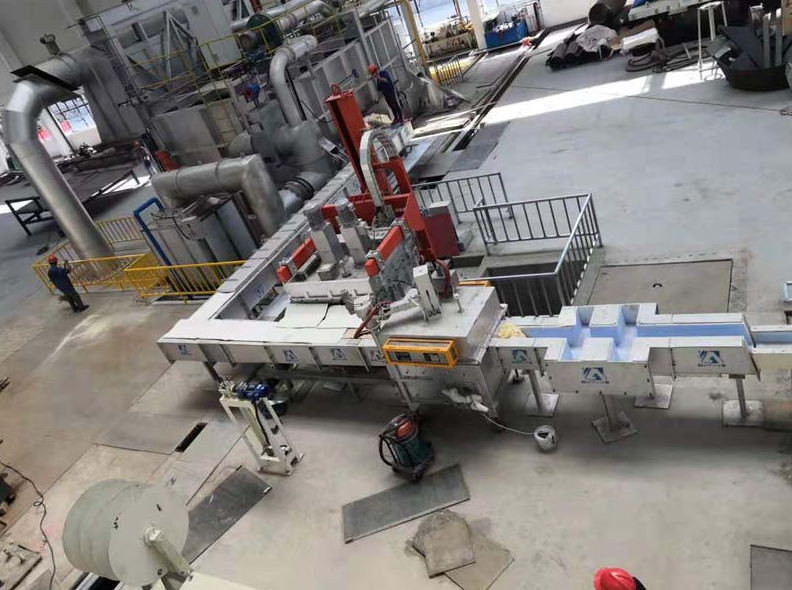
Apa Itu Sistem Pemanasan Awal untuk Aluminium dan Mengapa Itu Penting?
Dalam pengecoran aluminium, peralatan apa pun yang bersentuhan dengan logam cair harus mencapai suhu minimum yang aman sebelum penuangan dimulai. Sistem pemanasan awal menerapkan panas yang terkendali untuk pencuci (saluran transfer logam), sendok (bejana tuang), dan perkakas terkait untuk menghilangkan kelembapan sisa dan membawa lapisan tahan api ke suhu operasional.
Ketika aluminium cair - biasanya dituangkan pada suhu antara 660 ° C dan 760 ° C (1220 ° F hingga 1400 ° F) - menyentuh permukaan refraktori yang dingin atau basah, hasilnya adalah pembentukan uap yang cepat. Uap ini tidak dapat keluar dengan cukup cepat melalui matriks refraktori, menyebabkan penumpukan tekanan yang hebat. Hasilnya berkisar dari percikan logam dan kontaminasi hingga kegagalan eksplosif pada struktur sendok atau pencucian.
Kami telah melihat secara langsung bagaimana pengecoran yang mengabaikan protokol pemanasan awal yang sistematis menghadapi cacat porositas yang berulang, masa pakai refraktori yang lebih pendek, dan tingkat scrap yang tidak dapat diterima. Pemanasan awal yang tepat bukanlah pilihan - ini adalah persyaratan metalurgi dan keselamatan yang mendasar.
Fungsi Utama Sistem Pemanasan Awal Aluminium
- Penghapusan kelembapan dari lapisan tahan api.
- Pengkondisian termal pada dinding pencucian dan sendok.
- Pencegahan penyerapan hidrogen dalam lelehan.
- Pengurangan kelelahan siklus termal pada bahan tahan api.
- Stabilisasi suhu logam selama pemindahan.
Bagaimana Cara Kerja Sistem Pemanas Launder dalam Pengecoran Aluminium?
Mesin cuci adalah sistem saluran terbuka atau saluran tertutup yang digunakan untuk memindahkan aluminium cair dari tungku ke stasiun pengecoran. Launders biasanya dibuat dari papan kalsium silikat dengan kepadatan tinggi, castable tahan api, atau bahan keramik yang diperkuat serat.
Metode Pemanasan Awal Pencucian
Pemanasan Awal Berbasis Pembakar
Metode pemanasan awal pencucian yang paling umum menggunakan pembakar pita berbahan bakar gas atau pembakar tabung berseri yang dipasang di sepanjang panjang pencucian. Pembakaran gas alam atau LPG menghasilkan distribusi panas yang seragam di seluruh permukaan refraktori.
- Pembakar pita: lebar nyala api 50mm hingga 150mm, masukan panas 5 kW/m hingga 25 kW/m.
- Durasi pemanasan: 2 hingga 6 jam tergantung pada lama pencucian dan massa tahan api.
- Target suhu pemanasan awal: Minimum 300°C hingga 400°C (572°F hingga 752°F).
Pemanasan Hambatan Listrik
Elemen pemanas resistansi yang tertanam dalam penutup pencucian atau diposisikan di atas saluran menghasilkan panas yang bersih dan tepat tanpa produk pembakaran. Metode ini lebih disukai di fasilitas dengan standar emisi yang ketat.
- Jenis elemen pemanas: silikon karbida (SiC) atau paduan Kanthal FeCrAl.
- Power density: 15 kW/m² to 40 kW/m².
- Akurasi kontrol: ±5°C dengan pengontrol PID.
Pemanasan Awal Induksi
Kumparan induksi elektromagnetik yang diposisikan di sekitar bagian pencucian dapat dengan cepat memanaskan struktur tahan api yang didukung logam. Pendekatan ini kurang umum untuk pemanasan awal pencucian tetapi semakin berkembang di jalur pengecoran otomatis.
Spesifikasi Laju Pemanasan Pencucian
| Parameter Pencucian | Rentang Spesifikasi |
|---|---|
| Panaskan Suhu Awal | Sekitar (15°C hingga 35°C) |
| Suhu Operasi Target | 300°C hingga 400°C |
| Tingkat Pemanasan | 50°C/jam hingga 150°C/jam |
| Durasi Rendam pada Suhu Target | 30 menit hingga 2 jam |
| Konsumsi Bahan Bakar (Gas) | 0,5 m³/m/jam hingga 2,5 m³/m/jam |
| Permintaan Tenaga Listrik | 3 kW/m hingga 15 kW/m |
| Jenis Termokopel | Tipe K (Kromel-Alumel) |
Apa Saja Spesifikasi Teknis untuk Pemanasan Awal Sendok Aluminium?
Sendok yang digunakan dalam pengecoran aluminium berkisar dari betis kecil yang dituang dengan tangan dengan kapasitas 10 kg hingga sendok transfer besar dengan kapasitas melebihi 2.000 kg. Setiap ukuran dan geometri sendok memerlukan peralatan pemanas dan profil suhu yang spesifik.
Jenis Sistem Pemanasan Awal Sendok
Pemanas Sendok Berbahan Bakar Atas
Unit-unit ini memposisikan pembakar berkecepatan tinggi di atas bukaan sendok, mengarahkan api ke bawah ke dalam bejana. Ini adalah konfigurasi yang paling banyak digunakan dalam peleburan aluminium primer dan aluminium sekunder.
- Jenis pembakar: campuran nosel berkecepatan tinggi atau campuran awal.
- Suhu nyala api: 1100°C hingga 1500°C (di outlet burner)
- Suhu target sendok: 350°C hingga 500°C.
- Waktu pemanasan untuk sendok 500 kg: 45 menit hingga 90 menit.
- Waktu pemanasan untuk sendok 2000 kg: 2 jam hingga 4 jam.
Pemanas Sendok Masuk Samping
Pembakar masuk melalui port pada dinding samping sendok, memberikan distribusi panas yang lebih seragam di sekelilingnya. Desain ini lebih disukai untuk sendok berkapasitas besar di mana sistem pembakaran atas tidak dapat mencapai keseragaman suhu yang memadai.
Pemanas Sendok Listrik
Pemanas listrik resistansi atau inframerah yang diposisikan di atas atau di sekitar sendok memberikan pemanasan tanpa api. Manfaatnya termasuk kontrol suhu yang tepat, tidak ada produk sampingan pembakaran, dan kompatibilitas dengan lingkungan pengecoran ruang bersih.
Spesifikasi Suhu Pemanasan Awal Sendok berdasarkan Ukuran Sendok
| Kapasitas Sendok (kg) | Suhu Pemanasan Awal Min (°C) | Suhu Pemanasan Awal Maksimum (°C) | Durasi Pemanasan | Input Daya |
|---|---|---|---|---|
| Hingga 50 kg | 150°C | 300°C | 15 hingga 30 menit | 2 kW hingga 5 kW |
| 50 hingga 200 kg | 200°C | 380°C | 30 hingga 60 menit | 5 kW hingga 15 kW |
| 200 hingga 500 kg | 250°C | 420°C | 60 hingga 90 menit | 15 kW hingga 30 kW |
| 500 hingga 1000 kg | 300°C | 450°C | 90 hingga 150 menit | 30 kW hingga 60 kW |
| 1000 hingga 2000 kg | 350°C | 500°C | 120 hingga 240 menit | 60 kW hingga 120 kW |
| Lebih dari 2000 kg | 400°C | 520°C | 240 hingga 360 menit | 100 kW hingga 200 kW |
Dampak Lapisan Tahan Api pada Persyaratan Pemanasan Awal
Jenis lapisan refraktori di dalam sendok secara signifikan memengaruhi durasi pemanasan awal dan target suhu:
- Lapisan papan kalsium silikat: Massa termal lebih rendah, pemanasan awal lebih cepat, direkomendasikan minimum 200°C.
- Lapisan tahan api yang dapat dicor: Massa termal dan porositas yang lebih tinggi, memerlukan siklus pemanasan awal yang lebih lama (minimum 150°C hingga 300°C untuk mengeringkan).
- Refraktori monolitik (setelah perbaikan): Membutuhkan pengeringan bertahap: 110°C selama 4 jam, kemudian naikkan ke 350°C selama 8 jam.
- Mengisolasi batu bata tahan api: Pemanasan awal sedang, biasanya minimum 250°C.
Teknologi Pembakar Apa yang Digunakan dalam Sistem Pemanasan Awal Aluminium?
Pemilihan burner adalah salah satu keputusan teknik yang paling penting dalam mendesain atau menentukan sistem pemanasan awal. Jenis burner yang salah menyebabkan keseragaman suhu yang buruk, konsumsi bahan bakar yang berlebihan, kerusakan refraktori akibat titik panas, dan siklus pemanasan yang tidak dapat diandalkan.
Perbandingan Pembakar Berbahan Bakar Gas untuk Pemanasan Awal Aluminium
| Jenis Pembakar | Kisaran Masukan Panas | Keseragaman Suhu | Aplikasi Terbaik |
|---|---|---|---|
| Pembakar Pita | 5 kW hingga 50 kW | ±15°C hingga ±30°C | Pemanasan permukaan pencucian |
| Campuran Nosel Berkecepatan Tinggi | 20 kW hingga 500 kW | ±10°C hingga ±20°C | Sendok besar dengan api atas |
| Pembakar Tabung Radiasi | 10 kW hingga 100 kW | ±5°C hingga ±15°C | Pemanasan pencucian tidak langsung |
| Pembakar Api Datar | 15 kW hingga 200 kW | ±10°C hingga ±25°C | Cakupan dinding samping sendok |
| Premix Burner | 2 kW to 30 kW | ±5°C to ±10°C | Small ladle and tooling |
| Oxygen-Enriched Burner | 50 kW to 1000 kW | ±20°C to ±40°C | Rapid high-temp preheating |
Rasio Udara Pembakaran dan Bahan Bakar untuk Pemanasan Awal Aluminium
Proper air-to-fuel ratio (AFR) control is essential. Aluminum is highly susceptible to oxidation, and excess oxygen in the heating zone accelerates refractory degradation while introducing oxidizing atmospheres that can affect metal quality.
- Recommended excess air level: 5% to 15% (lambda = 1.05 to 1.15).
- Natural gas (methane) stoichiometric AFR: 9.5:1 to 10.5:1 by volume.
- LPG stoichiometric AFR: 23.5:1 to 25.5:1 by volume.
- Oxygen-enriched combustion AFR: variable based on enrichment level.
Bagaimana Kontrol Suhu dan Sistem Pemantauan Terintegrasi?
Modern aluminum preheating systems are not standalone heaters — they are integrated thermal management systems with closed-loop temperature control, data logging, and safety interlocks.
Perangkat Pengukuran Suhu untuk Sistem Pemanasan Awal
Termokopel
Type K thermocouples (chromel-alumel) are the standard for aluminum launder and ladle preheating, covering the range -200°C to 1260°C with accuracy of ±1.5°C to ±2.5°C.
Type N thermocouples offer superior drift resistance at elevated temperatures and are increasingly preferred for applications above 600°C.
Infrared Pyrometers
Non-contact temperature measurement using infrared pyrometers allows real-time surface temperature monitoring without physical contact. This is particularly valuable for rotating ladles or launders where thermocouple wiring is impractical.
- Measurement range: 200°C to 1600°C
- Emissivity setting for refractory: 0.85 to 0.95
- Response time: 100 ms to 500 ms
Thermal Imaging Cameras
Infrared thermal cameras provide full surface temperature mapping, identifying cold spots, hot spots, and refractory degradation zones that point-measurement devices cannot detect.
Arsitektur Sistem Kontrol
| Control Component | Fungsi | Typical Standard |
|---|---|---|
| PID Temperature Controller | Closed-loop burner or heater control | IEC 61511 |
| Programmable Ramp/Soak Controller | Staged preheating profiles | NFPA 86 |
| Safety Interlock System | Burner flame failure protection | EN 746-2 |
| Data Logger | Temperature history recording | ISO 9001 audit trail |
| HMI Display | Operator interface | SCADA integration |
| Remote Monitoring Module | IoT connectivity | Industry 4.0 compatible |
Apa Saja Persyaratan Keselamatan untuk Pencucian Aluminium dan Pemanasan Awal Sendok?
Safety is non-negotiable in aluminum preheating operations. The combination of open gas flames, high temperatures, combustible insulation materials, and molten metal proximity creates a complex hazard environment.
Bahaya Keselamatan Utama dalam Pemanasan Awal Aluminium
Steam Explosion Risk
Even minimal residual moisture in a refractory lining — as little as 0.5% by weight — can generate sufficient steam pressure to cause explosive ladle failure when contacted by molten aluminum at 700°C+. Our recommendation: always verify refractory moisture content using a moisture meter before the first pour.
Gas Leak and Combustion Hazard
Unburned natural gas or LPG accumulation in confined spaces around launders and ladles is an ignition hazard. Required safeguards:
- Flame failure detection (UV scanner or flame rod).
- Gas pressure proving switches.
- Manual and automatic gas shutoff valves.
- Pre-purge of combustion chamber before ignition.
Thermal Runaway in Electric Systems
Over-temperature protection is mandatory for electric heating elements. SiC elements in particular can enter thermal runaway conditions if the controller fails in an open-loop state.
Standar Keselamatan yang Berlaku
| Standar | Yurisdiksi | Cakupan |
|---|---|---|
| NFPA 86 | AMERIKA SERIKAT | Ovens and furnaces, combustion safety |
| EN 746-2 | Uni Eropa | Combustion equipment for heat treatment |
| EN 1539 | Uni Eropa | Dryers and ovens containing flammable substances |
| OSHA 29 CFR 1910.146 | AMERIKA SERIKAT | Confined space entry near ladle stations |
| ISO 11612 | International | Protective clothing for heat and flame |
| AS/NZS 4600 | Australia/NZ | Cold-formed steel structures in ladle frames |
Bagaimana Bahan Tahan Api Mempengaruhi Desain Sistem Pemanasan Awal Aluminium?
Refractory selection is deeply interconnected with preheating system design. The thermal conductivity, specific heat capacity, and maximum service temperature of the refractory material directly determine the required heat input, heating duration, and maximum allowable heating rate.
Bahan Tahan Api yang Umum pada Mesin Cuci dan Sendok Aluminium
| Refractory Material | Konduktivitas Termal (W/m-K) | Suhu Servis Maks (°C) | Typical Thickness (mm) |
|---|---|---|---|
| Papan Kalsium Silikat | 0.13 to 0.22 | 900 to 1050 | 25 to 75 |
| Insulating Castable | 0.25 to 0.45 | 1100 to 1400 | 50 to 150 |
| Dense Castable | 1.0 to 2.5 | 1400 to 1600 | 50 to 200 |
| Papan Serat Keramik | 0.08 to 0.15 | 1000 to 1260 | 25 to 75 |
| Alumina-Silica Brick | 0.9 to 1.5 | 1250 to 1600 | 75 to 150 |
| Cordierite Castable | 0.5 to 1.2 | 1300 to 1450 | 50 to 125 |
Jadwal Pengeringan Tahan Api
Newly installed or repaired refractory linings require a formal dry-out schedule before service. Accelerated dry-out without following the correct ramp rate causes cracking, spalling, and premature failure.
Standard Refractory Dry-Out Schedule for Aluminum Ladles:
- Room temperature to 110°C at 25°C/hour — hold for 4 hours (free water removal).
- 110°C to 200°C at 20°C/hour — hold for 2 hours (bound water removal).
- 200°C to 350°C at 30°C/hour — hold for 2 hours (chemical water and organics).
- 350°C to target operating temperature at 50°C/hour — hold for 1 hour.
- Cool to handling temperature naturally (no forced cooling).
Bagaimana Profil Efisiensi Energi Sistem Pemanasan Awal Aluminium Modern?
Energy consumption in aluminum preheating represents a significant operational cost, particularly for high-volume foundries running multiple casting lines simultaneously. We have benchmarked preheating energy costs across several facilities and found that regenerative and recuperative burner systems consistently deliver 30% to 50% energy savings compared to conventional open-flame systems.
Perbandingan Konsumsi Energi
| Preheating System Type | Efisiensi Energi | Fuel Consumption | CO2 Output |
|---|---|---|---|
| Conventional open-flame gas burner | 25% to 40% thermal efficiency | Tinggi | Tinggi |
| Recuperative gas burner | 45% to 60% thermal efficiency | Sedang | Sedang |
| Regenerative gas burner | 65% to 80% thermal efficiency | Rendah | Rendah |
| Electric resistance heating | 85% to 95% thermal efficiency | N/A (electric) | Depends on grid |
| Induction heating | 90% to 98% thermal efficiency | N/A (electric) | Depends on grid |
Opsi Pemulihan Panas Limbah
- Recuperator heat exchangers: recover flue gas heat to preheat combustion air.
- Regenerative burner pairs: alternating combustion chambers with ceramic heat storage.
- Heat pipe systems: passive transfer of exhaust heat to adjacent launder sections.
- Steam generation from waste heat: viable in very large launder preheating installations.
Bagaimana Tingkat Paduan Aluminium Mempengaruhi Pemilihan Suhu Pemanasan Awal?
Different aluminum alloy series have distinct liquidus temperatures, fluidity characteristics, and sensitivity to hydrogen absorption. These differences affect the required preheating temperatures for launders and ladles.
Pertimbangan Pemanasan Awal Paduan Aluminium berdasarkan Seri
| Seri Paduan | Komposisi | Liquidus Range (°C) | Recommended Preheat Temp (°C) |
|---|---|---|---|
| 1xxx (Pure Al) | >99% Al | 660°C | 300°C to 380°C |
| 2xxx (Al-Cu) | Al + 3.8% to 5% Cu | 630°C to 660°C | 320°C to 400°C |
| 3xxx (Al-Mn) | Al + 1% to 1.5% Mn | 648°C to 660°C | 300°C to 380°C |
| 4xxx (Al-Si) | Al + 5% to 12% Si | 577°C to 638°C | 280°C to 360°C |
| 5xxx (Al-Mg) | Al + 0.5% to 5.5% Mg | 600°C to 650°C | 300°C hingga 400°C |
| 6xxx (Al-Mg-Si) | Al + Mg + Si | 615°C to 654°C | 310°C to 390°C |
| 7xxx (Al-Zn) | Al + 1% to 8% Zn | 477°C to 635°C | 350°C to 450°C |
High-magnesium alloys (5xxx series) are particularly sensitive to oxide inclusion formation during transfer, making preheating temperature uniformity and controlled atmosphere conditions more critical than for other alloy groups.
Apa Saja Praktik Terbaik untuk Mencuci dan Pemanasan Awal Sendok di Pabrik Pengecoran Industri?
Drawing on practical experience from foundry optimization projects, we have identified the following as the most impactful operational best practices:
Protokol Inspeksi Pra-Produksi
Before initiating any preheating cycle, technicians should complete a systematic inspection:
- Visual inspection of refractory surface for cracks, spalling, or contamination.
- Moisture content check using handheld refractory moisture meter (target: below 0.3% w/w).
- Thermocouple continuity check and calibration verification.
- Gas supply pressure verification (typical operating pressure: 20 mbar to 100 mbar).
- Burner nozzle inspection for blockage or wear.
- Safety interlock function test.
Manajemen Siklus Pemanasan
- Never exceed the refractory manufacturer’s maximum heating rate.
- Use ramp-and-soak temperature profiles rather than single-step heating.
- Monitor temperature at multiple points along launder length (minimum one thermocouple per 2 meters).
- Document every preheating cycle with time-stamped temperature records.
- Allow natural cooling after use — never quench with water or forced air.
Perawatan Pasca Penggunaan
- Allow refractory to cool to below 100°C before any repair work.
- Remove metal skull (frozen aluminum) carefully using mechanical tools — never with flame cutting near refractory.
- Inspect refractory after each campaign for penetration depth and crack formation.
- Replace calcium silicate board sections when thickness loss exceeds 20% of original.
Bagaimana Sistem Pemanasan Awal Otomatis Meningkatkan Kualitas Pengecoran Aluminium?
The shift from manual to automated preheating control is one of the most significant quality improvements available to modern aluminum foundries. Automated systems eliminate operator-to-operator variability, enforce consistent ramp profiles, and provide audit-ready temperature records for quality management systems.
Fitur Otomasi dalam Sistem Pemanasan Awal Modern
Recipe-Based Heating Profiles
Operators select the appropriate recipe from a library stored in the controller. The system automatically executes the ramp, soak, and readiness check sequence. This eliminates the common problem of under-preheating caused by time pressure during production.
Integration with Casting Line Control Systems
Advanced preheating systems communicate with the casting line PLC via OPC-UA or Modbus protocols. The ladle or launder does not receive metal until the preheating system signals that the target temperature has been reached and maintained for the required soak period.
Predictive Maintenance Capabilities
Burner combustion analyzers, element resistance monitoring, and thermocouple drift detection enable condition-based maintenance schedules rather than fixed calendar-based replacement.
Pertanyaan yang Sering Diajukan Tentang Pencucian Aluminium dan Pemanasan Awal Sendok
1: What is the minimum safe preheat temperature for an aluminum ladle before pouring?
The minimum safe preheat temperature depends on ladle size and refractory type, but the general industry standard is 200°C minimum for all aluminum ladles. For ladles with castable refractory linings, 300°C to 350°C is more appropriate. Below these thresholds, residual moisture poses steam explosion risk.
2: How long does it take to preheat a 1,000 kg aluminum ladle?
A properly equipped top-fired ladle heater can bring a 1,000 kg ladle from ambient to 400°C in approximately 90 to 150 minutes. Factors that extend this time include high ambient humidity, new or repaired refractory, and lower burner capacity installations.
3: Can electric preheating systems replace gas burners for aluminum ladles?
Yes, electric systems are fully viable and preferred in facilities with renewable energy access or strict emissions limits. The main practical consideration is installed electrical capacity — a 2,000 kg ladle may require 100 kW to 150 kW of electric heating capacity, which requires significant electrical infrastructure investment.
4: What type of thermocouple is best for aluminum launder temperature monitoring?
Type K thermocouples are the most widely used for aluminum launder monitoring due to their wide temperature range (up to 1260°C) and low cost. Type N offers better stability above 600°C but at higher cost. Both use standard IEC 60584 calibration.
5: How does hydrogen porosity relate to inadequate preheating of launders?
Cold launder surfaces cause localized solidification of aluminum in contact zones, which slows metal flow and creates turbulence. This turbulence increases the surface area of the melt exposed to atmosphere, promoting hydrogen absorption. Additionally, moisture on launder surfaces directly introduces hydrogen into the melt via the reaction: 2Al + 3H2O = Al2O3 + 3H2.
6: What is the correct heating rate for a newly repaired ladle with castable refractory?
For freshly installed or repaired castable refractory, the maximum heating rate during dry-out is 20°C to 25°C per hour up to 250°C. After the 250°C hold (minimum 2 hours), the rate can increase to 50°C per hour up to the target temperature. Exceeding these rates causes steam pressure cracking.
7: Are there portable preheating solutions for aluminum ladles in smaller foundries?
Yes, portable propane or LPG burner heater units are commercially available and widely used in smaller foundries. These typically have heat outputs of 5 kW to 50 kW and can be positioned over standard ladle openings. Temperature control on portable units is often manual, requiring experienced operators to interpret thermocouple readings.
8: What safety certifications should a ladle preheating system carry?
At minimum, gas-fired preheating systems should comply with NFPA 86 (USA) or EN 746-2 (Europe), with CE marking for European markets. Burner components should carry FM or CSA approval (North America) or CE marking per EN 676 (Europe). The overall system should include documented risk assessment per ATEX directives if installed in potentially explosive atmospheres.
9: How do you calculate the required heat input for aluminum launder preheating?
The basic calculation uses the formula: Q = m × Cp × ΔT / efficiency, where Q is heat input in kJ, m is refractory mass in kg, Cp is specific heat capacity in kJ/kg·°C, and ΔT is the temperature rise required. For calcium silicate board with Cp = 0.85 kJ/kg·°C, heating 50 kg of refractory from 20°C to 350°C at 60% burner efficiency requires approximately 23,400 kJ of fuel energy input.
10: What is the difference between launder preheating and launder drying?
Launder drying specifically targets the removal of residual moisture from refractory after washing, cleaning, or installation. It typically operates at lower temperatures (100°C to 200°C) for extended periods. Launder preheating is the operational warm-up before each production run, bringing the launder to production-ready temperatures. New launder installations require both sequential processes.
Pertimbangan Pengadaan untuk Sistem Pemanasan Awal Aluminium
For procurement engineers and capital equipment buyers, specifying a preheating system requires balancing several competing factors: total cost of ownership, heating capacity, fuel type compatibility, control system integration, and after-sales support.
Spesifikasi Utama yang Harus Disertakan dalam RFQ Pengadaan Peralatan
| Specification Category | Parameters to Define |
|---|---|
| Heat Output Capacity | kW rating, minimum and maximum modulation range |
| Fuel Type | Natural gas, LPG, electric, dual-fuel |
| Kisaran Suhu Operasi | Minimum and maximum target temperatures |
| Heating Rate Capability | °C/hour at rated conditions |
| Akurasi Kontrol Suhu | ±°C requirement |
| Safety Compliance | Required certifications (NFPA 86, EN 746-2, CE) |
| Control System Interface | Analog, digital, Modbus, OPC-UA |
| Physical Dimensions | Burner head size, hose length, weight |
| Operating Lifetime | Expected service hours before overhaul |
| Warranty Terms | Parts and labor coverage period |
Total Faktor Biaya Kepemilikan
When comparing gas versus electric preheating systems over a 10-year operational period, the following cost components must be included:
- Equipment purchase price and installation.
- Annual fuel or electricity costs (based on operating hours).
- Maintenance parts and labor (burner tips, thermocouples, ignitors, elements).
- Refractory replacement costs influenced by heating quality.
- Downtime costs for equipment failures.
- Emissions compliance costs (carbon pricing, permits).
In regions with high natural gas costs and competitive electricity rates — particularly where renewable power is available — electric systems increasingly show favorable lifetime economics despite higher initial equipment cost.
Kesimpulan dan Ringkasan Teknis
Preheating systems for aluminum launders and ladles are among the most technically critical and operationally significant systems in any aluminum casting facility. Getting the specifications right — temperatures, heating rates, burner types, refractory compatibility, and control systems — directly affects casting quality, equipment longevity, worker safety, and energy costs.
The key technical benchmarks to remember:
- Launder preheat: 300°C to 400°C minimum, 50°C to 150°C/hour heating rate.
- Ladle preheat: 200°C to 500°C depending on capacity and refractory type.
- New refractory dry-out: staged schedule starting at 20°C to 25°C/hour maximum.
- Thermocouple standard: Type K or Type N, IEC 60584 calibration.
- Safety compliance: NFPA 86 (USA), EN 746-2 (Europe).
- Energy efficiency: regenerative burners or electric systems for high-utilization applications.
We strongly recommend that foundries implement documented preheating procedures, automated temperature logging, and formal refractory inspection protocols as part of their quality management systems. These steps move preheating from an informal operator practice to a controlled, auditable process that consistently delivers superior casting quality and measurably extended ladle and launder service life.