

From the intensive steam injection processes in the Alberta Oil Sands to the massive smelting operations in Saguenay, Quebec, Canadian industries require thermal sealing that can withstand both extreme operational heat and the country’s harsh sub-zero ambient temperatures. AdTech provides specialized ceramic fiber rope solutions rated to 1260℃ (2300℉), engineered to maximize energy retention and operational safety in Canada’s primary sectors.
If your project requires the use of Ceramic Fiber Rope, you can contact us for a free quote.
As a leading international supplier, AdTech ensures that our refractory ropes meet the high-performance standards expected by Canadian engineering firms. Our products are asbestos-free, offering superior resistance to thermal shock and chemical erosion, making them the gold standard for sealing furnace doors, expansion joints, and high-pressure steam lines in both coastal and inland industrial hubs.
At AdTech, we securing 1260-degree Celsius ceramic fiber ropes engineered specifically regarding Canadian oil sands and mining operations prevents catastrophic thermal containment failures, maximizes steam-assisted gravity drainage efficiency, and guarantees uninterrupted heavy industrial output. Identifying reliable domestic suppliers eliminates crippling winter supply chain bottlenecks, ensures strict compliance regarding Workplace Hazardous Materials Information System standards, and provides immediate access to premium refractory textiles capable of withstanding extreme petrochemical corrosion. By prioritizing alumino-silicate purity and robust metallic reinforcement, mechanical engineers dramatically reduce unplanned downtime across Alberta bitumen extraction sites and Northern Ontario metallurgical smelters. We compiled this exhaustive technical evaluation to assist procurement specialists in executing data-driven purchasing decisions tailored exactly toward Canada’s harshest heavy industry environments.
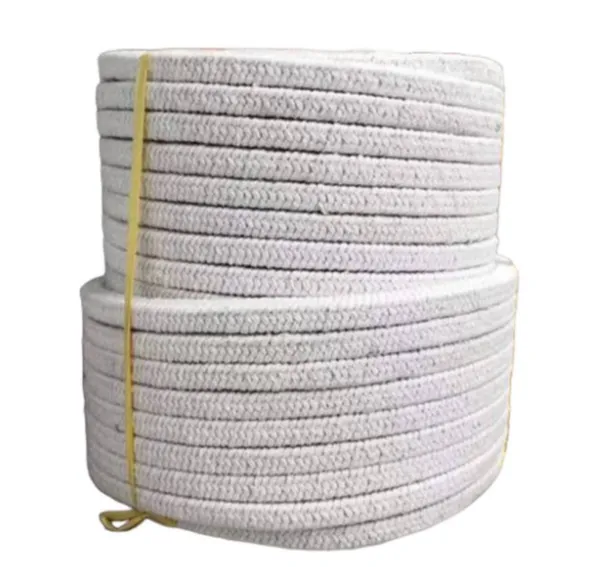
Why Do Canadian Oil Sands Operations Require 1260℃ Rated Refractory Ropes?
Understanding the extreme thermodynamic baseline present within Alberta oil sands extraction facilities remains absolutely critical before contacting any regional distributor. Bitumen extraction, specifically utilizing Steam Assisted Gravity Drainage techniques, requires injecting massive volumes of high-pressure, superheated steam deep underground. Surface equipment, including steam generators, massive boiler doors, and heavy pipeline flange connections, operates under relentless thermal stress.
Standard elastomeric gaskets or basic fiberglass textiles fail almost instantly when subjected to these operational extremes. Heavy oil processing inherently generates corrosive sulfur compounds and volatile petrochemical byproducts that rapidly degrade inferior seals. We determine that 1260-degree Celsius (2300-degree Fahrenheit) rated ceramic fiber ropes provide the exact chemical inertness and high-temperature stability required to maintain gas-tight seals around heavy industrial equipment.
Furthermore, Canadian facilities operate within completely unique environmental conditions. Exterior equipment faces sub-zero ambient winter temperatures, while internal chamber temperatures exceed 1000 degrees Celsius. This massive thermal gradient induces severe expansion and contraction across metal joints. High-grade alumino-silicate packing possesses the necessary compressibility to expand and contract harmoniously alongside steel flanges, preventing highly dangerous high-pressure steam leaks during mid-winter operations.
Also read: Ceramic Fiber Rope Suppliers USA: 2300°F Inconel-Reinforced Stock.
How Does the Chemical Composition Determine Mining Grade Durability?
Procurement managers face immense pressure to source defect-free materials capable of surviving prolonged abuse inside mining kilns and ore processing plants. We observe that premier Canadian suppliers differentiate their product lines through rigorous quality assurance protocols detailing precise chemical purity.
High-temperature refractory textiles consist of spun or blown fibers woven into highly dense matrixes. When evaluating mining-grade stock, buyers must verify the exact alumina-to-silica ratio. Premium grade 1260-degree Celsius ropes typically contain approximately forty-seven percent alumina (Al2O3) and fifty-two percent silica (SiO2). This specific atomic ratio stabilizes the molecular structure, allowing the braided material to withstand continuous operating environments up to 1260 degrees Celsius without undergoing rapid devitrification.
Devitrification describes the physical process where amorphous, glass-like fibers slowly crystallize due to extreme heat exposure. Once crystallized, the fibers turn extremely brittle and crumble under mechanical vibration. In large-scale gold or nickel smelting operations, massive crushers and rotary kilns generate immense low-frequency vibrations. Only chemically pure, high-alumina textiles maintain sufficient elasticity to resist vibrational destruction over extended operational cycles.
Table 1: Technical Chemical Specifications of 1260℃ Mining Grade Rope
| Technical Parameter | Specification Value | Testing Methodology | Practical Benefit |
|---|---|---|---|
| Continuous Operating Limit | 1260°C (2300°F) | ASTM C892 | Survives primary smelting heat |
| Alumina Content (Al2O3) | 47% – 49% | X-Ray Fluorescence | Resists devitrification |
| Silica Content (SiO2) | 50% – 52% | X-Ray Fluorescence | Provides high-temperature stability |
| Trace Alkalines | Less than 1% | Spectrometry | Prevents chemical fluxing |
| Melting Point | > 1760°C (3200°F) | Thermogravimetric | Failsafe against sudden spikes |
| Chemical Resistance | pH 2 to pH 12 | Acid/Base Submersion | Defies acidic mine drainage |
| Thermal Shrinkage | < 3% at maximum heat | Linear Measurement | Maintains tight door sealing |
Which Braid Configurations Maximize Sealing in Heavy Oil Extraction Equipment?
Selecting the correct cross-sectional geometry completely dictates the success or failure of the thermal joint. Manufacturers fabricate ceramic fiber textiles using three primary weaving techniques, each engineered toward specific mechanical requirements present within oil refineries and mine processing plants.
Analyzing Square Braid Dynamics in Furnace Doors
Square braids represent the most robust configuration available on the industrial market. Technicians interweave multiple refractory yarns into a solid, highly dense square cross-section, resulting in maximum structural integrity. We highly recommend square braids concerning heavy-duty coke oven doors, kiln cars, and environments requiring significant compression resistance. The square shape fits perfectly into U-shaped steel channels, preventing twisting or rolling during the mechanical movement of massive blast furnace doors.
Evaluating Round Braid Performance in Pipe Flanges
Manufacturers construct round braids by interweaving yarns around a central fibrous core. This technique yields a denser, more uniform product compared to soft twisted alternatives. Round braids resist unravelling when cut and provide excellent sealing capabilities inside static pipe flanges, circular exhaust ports, and intricate manifold geometries commonly found throughout heavy oil upgrading facilities.
Deploying Twisted Ropes in Low-Compression Zones
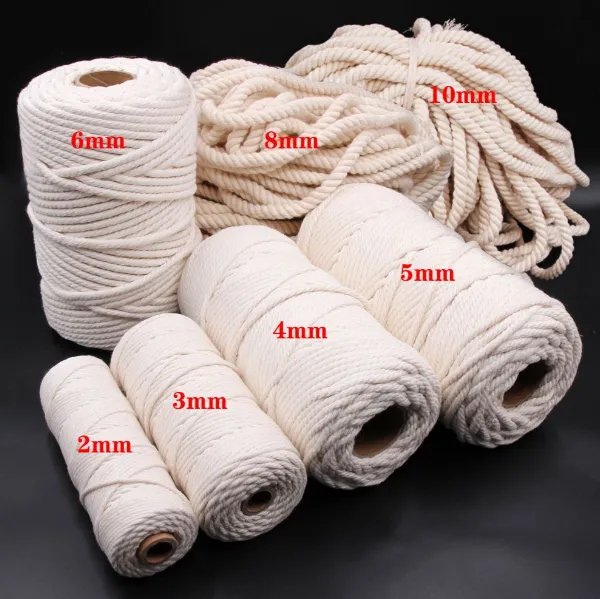
Twisted varieties consist of multiple strands of ceramic yarn simply spun together. This creates a soft, highly compressible product. Engineers deploy twisted types to fill irregular expansion joints or temporary voids where low compression force exists. However, twisted structures lack the durability required regarding high-friction, dynamic environments and should remain restricted to static insulation duties.
Table 2: Configuration Comparison and Recommended Deployments
| Geometry Profile | Density Level | Compressibility | Primary Oil Sands Application | Primary Mining Application |
|---|---|---|---|---|
| High-Density Square | Extremely High | Low (15-20%) | Boiler Access Doors | Rotary Kiln Seals |
| Dense Round | High | Moderate (20-30%) | High-Pressure Steam Flanges | Exhaust Manifold Wrapping |
| Soft Twisted | Low | High (Up to 50%) | Static Pipe Insulation | Irregular Expansion Joints |
| Rectangular Braid | Very High | Low (15-20%) | Custom Upgrader Equipment | Smelter Trough Lining |
What Role Do Reinforcement Materials Play in Mechanical Integrity?
When browsing regional supplier catalogs, buyers often encounter both fiberglass-reinforced and wire-reinforced options. Understanding these metallurgical differences completely prevents catastrophic application failures during critical production runs. Standard refractory yarns inherently lack high tensile strength. To weave them effectively, manufacturers must insert carrying filaments.
While fiberglass reinforcement provides a cost-effective solution, standard glass filaments begin melting and degrading around 650 degrees Celsius (1200 degrees Fahrenheit). If the heavy oil application exceeds this thermal threshold, the fiberglass burns away entirely. Without reinforcement, the remaining ceramic structure becomes brittle and highly susceptible to vibrational destruction caused by nearby heavy machinery.
Conversely, stainless steel or Inconel wire maintains its structural matrix well beyond 1000 degrees Celsius. When the organic carrying agents vaporize, the metallic lattice continues holding the alumino-silicate fibers tightly together. We stress that any application involving physical movement, heavy vibration, or continuous friction at elevated temperatures absolutely mandates metallic wire reinforcement. Stainless steel alloy 304 or 316 provides excellent strength, while Inconel superalloys deliver unparalleled performance in highly oxidative, extreme-heat zones.
Table 3: Reinforcement Material Performance Matrix
| Reinforcement Type | Max Operational Temp | Tensile Strength Retention | Cost Efficiency | Ideal Environment |
|---|---|---|---|---|
| Standard Fiberglass | 650°C (1200°F) | Poor at peak heat | Highly Economical | Static, lower-temperature zones |
| Stainless Steel 304 | 1000°C (1832°F) | Excellent | Moderate Investment | High-vibration mining equipment |
| Stainless Steel 316 | 1000°C (1832°F) | Excellent | Premium Investment | Corrosive petrochemical exposure |
| Inconel Superalloy | 1093°C (2000°F)+ | Superior | Highest Investment | Dynamic, extreme-temperature zones |
How Do Procurement Teams Evaluate Canadian Supply Chain Reliability?
Securing a reliable supply chain involves evaluating distributor warehousing capabilities, minimum order requirements, and winter shipping logistics. Minimizing downtime requires access to immediate, geographically proximate inventory. Leading Canadian suppliers maintain vast warehouses stocked with multiple diameters and braiding configurations across major industrial hubs like Edmonton, Calgary, and Sudbury.
Mitigating Winter Logistics and Freight Delays
Importing critical sealing materials from overseas during the harsh Canadian winter introduces unacceptable risk. Heavy snowstorms and frozen port logistics frequently delay ocean freight shipments by several weeks. By leveraging domestic stock, industrial plants bypass unpredictable international shipping schedules and customs clearance bottlenecks. We strongly recommend partnering with vendors possessing robust domestic distribution networks, ensuring uninterrupted delivery along the Trans-Canada Highway system despite severe weather events.
Negotiating Bulk Agreements and Custom Fabrication
Many oil sands upgraders require non-standard lengths or unique cross-sectional dimensions to seal specialized processing equipment. Premier suppliers possess the capability to manufacture custom production runs tailored strictly toward client specifications. Buyers should constantly inquire regarding minimum order quantities tied to custom sizing. Furthermore, large facilities must negotiate bulk pricing agreements based on annual tonnage requirements, ensuring locked-in financial rates despite fluctuating global raw material costs.
What Are the Specific Applications of Thermal Ropes in Metallurgical Smelting?
Beyond the petrochemical sector, Canada’s massive metallurgical industry consumes vast quantities of high-temperature textiles. Extracting precious metals, copper, and nickel from raw ore demands staggering thermal energy.
Ladle Covers and Crucible Insulation
During primary smelting, giant ladles transport molten metal across the facility floor. Sealing the covers of these ladles prevents massive radiant heat loss and protects nearby workers from fatal thermal exposure. High-density, wire-reinforced square braids serve excellently to seal these heavy covers. The metallic reinforcement prevents the textile from tearing when the massive steel lids repeatedly slam shut, maintaining a failsafe barrier that conserves immense amounts of fuel.
Rotary Kiln and Furnace Expansion Joints
Ore processing relies heavily on massive rotary kilns. These rotating cylindrical furnaces feature numerous expansion joints that expand and contract dramatically during thermal cycling. Technicians pack soft twisted ceramic ropes deep into these joints, accommodating the constant physical movement while successfully trapping the internal combustion heat.
How Can Engineers Calculate Thermal Conductivity and Energy Savings?
Plant engineers must justify material procurement upgrades through proven financial returns. High-performance alumino-silicate packing directly reduces fuel consumption by limiting radiant and convective heat loss escaping through industrial doorways.
Thermal conductivity measures how easily heat passes through the material. Lower conductivity values indicate superior insulation performance. Because ceramic textiles feature billions of microscopic trapped air pockets between the woven fibers, they exhibit phenomenally low thermal transfer rates. By replacing degraded, leaking gaskets with newly compressed 1260-degree ropes, facilities immediately trap valuable thermal energy inside the processing chamber.
Table 4: Thermal Conductivity Benchmarks (W/m·K)
| Mean Internal Temperature | High-Density Square Braid | Soft Twisted Rope | Impact on Heat Retention |
|---|---|---|---|
| 400°C (752°F) | 0.09 | 0.12 | Exceptional energy conservation |
| 600°C (1112°F) | 0.14 | 0.18 | Very high heat trapping |
| 800°C (1472°F) | 0.20 | 0.25 | Steady operational efficiency |
| 1000°C (1832°F) | 0.28 | 0.35 | Prevents massive energy loss |
By calculating the total linear footage of exposed door seams, engineers can extrapolate the precise reduction in BTU (British Thermal Unit) loss. In massive oil sands boiler applications, this thermal efficiency upgrade routinely saves tens of thousands of dollars in natural gas consumption annually, delivering an incredibly rapid return on the initial material investment.
Are There Strict Health and Safety Compliance Standards in Canadian Workplaces?
Industrial workplace safety commands absolute priority across all provinces. Refractory Ceramic Fibers require highly specific handling protocols due to their microscopic structure. We strictly advise all maintenance personnel to consult the Canadian Centre for Occupational Health and Safety regulations before handling these products.
WHMIS Protocols and Airborne Fiber Mitigation
The Workplace Hazardous Materials Information System strictly regulates the categorization and labeling of refractory materials. Cutting, tearing, or forcefully compressing dry ceramic ropes releases microscopic respirable dust particles into the immediate atmosphere. Prolonged inhalation of these specific particles poses severe respiratory health risks.
To mitigate these workplace hazards, extraction facilities must enforce stringent Personal Protective Equipment mandates. Technicians must consistently wear high-efficiency particulate air respirators, long-sleeved disposable coveralls, heavy-duty gloves, and protective eyewear during all installation and removal procedures. To suppress hazardous dust generation, technicians should lightly dampen the material utilizing a simple water spray bottle prior to cutting. Always dispose of used, degraded refractory materials strictly inside sealed heavy-duty plastic bags, adhering completely toward provincial hazardous waste disposal guidelines.
To directly address these health concerns, advanced suppliers now offer Alkaline Earth Silicate wool alternatives, commonly recognized utilizing the term biosoluble fibers. These advanced materials dissolve naturally within human lung fluids if accidentally inhaled. However, engineers must carefully note that biosoluble fibers generally exhibit slightly lower continuous temperature limits compared to traditional products, typically reaching maximum safety thresholds around 1000 degrees Celsius, which may prove insufficient regarding primary smelting zones.
How Do Environmental Factors Affect Refractory Storage and Installation in Canada?
Procuring premium sealing materials solves only half the engineering equation; proper storage and expert installation dictate long-term success. The Canadian climate introduces severe environmental challenges regarding industrial inventory management.
Combating Moisture Absorption and Freezing Temperatures
Uncoated alumino-silicate fibers act highly porous and absorb ambient moisture rapidly. While pure water will not chemically destroy the synthetic fibers, a wet rope loses its thermal insulation capabilities entirely. Water conducts heat exceptionally well, meaning a waterlogged gasket will transfer intense furnace heat directly toward the exterior steel casing, potentially causing severe structural warping.
Furthermore, if a waterlogged spool sits inside an unheated storage yard during an Alberta winter, the trapped water will freeze and expand, permanently rupturing the internal fibrous matrix. Facilities must strictly mandate storing all high-temperature textiles inside dry, climate-controlled, indoor warehouses. If a spool accidentally absorbs moisture, technicians must place it inside a low-temperature drying oven to evaporate the water completely before attempting any mechanical installation.
Managing Initial Heat-Up Outgassing
During the standard manufacturing process, suppliers add a small percentage of organic carriers (usually around two to three percent) to lubricate the raw fibers and successfully facilitate high-speed machine weaving. When the newly installed rope experiences temperatures exceeding 250 degrees Celsius the very first time, these organic binders naturally combust.
This standard chemical process produces a small amount of visible smoke and a distinct odor. Facilities must perfectly anticipate this initial outgassing event. Engineers should ensure proper mechanical ventilation across the processing floor during the initial facility heat-up cycle. Once the internal organics burn away entirely, the remaining seal becomes pure ceramic and metal, rendering it entirely non-combustible and completely structurally stable.
Frequently Asked Questions Regarding Oil Sands and Mining Grade Ceramic Packing
Refractory FAQ: Wire-Reinforced Ceramic Textiles
1. Can maintenance personnel cut wire-reinforced materials utilizing standard utility knives?
Severing wire-reinforced textiles requires heavy-duty mechanical shears, specialized cable cutters, or angle grinders. Standard utility blades will dull instantly against the stainless steel or Inconel wire lattice and will completely struggle to sever the dense braided structure cleanly. We highly recommend wrapping heavy tape around the targeted section prior to cutting to effectively prevent the severed ends from aggressively fraying.
2. Will this high-temperature material continuously conduct electricity?
Yes, conditional upon the reinforcement type. Because premium mining-grade products contain continuous metallic wire reinforcement throughout the entire structure, the rope acts electrically conductive. Never deploy wire-reinforced textiles inside areas requiring strict electrical isolation, near exposed high-voltage terminals, or surrounding unshielded induction heating coils.
3. Exactly how much mechanical compression should technicians apply during installation?
Optimal compression parameters depend entirely upon the specific braiding geometry. High-density square braids typically require merely 15% to 20% volume compression to successfully achieve a gas-tight seal inside a steel channel. Soft twisted ropes can safely compress up to 50%. Over-compressing the dense square variants risks physically crushing the internal ceramic matrix, severely reducing the long-term insulating properties.
4. Is the standard alumino-silicate material completely waterproof?
5. Do modern Canadian refractory products contain any trace asbestos?
6. What causes the door seals to turn stiff and crumble over extended timeframes?
Continuous, long-term exposure to peak thermal limits forces the ceramic fibers to undergo devitrification, where the highly flexible glass-like structure slowly crystallizes into a rigid formation. This unavoidable natural degradation makes the material physically brittle. Strict routine maintenance schedules must consistently include periodic material replacement before catastrophic crumbling causes critical seal failures.
7. Can operators apply liquid refractory cement directly onto the braided exterior?
8. Why exactly does a newly installed seal emit heavy smoke when the boiler initially ignites?
This event represents a completely normal, expected phenomenon. Manufacturers systematically use microscopic amounts of organic lubricants to assist the high-speed braiding machines in preventing fiber breakage. These organic lubricants actively vaporize when ambient temperatures cross 250 degrees Celsius. The localized smoking ceases entirely once the initial burn-off phase reaches full completion.
9. What primary difference exists between Stainless Steel 304 and Inconel reinforcement?
Both metallic alloys perform exceptionally well regarding structural support. Stainless Steel 304 handles continuous temperatures up to 1000 degrees Celsius effectively. However, Inconel superalloys contain massive amounts of nickel and chromium, granting them vastly superior physical resistance against extreme high-temperature oxidation and aggressive sulfurous chemical attacks frequently present within bitumen upgrading facilities.
10. How do procurement teams determine the exact linear footage on a bulk commercial spool?
We at AdTech trust this exhaustive technical breakdown empowers your engineering and procurement teams to seamlessly source optimal high-temperature sealing solutions. Securing premium 1260-degree Celsius textiles from verified Canadian distributors completely ensures heavy operational longevity, aggressively protects vital oil sands infrastructure, and perfectly maintains uninterrupted domestic production schedules. Focus heavily upon verifying precise chemical specifications, demanding robust metallic reinforcement, and executing rigorous safety handling standards to achieve ultimate thermal sealing success across all heavy industrial platforms.