

Ceramic cones are small, engineered ceramic devices used chiefly in two separate fields. One type, called pyrometric cones, measures the combined effect of kiln temperature and heating time so potters and ceramic technologists know when wares have reached the correct maturity. The other type, commonly referred to in industry as ceramic foam filters or ceramic filter cones, is used in metal casting to remove nonmetallic inclusions and control metal flow, improving the quality and reliability of castings. Both rely on carefully selected ceramic compositions and controlled manufacturing to perform under demanding thermal conditions.
Pyrometric cones: purpose, operation and practical tips
What is a pyrometric cone?
A pyrometric cone is a small, tapered, ceramic device manufactured to deform at a defined amount of heatwork. Heatwork is the cumulative effect of temperature and time during a kiln firing. When the cone softens and bends at its rated heatwork the user has a simple and reliable indication that the kiln atmosphere has reached the intended firing maturity for the ware or glaze. Pyrometric cones are widely used by potters, ceramic engineers and laboratories.

How pyrometric cones work
Cones are formulated so that at a given combination of temperature and heating rate the ceramic material will begin to soften and then bend. Faster heating generally requires a slightly higher peak temperature to achieve the same heatwork; slower heating requires a lower peak. That is why cones are a measure of heatwork rather than temperature alone. Cones are often used as witness devices in the kiln or in the kiln sitter mechanism for automatic shutoff.
Common cone ranges and meaning
Pyrometric cones are indexed in systems such as the Orton cone scale with numbers like 04, 06, 6, 10 and so on. Lower numbers indicate lower heatwork and lower firing “temperature equivalents” but remember they are heatwork indicators. Typical practical uses:
-
low-fire glazes and bodies: cones 06 to 04
-
mid-fire: cones 5 to 6
-
high-fire stoneware and porcelain: cones 8 to 12 or higher.
Placement, reading and good practice
-
Put cones on each shelf or a witness shelf toward the kiln center.
-
Use a set of three cones when possible: guide cone, firing cone and guard cone to detect under or over firing.
-
Read cones at a consistent position and lighting condition. Visual reading remains the most common method, though thermocouples and digital controllers have their place.
-
Keep cones in original packaging until use and avoid contaminating them with glaze splashes.
Limitations and common mistakes
-
Cones tell you about heatwork, not an exact furnace air temperature at any instant.
-
Misplaced or poorly shielded cones give misleading results.
-
Relying solely on cone appearance without understanding firing schedules can lead to inconsistent results.
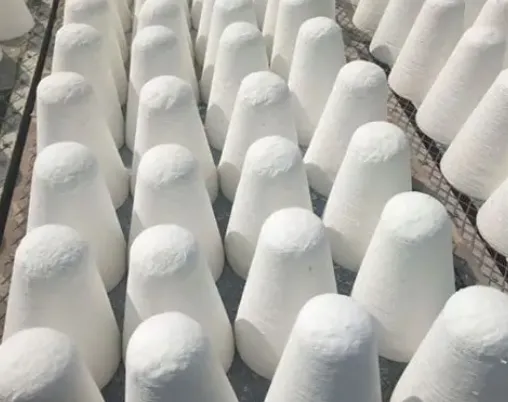
Ceramic cones used as foundry filtration (ceramic foam filters)
What is a ceramic foam filter?
In foundry practice the phrase ceramic cone or ceramic filter most commonly refers to a porous ceramic element used to remove inclusions from molten metal as it flows into a mold. These filters are usually reticulated porous ceramics produced in defined pore sizes (often expressed as pores per inch, PPI) and tailored by chemistry to withstand the melt temperature and chemical environment. They are essential for high-quality aluminum, magnesium, copper and even steel castings.
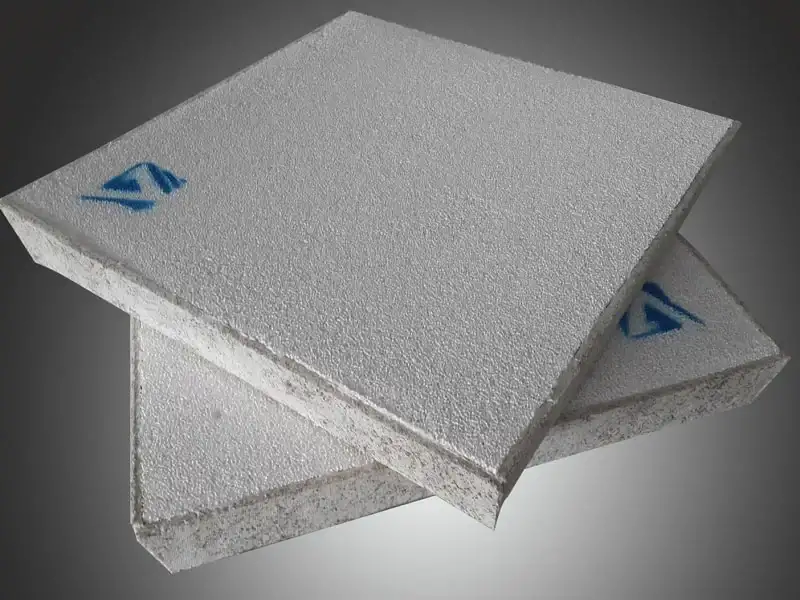
Why foundries use ceramic filters
Ceramic filters remove nonmetallic inclusions, reduce turbulence, and improve metal flow profile. Benefits include:
-
fewer internal defects and reduced hot tearing
-
improved surface finish and dimensional accuracy
-
better mechanical properties due to fewer oxide inclusions
-
lower scrap rates and less costly rework.
Typical materials and their application envelopes
-
Alumina (Al2O3): common for aluminum alloys; good chemical resistance up to roughly 1200°C depending on formulation.
-
Silicon carbide (SiC): tougher thermal shock resistance; used where higher thermal and erosion resistance is needed.
-
Zirconia (ZrO2): for very high temperature or reactive melts such as some steels and nickel alloys; highest cost, highest performance.
Pore sizes and flow characteristics
Filters are produced in PPI values commonly ranging from 10 PPI to 40 PPI for casting applications. Lower PPI (coarser pores) yields higher flow but less particle capture. Higher PPI (finer pores) captures smaller inclusions but increases flow resistance. Selecting the right PPI is a balance between filtration performance and acceptable pressure drop.
How filters are used in practice
-
Inserted in filter boxes or filter sleeves in the gating system.
-
Often sealed with gaskets or refractory mortars to prevent metal bypass.
-
Can be used singly or in staged filtration banks for high purity needs.
Materials, manufacturing and specifications
Pyrometric cones — materials and manufacturing notes
Cones are manufactured from clay bodies specifically blended and heat-treated to produce consistent melting behavior. Strict quality control in formulation and firing ensures reproducible softening points. Cones can be made for general studio use or with tighter tolerances for laboratory control. Recommended handling and storage practices are simple: keep dry, do not chip the tips and store by cone number so you use the right cone for the intended firing.
Foundry ceramic filters — production and quality markers
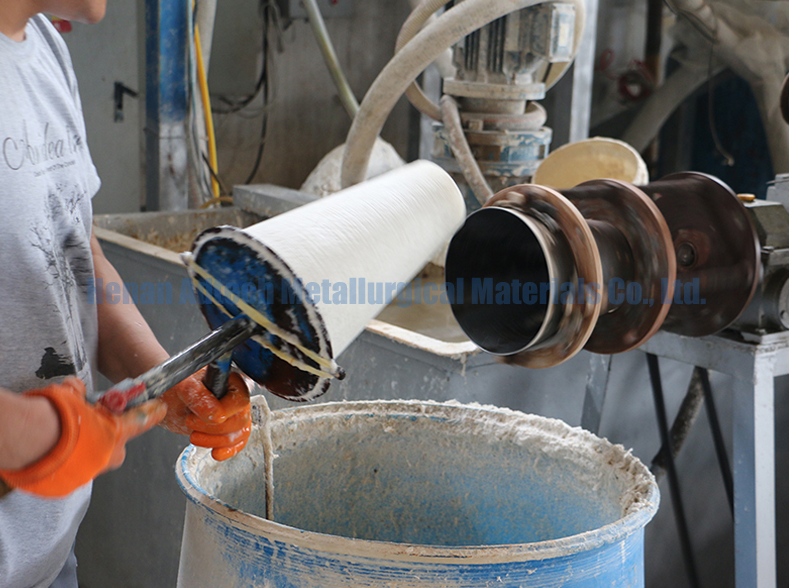
Ceramic foam filters are usually produced by coating a sacrificial polymer foam with a ceramic slurry, drying, and firing. After firing the polymer burns away leaving an open-cell ceramic skeleton. Key quality parameters:
-
chemical composition and phase purity
-
pore size uniformity and connectivity
-
mechanical strength and resistance to thermal shock
-
consistent dimensional tolerance for filter housings.
Selection matrix: which cone or filter to use
Quick decision table
| Application area | Product type | Key selection criteria |
|---|---|---|
| Pottery kilns, laboratory firing | Pyrometric cone | Cone number (heatwork), firing schedule, kiln type |
| Aluminum foundry pouring | Alumina foam filter | PPI, thickness, chemical compatibility, flow rate |
| Steel or high-temp alloys | Zirconia / SiC foam filter | Max service temperature, erosion resistance |
| Witnessing or QA of firings | Pyrometric cone (sets) | Use triple-cone pack for guard/guide/firing |
When selecting a foundry filter match material chemistry and maximum operating temperature. For pyrometric cones select a cone matching the body and glaze maturity and confirm with your firing schedule and record-keeping.
Installation, handling and best practices
For pyrometric cones
-
Position cones so they see the same atmosphere and heatwork as your wares.
-
If using a kiln sitter, confirm the cone grade recommended by the kiln manufacturer.
-
Use witness cones on each shelf for consistent data logging.
For foundry filters
-
Seal filters properly to prevent metal bypass.
-
Use appropriate filter box design to avoid premature breakage.
-
Avoid excessive turbulence upstream which can reduce filtration efficiency.
-
Preheating filters or using preheated gating can reduce thermal shock.
Performance metrics and monitoring
Pyrometric cones
Performance is qualitative and visual. Track cone behavior alongside thermocouple logs to build an accurate process history. For lab environments use cones with tighter tolerances or couple cone readings with thermocouple validation.
Foundry filters
Key metrics:
-
inclusion capture rate (measured via metallography)
-
pressure drop and flow rate under pour conditions
-
filter integrity after exposure to molten metal
-
reduction in scrap and rework rates.
Routine sampling and quality audits are recommended to confirm filter performance in production.
Comparison: pyrometric cones versus foundry ceramic filters
| Characteristic | Pyrometric cone | Foundry ceramic filter |
|---|---|---|
| Primary purpose | Measure heatwork / firing maturity | Remove inclusions and control flow |
| Typical users | Potters, ceramic labs, kilns | Foundry engineers, metal casters |
| Measurement style | Visual deformation (qualitative) | Quantitative effect on metal cleanliness |
| Operating environment | Up to typical kiln firing temperatures | Molten metal, varying compositions and high shear |
| Manufacturing | Calibrated ceramic body | Reticulated ceramic skeleton from foam replica process |
| Standards / specs | Cone numbers and catalogs | PPI, material chemistry, mechanical strength |
Typical specification table for foundry filters
| Filter material | Typical max service temp (approx) | Common alloys |
|---|---|---|
| Alumina | up to ~1200°C (2192°F) | Aluminum alloys |
| Silicon carbide | ~1400°C and above depending on grade | Iron, non-ferrous, some steels |
| Zirconia | >1500°C typical | High-temp steels, superalloys |
Note these are general guidelines. Exact temperature limits depend on formulation and local conditions. Always check manufacturer datasheets for design values.
Environmental, safety and cost considerations
-
Ceramic filters reduce scrap and downstream waste but add per-pour consumables cost. The total cost of ownership is typically favorable when filter use reduces rework and increases yield.
-
Handling of used filters and furnace residues must follow local environmental regulations.
-
For pyrometric cones, disposal is low risk; for foundry filters there can be adhered dross and oxide remnants needing proper industrial disposal.
Tables summary (quick reference)
Table A. When to use which ceramic cone
| Need | Use |
|---|---|
| Determine kiln maturity for a specific glaze | Pyrometric cone matching intended cone number |
| Improve aluminum casting surface and structural integrity | Alumina ceramic foam filter, choose PPI by alloy and pour speed |
| Cast high-temperature alloys with extreme erosive melts | Zirconia or high-grade SiC foam filter |
Table B. Common PPI to application mapping
| PPI (pores per inch) | Typical use |
|---|---|
| 10–15 | Coarse filtration, high flow, less restriction |
| 20 | General foundry use balancing capture and flow |
| 30–40 | Fine filtration for precision castings, slower flow |
Kiln Control & Foundry Operations FAQ
1. What is the difference between a pyrometric cone and a kiln thermocouple?
2. Can I reuse a ceramic foundry filter?
3. Which cone should I use for stoneware?
4. How do I choose filter PPI for aluminum casting?
5. Are ceramic foam filters compatible with all alloys?
6. Do pyrometric cones need calibration?
7. What are signs a foundry filter failed during a pour?
- Uneven or surging metal flow.
- Metal bypassing the filter seals (seepage).
- Physical filter fracture found in the gating system.
- Persistent inclusions discovered in the finished casting during QA.
8. Can I put cones directly on glazed ware?
9. How do I dispose of used ceramic filters safely?
10. What records should a foundry keep about filter use?
- Filter type, PPI, and batch/lot number.
- Pour temperatures and conditions.
- Inclusion rates from QA sampling.
- Overall scrap rates per batch.
Sources and selected references
Key authoritative sources referenced in this article:
-
Pyrometric cone overview and history.
-
Practical pyrometric cone usage and charts.
-
Ceramic foam filters for metal casting, materials and PPI guidance.
-
Foundry product pages and application notes including manufacturer guidance.