

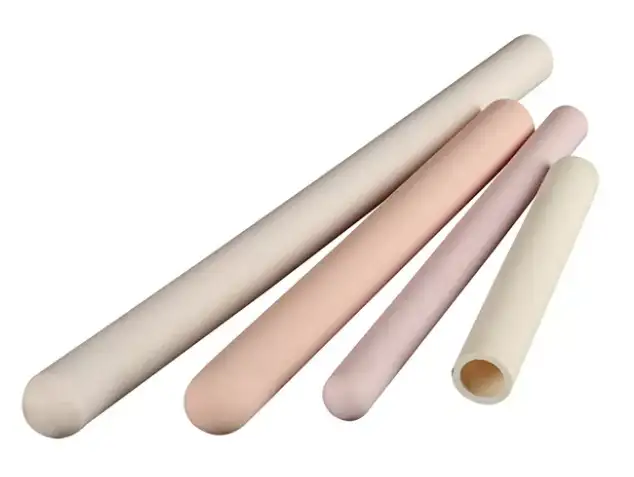
A thermocouple protection tube acts as the primary defense line for temperature sensors, shielding delicate thermocouple wires from mechanical damage, chemical corrosion, and extreme thermal shock in industrial environments. Its main function involves maintaining measurement accuracy while extending the operational lifespan of the sensor in conditions ranging from molten aluminum processing to petrochemical combustion. Selecting the correct tube material—whether Silicon Nitride (Si3N4), Alumina, or Silicon Carbide—determines the efficiency of thermal transfer and the frequency of maintenance cycles. ADtech manufactures these components to withstand temperatures exceeding 1,800°C, ensuring that process control remains uninterrupted and precise.
The Critical Role of Thermocouple Protection Tubes in Industry
Temperature sensing instruments function as the nervous system of modern manufacturing. However, the environments where these sensors operate often contain destructive elements. A bare thermocouple inserted into a furnace or a stream of molten metal would fail within seconds.
The protection tube serves three distinct engineering purposes:
-
Chemical Isolation: It prevents measuring junctions from reacting with the surrounding atmosphere. For example, sulfur gases in kilns can rapidly degrade platinum wires. The tube creates an impermeable barrier.
-
Mechanical Shielding: In high-velocity gas flows or turbulent molten fluids, physical stress can snap sensor wires. The tube provides the structural rigidity required to resist bending or breaking.
-
Electrical Insulation: Certain ceramic tubes offer high dielectric strength, preventing electrical interference from heaters or other machinery that could distort the temperature signal.
At ADtech, we prioritize the balance between protection and response time. A tube must be robust enough to survive but conductive enough to allow the sensor to register temperature changes quickly.
Material Science: Choosing the Correct Composition
Selecting the wrong material causes 90% of premature sensor failures. The choice depends entirely on the process medium, temperature range, and mechanical load.
1. Silicon Nitride (Si3N4)
This material represents the gold standard for non-ferrous molten metal applications, particularly aluminum and zinc casting. ADtech utilizes gas-pressure sintered Silicon Nitride to achieve near-zero porosity.
-
Key Advantage: It possesses exceptional non-wetting properties against molten aluminum. The metal does not stick to the tube, making cleaning unnecessary and preventing contamination.
-
Thermal Shock: Excellent. It can be dipped directly into molten metal without preheating.
2. Recrystallized Silicon Carbide (ReSiC)
Known for high thermal conductivity and strength, SiC is ideal for kiln furniture and atmospheres containing abrasive particles.
-
Key Advantage: It retains strength at very high temperatures (up to 1,600°C) and resists abrasion better than most ceramics.
-
Limitation: It offers poor electrical insulation, often requiring an inner alumina liner.
3. High-Purity Alumina (Al2O3 – C799)
Alumina serves as the standard for laboratory and high-temperature vacuum furnaces.
-
Key Advantage: It is chemically inert and withstands temperatures up to 1,700°C in oxidizing atmospheres.
-
Limitation: Poor thermal shock resistance. Rapid temperature changes will crack the tube.
4. Metal Alloys and Superalloys
For lower temperatures or high-pressure applications, metal tubes (like Stainless Steel 310 or Inconel 600) are used. They are ductile and less prone to catastrophic fracture compared to ceramics.
Table 1: Comparative Analysis of Protection Tube Materials
| Material Grade | Max Temp (°C) | Thermal Conductivity (W/m·K) | Thermal Shock Resistance | Main Application Field |
| Silicon Nitride (Si3N4) | 1,400 | 25-30 | Excellent | Molten Aluminum/Zinc |
| Silicon Carbide (SiC) | 1,650 | 30-40 | Good | Kilns, Incinerators |
| Alumina (99.7%) | 1,700 | 5-6 | Poor | Glass, Vacuum Furnaces |
| Inconel 600 | 1,150 | 15 | Excellent | Heat Treating, Chemical |
| Cast Iron | 800 | 45 | Moderate | Basic Melting (Low Cost) |
Thermowell vs. Protection Tube: Technical Distinctions
Engineers frequently confuse thermowells with protection tubes. While both house sensors, their construction and intended environments differ significantly.
A thermowell is typically machined from solid bar stock. It is designed to withstand high pressure (fluid velocity) in pipelines and vessels. The walls are thick, and the focus is on mechanical integrity against pressure.
A protection tube is usually fabricated (welded pipe) or cast/sintered (ceramic). The focus here is on high temperature and chemical corrosion resistance rather than high pressure. Protection tubes are used where pressure is atmospheric or low, but heat is extreme.
Table 2: Selection Matrix – Thermowell or Protection Tube?
| Feature | Thermowell | Protection Tube |
| Manufacturing Method | Machined from solid bar stock (drilled) | Fabricated pipe, Cast, or Sintered Ceramic |
| Pressure Rating | High (up to 5000+ PSI) | Low (Atmospheric to ~100 PSI) |
| Lag/Response Time | Slower (due to wall thickness) | Faster (thinner walls possible) |
| Primary Hazard | Fluid Velocity & Pressure | Heat & Corrosion |
| Standard Material | 316SS, Monel, Hastelloy | Ceramic, Silicon Carbide, Inconel |
| Cost | High (machining time) | Moderate (fabrication/molding) |
Dimensions and Geometric Specifications
Proper sizing ensures the sensor reaches the critical process point without interfering with equipment operation. ADtech provides standard dimensions that fit most global industrial interfaces.
When specifying dimensions, three factors matter:
-
Outer Diameter (OD): Determines the hole size required for installation and the structural strength.
-
Inner Diameter (ID): Must accommodate the thermocouple element. ADtech recommends an ID at least 1-2mm larger than the sensor to allow for expansion.
-
Immersion Length: The tube must extend far enough to eliminate heat conduction errors.
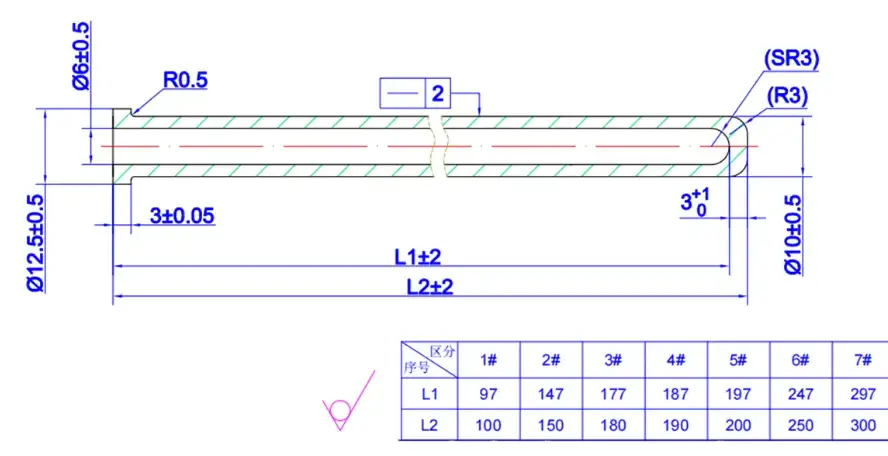
Table 3: ADtech Standard Ceramic Tube Dimensions
| Model Series | Outer Diameter (mm) | Inner Diameter (mm) | Standard Lengths (mm) | Wall Thickness (mm) |
| AD-SiN-Standard | 16 | 9 | 300, 500, 800, 1000 | 3.5 |
| AD-SiN-Heavy | 22 | 12 | 500, 800, 1000, 1200 | 5.0 |
| AD-SiC-Kiln | 25 | 15 | 600 – 1500 | 5.0 |
| AD-Alu-Lab | 10 | 6 | 200 – 600 | 2.0 |
| AD-Iron-Cast | 45 | 25 | 400 – 1000 | 10.0 |
Custom dimensions are available upon engineering review.
Case Study: Efficiency in Vietnam Aluminum Foundry (2023)
Project Context:
In April 2023, ADtech partnered with a mid-sized aluminum die-casting facility located near Hanoi, Vietnam. This facility supplies components for the automotive sector and operates six holding furnaces 24/7.
The Challenge:
The client utilized traditional cast iron protection tubes for their Type K thermocouples. These tubes suffered from rapid erosion due to the molten aluminum alloy (ADC12).
-
Replacement Rate: The cast iron tubes failed every 5 to 7 days.
-
Contamination: Iron from the degrading tubes leached into the aluminum melt, causing quality control issues with the final castings.
-
Downtime: Weekly maintenance required stopping the line for 45 minutes per furnace.
The ADtech Solution:
We deployed our AD-SiN-28 (Silicon Nitride) thermocouple protection tubes. These tubes possess a specialized density that resists wetting by aluminum.
Results (Validated October 2023):
-
Lifespan Extension: The ADtech Si3N4 tubes operated continuously for 6 months without failure, replacing 24 cast iron tubes per furnace.
-
Quality Improvement: Iron contamination dropped to zero, significantly lowering the scrap rate of the die-cast parts.
-
Cost Efficiency: Despite the higher initial cost of Silicon Nitride, the elimination of weekly replacements and reduced downtime resulted in a 280% ROI over the 6-month period.
Installation and Maintenance Best Practices
Even the highest quality material will fail if installed incorrectly. ADtech engineering teams recommend the following protocols to maximize longevity.
Vertical vs. Horizontal Installation
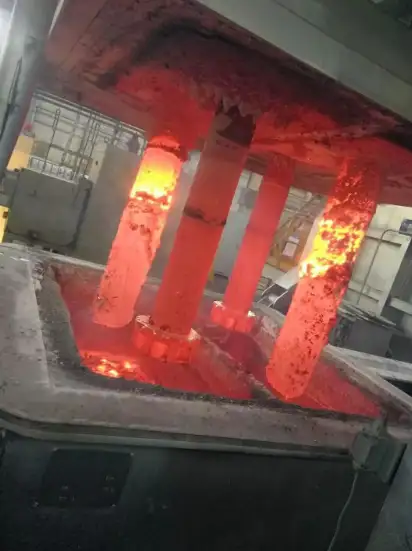
Vertical installation (hanging down) is always preferred for ceramic tubes. This position allows gravity to keep the tube straight. If horizontal installation is necessary (e.g., through a furnace wall), the tube must be supported if it exceeds a certain length (typically 600mm) to prevent sagging or creep deformation at high temperatures.
Preheating Protocols
While materials like Silicon Nitride withstand thermal shock, materials like Alumina and Zirconia do not.
-
Rule of Thumb: Pre-heat high-purity ceramic tubes to 300°C-400°C before full immersion into maximum process temperatures. This allows the material structure to expand uniformly, reducing internal stress.
Controlling the Atmosphere
Be aware of the chemistry inside your furnace.
-
Reducing Atmospheres: Platinum thermocouples deteriorate rapidly here. Use a high-purity Alumina tube to seal the sensor.
-
Vacuum Conditions: Porous ceramics will outgas and ruin the vacuum. Only dense, sintered Alumina (C799) should be employed.
Handling and Cleaning
Ceramic tubes are brittle.
-
Never strike a hot tube against the furnace wall to remove slag.
-
For Silicon Nitride tubes in aluminum, the metal should fall off naturally or be wiped gently with a refractory fiber cloth. Do not use metal scrapers.
Troubleshooting Common Failures
Understanding why a tube failed helps prevents recurrence.
-
Longitudinal Cracks: Usually caused by thermal shock. The tube was heated or cooled too rapidly. Solution: Use a material with better shock resistance (like SiC) or slow down the ramp rate.
-
Transverse (Circumferential) Cracks: Often mechanical stress. The tube was hit, or vibration from the machinery caused fatigue. Solution: Check mounting tightness and vibration dampening.
-
Melting/Bending: The temperature exceeded the material’s load softening point. Solution: Upgrade to a higher grade ceramic or install vertical supports.
-
Corrosion/Erosion: Physical removal of material by the medium. Solution: Switch material chemistry (e.g., from Metal to Ceramic for corrosive acids).
Advanced Applications: Beyond the Foundry
While molten metal is a primary use case, ADtech protection tubes serve vital roles in other sectors.
Cement Manufacturing
In the rotary kiln, temperatures fluctuate wildly, and the atmosphere is filled with abrasive clinker dust. Our Silicon Carbide tubes protect sensors from the “sandblasting” effect of the dust while reading temperatures up to 1,400°C.
Petrochemical Processing
Sulfur recovery units and gasifiers require materials that resist sulfidation. ADtech supplies high-chromium alloy tubes and Sapphire (single crystal alumina) tubes for extreme chemical inertness in these volatile zones.
Glass Industry
The glass melt is highly corrosive to most ceramics. Platinum-clad (thimble) tubes or Molybdenum cermet tubes are often required. ADtech provides high-purity Alumina specifically for the forehearth where temperature control governs glass viscosity.
Frequently Asked Questions (FAQs)
Thermocouple Protection Tubes: High-Heat Reliability FAQ
1. What is the maximum temperature for standard protection tubes?
- 900°C Stainless Steel: General industrial use.
- 1150°C Inconel 600: High-temperature oxidation resistance.
- 1650°C Silicon Carbide (SiC): Excellent thermal conductivity and heat resistance.
- 1700°C+ High-Purity Alumina (Al2O3): Best for extreme heat and chemical inertness.
2. How do I know if I need a ceramic or metal protection tube?
Choose Metal (Inconel, SS) if: You need durability against physical impact, high pressure, or the temperature is below 1100°C. Metal is better for rugged environments where the sensor might be bumped.
Choose Ceramic (Alumina, SiC) if: You are operating above 1100°C, or the environment contains corrosive gases, molten metals, or sulfur, which quickly destroy metal tubes.
3. Can I repair a cracked ceramic protection tube?
4. Why does my Alumina tube break when inserted into the hot furnace?
This is Thermal Shock. Alumina is a poor conductor of heat and expands unevenly if heated too fast.
Solution: You must preheat the tube or insert it very slowly—we recommend an insertion rate of no more than 10cm per minute—to allow the material to expand gradually.
5. Does the protection tube affect the temperature reading accuracy?
The tube does not change the accuracy of the sensor itself, but it does affect the response time (thermal lag). A thick-walled tube acts as an insulator, delaying the heat from reaching the sensor. For processes requiring rapid feedback, use the thinnest wall possible that still maintains structural safety.
6. What is the best tube material for molten Aluminum?
7. How should I store spare ceramic tubes to avoid damage?
8. Can ADtech provide custom-length protection tubes?
9. What is “outgassing” in protection tubes?
10. Do I need a special coating on my protection tube?
Conclusion: Precision Starts with Protection
The reliability of your thermal data is only as good as the thermocouple protection tube guarding the sensor. Whether you are casting automotive parts in Vietnam or monitoring kiln temperatures in Europe, the cost of a failed tube far exceeds the price of the component itself—it is measured in lost production and compromised quality.
ADtech stands at the forefront of material engineering, delivering protection solutions that defy extreme heat and corrosion. By transitioning from generic options to application-specific materials like Silicon Nitride or High-Purity Alumina, facility managers ensure process stability and equipment longevity.