

The most effective refractory lining material for aluminum melting operations is a low-cement or ultra-low-cement castable containing 60% to 85% alumina, fortified with specific anti-wetting additives such as barium sulfate or calcium fluoride. These formulations resist molten aluminum penetration and prevent the formation of corundum growth, which is the primary cause of lining failure. While traditional high-alumina bricks remain useful for upper zones and roofs, the industry has shifted toward monolithic refractories for the hearth and lower walls due to their superior integrity and reduced joint lines where liquid metal attacks. AdTech recommends prioritizing materials with low porosity and high thermal shock resistance to ensure operational efficiency and minimize downtime.
The Critical Role of Refractory Linings in Aluminum Processing
Aluminum melting creates one of the most aggressive environments for industrial ceramics. The molten metal is highly reactive. It reduces many oxides found in standard refractories. This chemical attack leads to structural degradation and contamination of the alloy.
Selecting the right lining is not just about heat containment. It is about chemistry. The lining must act as a neutral barrier. It cannot interact with the melt. If the material allows wetting, the aluminum will penetrate the pores. This penetration triggers a reaction that converts the lining into corundum (aluminum oxide). This transformation expands the volume of the material. The result is cracking, spalling, and eventual furnace failure.
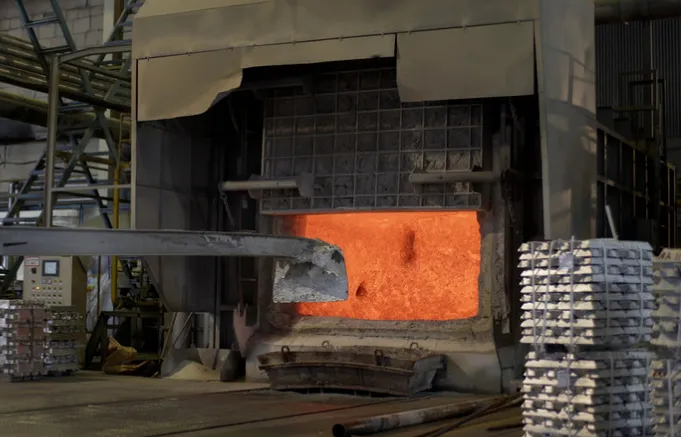
AdTech emphasizes that the longevity of a furnace depends on matching the material properties to the specific zone of the furnace. The hearth faces liquid metal contact. The roof faces thermal radiation. The ramp area faces mechanical impact from loading.
Key Properties of High-Performance Refractories
To select the correct material, plant managers must evaluate specific physical and chemical characteristics.
Chemical Inertness and Anti-Wetting
The most vital property is resistance to wetting. Aluminum has a low viscosity and high fluidity. It easily infiltrates porous structures. Refractories must contain non-wetting agents. These additives change the surface tension at the interface between the refractory and the liquid metal. Common additives include:
-
Barium Sulfate (BaSO4)
-
Calcium Fluoride (CaF2)
-
Boron Nitride (Used in specialized washes)
These components create a microscopic barrier. They stop the chemical reduction of silica by aluminum.
Thermal Shock Resistance
Furnaces undergo cycles. They heat up and cool down during cleaning or alloy changes. The lining expands and contracts. If the material is too rigid, it will crack. Materials with optimized aggregate sizing and bonding matrices absorb this stress.
Mechanical Strength
The charging process involves dropping heavy ingots or scrap into the furnace. The ramp and hearth must withstand this physical impact. Materials with high cold crushing strength (CCS) and high modulus of rupture (MOR) are essential here.
Types of Refractory Lining Materials
The market offers several categories of refractories. Understanding the distinction between shaped and monolithic materials is necessary for making an informed purchase.
Monolithic Castables (The Modern Standard)
Castables have become the preferred choice for the belly and floor of melting furnaces. They eliminate joints. Joints are the weak points where aluminum usually begins its attack.
Low Cement Castables (LCC):
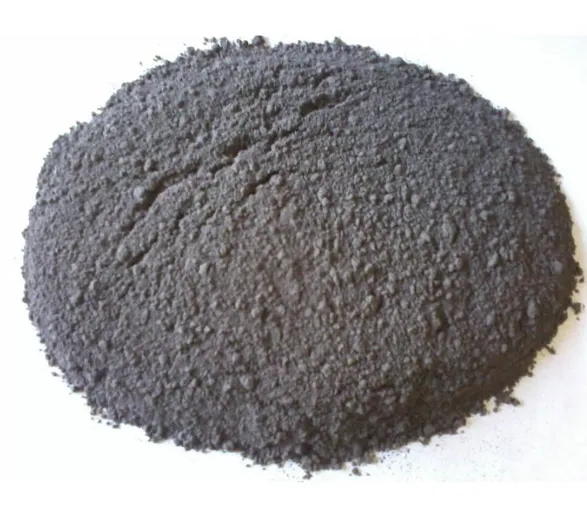
These contain less lime (CaO) than traditional castables. Lower lime content means better high-temperature strength. They have lower porosity. This density makes it harder for aluminum to penetrate.
Ultra-Low Cement Castables (ULCC):
These offer even higher density. They are extremely resistant to abrasion. AdTech often suggests these for the ramp areas where scrap is loaded.
Insulating Castables:
These are not used for direct metal contact. They are placed behind the dense working lining. They retain heat inside the furnace. This improves energy efficiency.
High Alumina Bricks
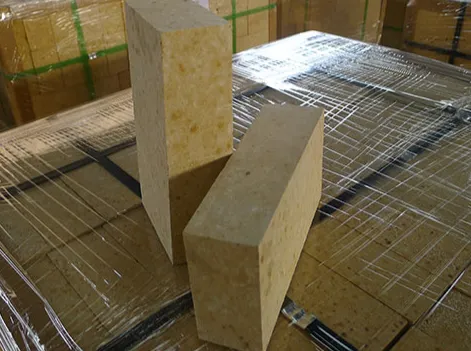
Phosphate-bonded high alumina bricks are still used. They are common in the upper walls and roof. They are cost-effective. However, the mortar joints between bricks remain a vulnerability. Molten aluminum attacks the mortar first. Once the mortar is compromised, the bricks loosen and float.
Plastic Refractories
These are moldable materials used for repairs. They are excellent for patching cracks or worn areas like the jambs and sills. They bond well to existing fired refractories.
Table 1: Comparison of Refractory Material Types
| Material Type | Primary Application | Resistance to Al Penetration | Mechanical Strength | Installation Speed |
| Low Cement Castable | Hearth, Lower Walls | High (with additives) | Very High | Moderate (requires curing) |
| Phosphate Bonded Brick | Upper Walls, Roof | Moderate | High | Slow (requires skilled masonry) |
| Insulating Board/Brick | Backup Lining | None (cannot touch metal) | Low | Fast |
| Plastic Refractory | Repairs, Spouts | Moderate | Moderate | Fast |
| Fused Cast Block | High-wear zones | Extreme | Extreme | Slow (heavy lifting) |
The Mechanics of Corundum Growth
Understanding corundum growth is vital for prevention. It is a cancer for aluminum furnaces.
The reaction begins when molten aluminum penetrates the refractory pores. It reacts with free silica (SiO2) or other unstable oxides. The chemical equation generally follows this reduction process:
4Al + 3SiO2 → 2Al2O3 + 3Si
The product, , is corundum. It is extremely hard. The issue is not the hardness. The issue is the volume expansion. The corundum takes up more space than the original components. This creates immense internal pressure. It causes the lining to heave and buckle.
Prevention Tactics:
-
Reduce Silica: Use high-alumina formulas with low free silica content.
-
Add Barriers: Incorporate the anti-wetting agents mentioned earlier.
-
Temperature Control: Excessive superheating accelerates the reaction.
Zoning the Furnace: Material Selection by Area
A single material rarely works for the entire furnace. A zoned approach optimizes cost and performance.
The Hearth (Floor)
This is the most critical zone. It holds the liquid pool 24/7.
-
Requirement: Maximum resistance to penetration.
-
Recommendation: 80-85% Alumina Low Cement Castable with Barium Sulfate.
The Belly Band (Slag Line)
This area sees the fluctuation of the metal level. It faces chemical attack from fluxes and mechanical cleaning tools.
-
Requirement: abrasion resistance and chemical stability.
-
Recommendation: Fused mullite based castables or Silicon Carbide (SiC) blocks. Silicon carbide is excellent here because aluminum does not wet it easily.
Upper Walls and Roof
These areas see radiant heat but no liquid metal contact.
-
Requirement: Thermal insulation and structural stability.
-
Recommendation: 60-70% Alumina Bricks or Gunite mixes. Gunite is sprayed on, which makes installation faster for large roof areas.
The Backup Lining
Behind the working face, insulation is key.
-
Requirement: Low thermal conductivity.
-
Recommendation: Ceramic fiber boards or lightweight insulating bricks. This layer stops heat from damaging the steel shell of the furnace.
Installation: The Defining Factor of Success
Even the best material will fail if installed poorly. AdTech notes that 50% of lining failures are due to installation errors, not material defects.
Water Control
For castables, water addition must be precise. Too much water leaves voids (pores) when it evaporates. These voids become pathways for aluminum. Too little water prevents proper bonding.
Vibration
Vibration removes trapped air bubbles. It ensures the material packs densely. However, over-vibration causes segregation. The heavy aggregates sink, and the water rises. This creates a weak surface layer.
Baking and Curing (Sintering)
The dry-out schedule is non-negotiable. The water must be removed slowly. If the temperature rises too fast, the trapped water turns to steam. The pressure builds up and explodes the lining. This is known as explosive spalling. A controlled heating curve over several days is mandatory.
Table 2: Recommended Chemical Composition for Hearth Refractories
| Component | Recommended % Range | Function |
| Alumina (AI2O3) | 75% – 85% | Primary refractoriness and strength. |
| Silica (SiO2) | < 10% | Kept low to prevent reduction by aluminum. |
| Cement (CaO) | 1.5% – 2.5% | Bonding agent. Kept low for high-temp strength. |
| Anti-Wetting Agent | 2% – 5% | Prevents metal penetration. |
Iron Oxide ( |
< 1.5% | Impurity. Must be minimized to prevent alloy contamination. |
Case Study: Extending Furnace Campaign Life in Southeast Asia
Client Profile: A mid-sized aluminum die-casting facility.
Location: Penang, Malaysia.
Time: Project initiated March 2023, Reviewed March 2024.
Problem:
The client was using a standard 60% alumina brick lining for their 20-ton reverberatory furnace. They faced severe corundum growth after only 6 months. The growth reduced the furnace capacity by 15%. This forced them to shut down for mechanical cleaning every 4 weeks. The downtime was costing them significant production volume.
The Solution:
The engineering team proposed a monolithic upgrade.
-
Demolition: The brick lining was completely removed.
-
Material Switch: AdTech recommended a local supplier provide an 80% Alumina Low Cement Castable fortified with Barium Sulfate.
-
Zoning: The impact ramp was reinforced with a generic fused-alumina castable for higher impact strength.
-
Insulation: A double layer of ceramic fiber board and microporous insulation was installed against the shell.
The Result (One Year Later):
By March 2024, the furnace had operated for 12 months continuously.
-
Corundum Growth: Negligible.
-
Cleaning: The cleaning cycle moved from 4 weeks to 12 weeks.
-
Shell Temp: Dropped from 110°C to 75°C, indicating better insulation.
-
ROI: The material cost was 20% higher than bricks, but the reduction in downtime paid for the upgrade in 3 months.
Maintenance Strategies to Prolong Lining Life
Routine maintenance is not an option; it is a requirement.
Daily Cleaning
Fluxing creates dross. Dross adheres to the walls. If this dross is not removed daily, it hardens. It sinters into the refractory. When operators try to chip it off later, they will pull chunks of the refractory wall with it.
Flux Management
Fluxes are necessary for cleaning aluminum, but they are corrosive. Sodium and potassium salts in fluxes attack the refractory matrix. Operators should apply flux precisely to the metal surface, avoiding direct contact with the walls whenever possible.
Thermography Scans
Use infrared cameras to scan the furnace shell. Hot spots on the steel shell indicate that the refractory lining inside has thinned or cracked. This early warning allows for planned patch repairs rather than emergency shutdowns.
AdTech’s Perspective on Total Melt Quality
While AdTech is renowned for ceramic foam filters and degassing units, we understand that melt quality starts with the furnace lining. A degrading lining introduces solid inclusions into the melt. Pieces of refractory brick or castable that break off become hard inclusions in the final casting. These ruin tools and cause rejection of parts.
Therefore, investing in high-quality refractory lining material is a direct investment in metal cleanliness. It complements the filtration systems. If the furnace sheds particles, the filters clog faster. A stable lining means cleaner metal reaches the launder system.
Troubleshooting Common Refractory Issues
When things go wrong, quick diagnosis saves money.
Table 3: Refractory Failure Analysis
| Symptom | Probable Cause | Corrective Action |
| Spalling (Flaking off) | Thermal shock or steam explosion during heat-up. | Slow down heating curves. Use materials with better thermal shock resistance. |
| Corundum Growth | Metal penetration due to lack of anti-wetting agents. | Switch to non-wetting castables. Clean walls more frequently. |
| Shell Redness (Hot Spots) | Insulation failure or lining collapse. | Infrared scan to localize. Inject pumpable insulation or patch repair. |
| Slag Line Erosion | Chemical attack from aggressive flux. | Use Silicon Carbide (SiC) or fused mullite in the belly band. |
| Cracks in Corners | Mechanical stress or poor expansion joints. | Ensure proper expansion allowance (cardboard spacers) during installation. |
Cost Analysis: Cheap vs. Quality Materials
Procurement departments often push for the lowest price per ton. This is a false economy in the refractory world.
Scenario A: Cheap Material
-
Cost: $800/ton.
-
Life: 12 months.
-
Repairs: 4 times/year.
-
Downtime cost: High.
Scenario B: Premium Non-Wetting Castable
-
Cost: $1,400/ton.
-
Life: 36 months.
-
Repairs: 1 time/year.
-
Downtime cost: Low.
Over a 3-year period, Scenario B costs significantly less. The material cost is a fraction of the installation labor and the lost production time. AdTech advises clients to look at the “Total Cost of Ownership” rather than the sticker price of the bags.
Future Trends in Aluminum Refractories
The industry is moving toward “Nano-engineered” refractories. These materials use nanotechnology to reduce pore size even further. This makes physical penetration by aluminum atoms nearly impossible. Additionally, pre-cast shapes are gaining popularity. Instead of casting the floor in-situ, blocks are cast and fired in a controlled factory environment, then assembled on-site. This guarantees the properties of the material are perfect, removing the variable of on-site mixing errors.
Frequently Asked Questions (FAQs)
1. What is the best refractory material for aluminum melting furnaces?
The best material is generally a low-cement castable with 60-85% alumina content, treated with anti-wetting additives like barium sulfate or calcium fluoride to prevent metal penetration.
2. Why does molten aluminum damage refractory linings?
Molten aluminum is chemically active. It reduces the silica in the lining to form silicon and aluminum oxide (corundum). This reaction causes volume expansion, leading to cracking and structural failure.
3. What is corundum growth in aluminum furnaces?
Corundum growth is a mushroom-like formation of aluminum oxide on the furnace walls. It is caused by the reaction between the aluminum melt and the refractory. It reduces furnace capacity and is very hard to remove.
4. How long should a furnace lining last?
A well-installed and maintained lining in an aluminum reverberatory furnace should last between 3 to 5 years. However, high-wear zones like the ramp may need repairs every 12 to 18 months.
5. Can I use fireclay bricks for aluminum melting?
Fireclay bricks are generally not recommended for direct contact with molten aluminum because they have high silica content. They are prone to severe chemical attack and corundum growth.
6. What is the purpose of baking out a new lining?
Baking out removes the physical and chemically bonded water from the castable. If this is done too fast, the water turns to steam and causes the lining to explode. It sinters the material to achieve full strength.
7. How do I prevent dross from sticking to the walls?
Using a refractory with anti-wetting additives helps. Additionally, regular mechanical cleaning (every shift) prevents the dross from adhering permanently to the walls.
8. What is the difference between castable and plastic refractory?
Castables are like concrete; they are mixed with water and poured into molds. Plastic refractories are like stiff clay; they are rammed into place with air hammers and are great for patches and repairs without forms.
9. How does flux affect the refractory lining?
Fluxes contain salts that lower the melting point of dross but also chemically attack the refractory bond. Over-fluxing or applying flux directly to the wall accelerates erosion.
10. Why is insulation important behind the refractory?
Insulation keeps the heat inside the furnace, reducing fuel costs. It also keeps the outer steel shell cool, preventing it from warping or failing due to thermal stress.
Summary
Selecting the correct refractory lining material for aluminum melting is a decision that dictates the profitability of the casting operation. By shifting away from standard bricks to advanced low-cement castables with anti-wetting technology, processors effectively stop corundum growth. This choice extends the campaign life of the furnace, ensures cleaner metal by reducing inclusions, and lowers energy consumption. AdTech advocates for a scientific approach: analyze the zone, select the specific chemistry, and execute a flawless installation. This formula guarantees operational excellence in the demanding world of aluminum processing.