

Ceramic coatings for refractories rated to 3000°F (1650°C) are high-emissivity surface treatments applied to furnace linings, kiln walls, ceramic fiber blankets, castable refractories, and firebrick surfaces to improve thermal efficiency, extend refractory service life, resist chemical attack, and reduce fuel consumption by 8–25% — with the most technically advanced formulations including boron nitride (BN) coatings, alumina-silica ceramic washes, zirconia-based high-emissivity coatings, and silicon carbide refractory coatings, all of which are available from AdTech in ready-to-apply liquid form with emissivity values reaching 0.90–0.95 at operating temperature, making them one of the highest-return maintenance investments available to industrial furnace operators today.
If your project requires the use of Ceramic Coating for Refractories, you can contact us for a free quote.
At AdTech, we have supplied refractory ceramic coatings to foundries, heat treatment facilities, petrochemical plants, glass manufacturers, and ceramic kilns across multiple continents. The recurring observation from plant engineers who switch from uncoated to coated refractory surfaces is consistent: fuel savings materialize within the first few firing cycles, refractory surface degradation slows measurably, and maintenance intervals extend significantly. But the specific coating chemistry, application method, and cure protocol matter enormously — the wrong coating on the wrong substrate at the wrong thickness performs poorly and creates a false impression that ceramic coatings do not work.
What Is a High-Emissivity Ceramic Coating and Why Does It Matter at 3000°F
A ceramic coating for refractories is a thermally stable inorganic surface treatment applied to the hot face of furnace linings, kiln walls, and other refractory substrates. Unlike paints or polymer-based coatings that burn off at moderate temperatures, ceramic coatings are formulated from inorganic oxides, carbides, nitrides, and silicates that remain chemically and physically stable at temperatures reaching 3000°F (1650°C) and beyond.
The “high emissivity” designation refers to a specific thermal physics property: emissivity (ε) is the ratio of thermal radiation emitted by a surface compared to the theoretical maximum emission from a perfect blackbody at the same temperature. A blackbody has ε = 1.00; a perfect mirror has ε = 0.00. Most bare refractory surfaces have emissivity values of 0.30–0.65, meaning they radiate only 30–65% of the maximum possible thermal energy. High-emissivity ceramic coatings raise this value to 0.85–0.95, fundamentally changing the energy balance inside the furnace.
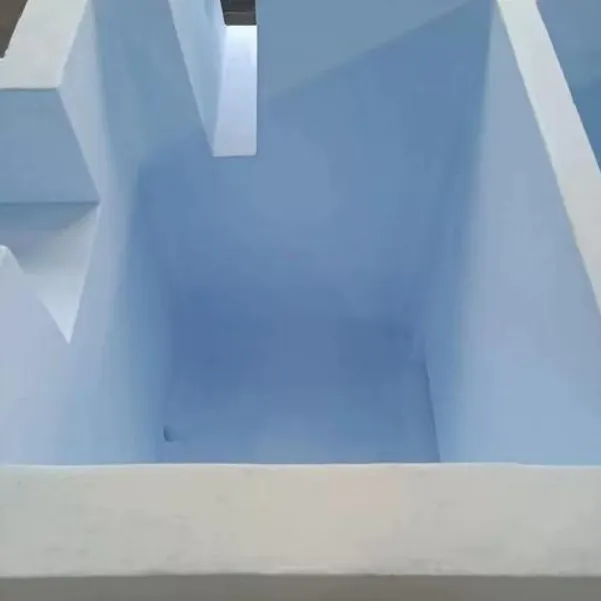
Why Emissivity Matters in Industrial Furnaces
In a high-temperature furnace operating at 2200–3000°F, the dominant heat transfer mechanism is thermal radiation, not convection or conduction. Radiation heat transfer scales with the fourth power of absolute temperature (Stefan-Boltzmann law: Q = ε σ T⁴). This mathematical relationship means that at 2500°F (1371°C), doubling the effective emissivity of a furnace lining more than doubles the radiant heat transfer to the product being heated.
The practical consequences of increasing furnace lining emissivity from 0.45 (typical bare ceramic fiber) to 0.92 (high-emissivity coated surface):
- Radiant heat flux to product increases by approximately 90–110% for a given furnace gas temperature.
- The same product heating rate can be achieved at lower furnace temperature — reducing fuel input.
- Alternatively, faster heating at the same fuel input increases throughput.
- More uniform temperature distribution within the furnace chamber, as high-emissivity walls redistribute radiant energy more evenly.
At AdTech, we document fuel savings of 8–25% in independently monitored furnace trials following high-emissivity ceramic coating application. The wide range reflects the variation in baseline furnace efficiency, firing profile, and product load — installations with older, more thermally inefficient furnaces show larger savings because there is more waste heat to recover.
The Protective Function Beyond Energy Efficiency
High-emissivity performance is the headline benefit, but ceramic coatings serve equally important protective roles on 3000°F refractory surfaces:
Chemical attack resistance: Furnace atmospheres containing alkali vapors (from combustion of biomass fuels, cement kiln raw materials, or glass batch), sulfur compounds, and molten slag attack bare refractory surfaces at high temperatures. A dense ceramic coating creates a chemical barrier that slows or prevents this attack, extending refractory service life.
Erosion resistance: Gas velocity in combustion chambers and heat treatment furnaces creates mechanical erosion of bare ceramic fiber blanket and castable refractory surfaces. Coatings densify and harden the surface, reducing fiber loss from ceramic fiber substrates and preventing surface spalling of castable refractories.
Sintering of ceramic fiber surfaces: Ceramic fiber blanket exposed to temperatures near its classification limit begins losing surface fiber through crystallization and embrittlement. A ceramic coating applied to the fiber surface stabilizes it by providing a bonded matrix that holds surface fibers in place through multiple thermal cycles.
Chemistry and Composition of Ceramic Coatings for High-Temperature Refractories
The Inorganic Chemistry Foundation
All effective 3000°F ceramic refractory coatings share a fundamental chemistry: they are formulated exclusively from inorganic compounds with melting points or decomposition temperatures well above the maximum service temperature. The specific inorganic systems used include:
Alumina-silica systems: Based on colloidal alumina (Al₂O₃), colloidal silica (SiO₂), or mullite (3Al₂O₃·2SiO₂) binders. These provide chemical compatibility with most refractory substrates and good adhesion. Maximum reliable service temperature approximately 2700°F (1480°C). Best suited for ceramic fiber blanket, light castable refractory, and alumina brick substrates.
Zirconia systems: Based on stabilized zirconia (ZrO₂) with yttria or ceria stabilizers. Zirconia provides excellent high-emissivity values (ε = 0.85–0.93 at temperature), good thermal shock resistance, and service capability to 3000°F (1650°C). More expensive than alumina-silica coatings but justified in continuous high-temperature applications.
Silicon carbide systems: SiC-based coatings provide high thermal conductivity, good oxidation resistance at high temperatures (forming a protective SiO₂ surface layer), and excellent abrasion resistance. Service temperature to 2900°F (1590°C) in oxidizing atmospheres. Particularly effective on SiC and dense refractory brick substrates.
Boron nitride systems: BN coatings (including AdTech’s proprietary BN Coating formulation) provide unique non-wetting properties against molten metals and glasses, combined with high thermal stability to 2700°F (1480°C) in inert or reducing atmospheres. The hexagonal BN structure provides a lubricious surface that resists metal adhesion. We discuss AdTech BN Coating in detail in a dedicated section below.
Spinel and complex oxide systems: Magnesium aluminate spinel (MgAl₂O₄) and other complex oxides provide specialized performance in specific chemical environments, particularly where slag resistance is the primary requirement.
Binder Systems and Their Temperature Limits
The binder in a liquid ceramic coating formulation determines how the coating adheres to the substrate during application and drying, and what bonds it together during high-temperature service:
| Binder Type | Working Mechanism | Max Reliable Temp | Substrate Suitability |
|---|---|---|---|
| Colloidal silica | Silica gel formation on drying; sintering at temp | 2550°F (1400°C) | Ceramic fiber, castable, firebrick |
| Colloidal alumina | Alumina gel; sintering to corundum at temp | 3000°F (1650°C) | Dense brick, SiC refractory |
| Phosphate binder | Chemical bond via phosphate reaction | 2700°F (1480°C) | Dense castable, firebrick |
| Calcium aluminate | Hydraulic setting + high-temp ceramic bond | 3000°F+ (1650°C+) | High-alumina brick, dense castable |
| Alkali silicate | Na or K silicate glass formation | 2190°F (1200°C) | Lower-temperature applications only |
| Organic + inorganic hybrid | Organic carrier burns off; inorganic remains | Varies by system | Universal application |
Key Performance Additives
Beyond the base ceramic and binder system, high-performance refractory coatings incorporate functional additives:
Iron oxide (Fe₂O₃) and manganese oxide (MnO₂): High emissivity pigments. Iron oxide has emissivity of 0.85–0.96 across a wide temperature range; manganese oxide provides similar performance. These pigments are the primary contributors to the high-emissivity values in commercial refractory coatings.
Titanium dioxide (TiO₂): Provides UV reflectance (less relevant at high temperature) and contributes to high emissivity in the infrared spectrum. Also improves coating density and reduces porosity.
Alumina microspheres: Hollow or solid alumina spheres in the 10–100 µm range reduce coating density while maintaining surface hardness, reducing thermal stress from coating thermal mass.
Sintering aids: Small quantities of rare earth oxides (lanthanum, cerium) or alkaline earth oxides (BaO, CaO) promote densification during initial firing, improving coating adhesion and surface hardness.
Types of Ceramic Coating Products: BN Coating, Zirconia Wash, SiC Coating, and Alumina Ceramic Wash
Alumina-Based Ceramic Wash (All-Purpose Refractory Coating)
Alumina ceramic wash is the most widely used refractory surface coating in industrial furnace applications. It is a colloidal alumina or alumina-silica suspension that is brushed, sprayed, or rolled onto refractory surfaces and fires to a hard, adherent ceramic layer during initial heat-up.
Primary uses: Ceramic fiber blanket protection and emissivity enhancement, light castable refractory surface hardening, firebrick sealing, furnace atmosphere containment, and general-purpose surface protection.
Application characteristics:
- Ready-to-use liquid consistency (brush-grade) or dilutable for spray application.
- Coverage rate: 0.15–0.25 kg per square meter at standard film thickness.
- Color: typically white to off-white; becomes buff or cream after firing.
- Cure: air-dry 2–4 hours; full ceramic bond develops at 800–1200°F during first heat-up.
- Shelf life: 12 months from manufacture in sealed container.
Zirconia High-Emissivity Coating
Zirconia-based refractory coatings represent the premium performance tier for 3000°F applications. Zirconia’s low thermal conductivity (approximately 2 W/mK at 1000°C, versus alumina’s 5–8 W/mK) combined with high infrared emissivity makes it exceptionally effective at absorbing and re-radiating heat within furnace chambers.
Primary uses: Heat treatment furnace linings where energy efficiency is the primary driver, glass melting furnace walls, ceramic kiln interiors, and any application where maximum emissivity enhancement justifies the premium cost.
Application characteristics:
- Higher viscosity than alumina wash; spray application preferred.
- Coverage rate: 0.20–0.35 kg per square meter (heavier coating for full emissivity benefit).
- Color: white to cream; maintains light color at temperature (unlike iron-oxide pigmented coatings).
- Cure: air-dry 4–6 hours; full performance requires firing to above 1800°F.
Silicon Carbide Refractory Coating
SiC coatings for refractories provide a combination of abrasion resistance, thermal conductivity enhancement, and chemical resistance not achievable with oxide-based coatings. In oxidizing furnace atmospheres, SiC coatings form a thin protective SiO₂ glass layer at the surface that provides both corrosion resistance and high emissivity.
Primary uses: SiC kiln furniture protection, dense refractory brick in high-abrasion environments (rotary kilns, fluidized bed combustors), iron foundry cupola linings, and applications where metal splash or mechanical abrasion is present alongside high temperature.
Application characteristics:
- Available in brush and spray consistency.
- Coverage rate: 0.25–0.40 kg per square meter.
- Color: gray; darkens with SiC content.
- Service limitation: not suitable for reducing atmospheres at very high temperatures (SiC oxidizes; use zirconia or BN coatings instead)
Boron Nitride (BN) Release Coating
Boron nitride coatings occupy a specialized performance niche that differs fundamentally from emissivity-enhancement coatings. Rather than maximizing heat absorption and re-radiation, BN coatings provide a non-wetting, non-reactive surface that prevents molten metals, glasses, and ceramics from adhering to refractory and mold surfaces.
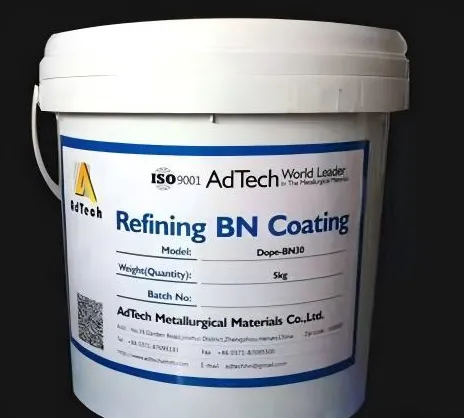
AdTech’s BN Coating is a water-based colloidal boron nitride suspension formulated specifically for high-temperature mold release and refractory protection applications. Hexagonal boron nitride (h-BN) has a crystal structure similar to graphite — layered hexagonal sheets with weak interlayer bonding — that provides inherent lubricity and non-adhesion properties.
We cover AdTech’s BN Coating in detail in a dedicated section below.
Emissivity: What the Numbers Mean and How to Verify Coating Performance
Understanding Emissivity in Furnace Applications
Emissivity is not a simple fixed material property — it varies with temperature, surface condition, wavelength of radiation, and viewing angle. For practical furnace engineering purposes, we use the total hemispherical emissivity value at the operating temperature of interest.
Emissivity Values for Common Furnace Surfaces
| Surface Type | Emissivity at 1000°F (538°C) | Emissivity at 2000°F (1093°C) | Emissivity at 2800°F (1538°C) |
|---|---|---|---|
| Ceramic fiber blanket (bare) | 0.35–0.45 | 0.40–0.55 | 0.45–0.60 |
| Castable refractory (bare) | 0.50–0.65 | 0.55–0.70 | 0.60–0.72 |
| Dense firebrick (bare) | 0.55–0.70 | 0.60–0.75 | 0.65–0.78 |
| Carbon steel (oxidized) | 0.70–0.80 | 0.75–0.85 | 0.80–0.88 |
| Alumina ceramic wash (coated) | 0.78–0.88 | 0.82–0.92 | 0.85–0.93 |
| Zirconia high-emissivity coating | 0.82–0.90 | 0.86–0.94 | 0.88–0.95 |
| SiC refractory coating | 0.80–0.88 | 0.84–0.92 | 0.86–0.93 |
| Iron oxide pigmented coating | 0.85–0.93 | 0.88–0.95 | 0.90–0.96 |
| Bare alumina (polished) | 0.10–0.18 | 0.14–0.22 | 0.18–0.28 |
| AdTech BN Coating (h-BN) | 0.70–0.82 | 0.75–0.85 | 0.80–0.88 |
How Emissivity Is Measured
Several measurement methods are used to determine refractory coating emissivity:
Infrared pyrometer comparison method: A calibrated pyrometer reads the apparent temperature of the coated surface alongside a reference blackbody cavity at the same actual temperature. The ratio of apparent temperatures yields emissivity. This is the most accessible field measurement method.
Calorimetric method: The sample is heated to a known temperature in a controlled environment and heat loss by radiation is measured. Emissivity is calculated from the Stefan-Boltzmann law.
FTIR spectroscopy: Fourier Transform Infrared spectroscopy measures the spectral emissivity across wavelengths. Total emissivity is integrated from the spectral data. This laboratory method provides the most accurate and comprehensive emissivity characterization.
Integrating sphere radiometry: Used for precise laboratory measurements at specific temperatures. Most appropriate for product development and specification documentation.
When evaluating supplier emissivity claims, request test data specifying the measurement method, temperature at which the measurement was taken, and whether it represents initial or stabilized (post-first-firing) emissivity. Coatings measured at room temperature or low temperatures often show lower emissivity than at operating temperature — for furnace applications, high-temperature emissivity data is what matters.
Technical Specifications: Temperature Rating, Emissivity Values, and Coating Properties
Comparative Specification Table for 3000°F Ceramic Coatings
| Specification | Alumina Ceramic Wash | Zirconia HE Coating | SiC Refractory Coating | BN Release Coating (AdTech) |
|---|---|---|---|---|
| Maximum Service Temp | 2700°F (1480°C) | 3000°F (1650°C) | 2900°F (1590°C) | 2700°F (1480°C) inert atm |
| Emissivity at 2000°F | 0.82–0.92 | 0.88–0.94 | 0.84–0.92 | 0.78–0.86 |
| Emissivity at 2800°F | 0.85–0.93 | 0.90–0.95 | 0.87–0.93 | 0.80–0.88 |
| Thermal conductivity | 0.5–1.5 W/mK | 1.5–2.5 W/mK | 8–15 W/mK | 20–60 W/mK |
| Application method | Brush / spray / roll | Spray preferred | Brush / spray | Brush / spray |
| Dry film thickness | 0.3–0.8 mm | 0.5–1.0 mm | 0.4–1.0 mm | 0.05–0.3 mm |
| Coverage rate | 5–8 m² / kg | 3–6 m² / kg | 3–5 m² / kg | 10–20 m² / kg |
| Chemical resistance | Good (alkali moderate) | Excellent | Good (oxidizing) | Excellent (non-wetting) |
| Bond strength (to fiber) | Good | Good | Moderate | Good |
| Thermal shock resistance | Good | Good | Excellent | Good |
| Typical fuel saving | 8–18% | 12–25% | 10–20% | N/A (release function) |
| Relative cost | Low | High | Medium | Medium-High |
| AdTech product | Yes | Yes | Yes | Yes (proprietary) |
Coating Thickness Optimization
Coating thickness is a critical application parameter that is often misunderstood. More coating is not always better:
Too thin (< 0.2 mm dry film): Insufficient ceramic mass to develop full emissivity benefit; substrate may show through after thermal cycling; reduced chemical protection.
Optimal thickness (0.3–0.8 mm typical): Full emissivity development; adequate chemical barrier; coating thermal mass balanced with adhesion strength.
Too thick (> 1.5 mm): Increased cracking risk due to differential thermal expansion between coating and substrate; potential delamination during thermal cycling; diminishing emissivity returns above optimal thickness.
Thermal Cycling Durability
A critical performance requirement for 3000°F refractory coatings is survival through thermal cycling. Industrial furnaces cycle between cold (ambient) and operating temperature repeatedly throughout their service life. The coating must accommodate differential thermal expansion between itself and the refractory substrate without delaminating or cracking.
| Coating Type | Thermal Cycle Resistance | Expected Life (cycles to 2500°F) |
|---|---|---|
| Alumina colloidal wash | Good | 200–500 cycles |
| Zirconia HE coating | Good-Excellent | 300–700 cycles |
| SiC refractory coating | Excellent | 400–900 cycles |
| Phosphate-bonded alumina | Excellent | 500–1000+ cycles |
| BN coating (AdTech) | Good | 100–300 cycles (release app) |
Key Applications: Where 3000°F Ceramic Coatings Deliver Measurable ROI
Heat Treatment Furnace Linings
Heat treatment furnaces (annealing, normalizing, hardening, carburizing) represent the highest-volume application market for high-emissivity refractory coatings. These furnaces cycle frequently (often multiple times per day), making the energy efficiency benefit of high-emissivity coating compound across thousands of cycles annually.
A typical batch heat treatment furnace coated with high-emissivity alumina wash demonstrates:
- 8–15% reduction in natural gas consumption per cycle.
- 10–20% faster heat-up rate to setpoint temperature.
- Improved temperature uniformity (reduced variation across charge from ±25°F to ±12°F in well-documented trials)
- Extended ceramic fiber lining life from average 3–4 years to 6–8 years following coating application.
Industrial Kilns: Ceramic, Brick, and Tile Manufacturing
Tunnel kilns and periodic kilns in ceramic and refractory manufacturing operate in the 2200–2700°F range with long continuous production cycles. High-emissivity coatings on kiln car surfaces and kiln wall linings improve product temperature uniformity — a quality driver in ceramic manufacturing where temperature variation translates directly to color variation, dimensional inconsistency, and structural property differences.
Malaysian, Indonesian, and Southeast Asian ceramic tile manufacturers (a significant AdTech customer segment) report particular value from kiln lining coating due to the energy intensity of tunnel kiln operation and the direct relationship between temperature uniformity and tile quality grade.
Aluminum Melting and Holding Furnaces
Aluminum melting furnaces operate at 1300–1600°F — below the maximum capability of standard alumina ceramic wash coatings. However, the chemical environment in aluminum foundry furnaces (molten aluminum oxide, flux additions, metal splash) aggressively attacks bare refractory surfaces. High-emissivity coatings compatible with aluminum environments provide:
- Chemical barrier against flux attack on castable refractory and firebrick linings.
- Improved radiant heat transfer to the metal bath surface, accelerating melting rate.
- Resistance to aluminum oxide (dross) adhesion, making furnace cleanup easier and less labor-intensive.
AdTech’s BN Coating is particularly relevant in aluminum contact zones where metal non-wetting is as important as thermal performance.
Reformer Furnaces and Steam Crackers in Petrochemical Plants
Steam reforming furnaces (hydrogen production) and steam cracker furnaces (ethylene production) operate at 1800–2800°F with very long continuous run periods between planned turnarounds. The economics of these furnaces make even small efficiency improvements extremely valuable — a 1% fuel saving in a large reformer represents hundreds of thousands of dollars per year in natural gas cost reduction.
High-emissivity zirconia coatings on reformer furnace refractory linings can redirect radiant energy more effectively to the process tubes, improving heat flux to the reaction side and potentially allowing slightly lower furnace gas temperatures for the same tube outlet conditions.
Cement Kiln Hot Zone Linings
Cement rotary kilns operate at 2500–2900°F in the burning zone. The refractory lining faces simultaneous thermal, chemical (alkali sulfates and chlorides from raw material decomposition), and mechanical (thermal cycling, shell flexing) stress. High-temperature ceramic coatings applied to burning zone refractory brick:
- Create a chemical barrier against alkali attack that is a primary cause of refractory brick deterioration.
- Reduce the depth of alkali penetration into brick joints and surfaces.
- Extend brick campaign life, reducing the frequency of costly kiln relining shutdowns.
Glass Melting Furnace Superstructure
The superstructure (crown, breast walls, ports) of glass melting furnaces operates at 2600–3000°F. These refractories face attack from volatile sodium compounds in the glass batch. Zirconia-based high-emissivity coatings on superstructure refractory:
- Provide a chemical barrier against sodium vapor attack.
- Improve radiant heat distribution from crown to glass melt surface.
- Reduce crown refractory wear, extending campaign life between major cold repairs.
Substrate Compatibility: Matching Coating Chemistry to Refractory Type
Critical Compatibility Considerations
Not every ceramic coating adheres equally well to every refractory substrate. The primary compatibility factors are:
Thermal expansion mismatch: If the coating’s coefficient of thermal expansion (CTE) differs significantly from the substrate’s CTE, thermal cycling creates interfacial shear stress that eventually causes delamination. Coatings should be matched to substrates with similar CTE values.
Chemical compatibility at interface: Certain coating-substrate combinations undergo chemical reactions at high temperatures that either create beneficial bonding or destructive phase formation. Phosphate-bonded coatings react with alumina substrates to form aluminum phosphate — a strong bond. The same phosphate binder on SiC refractory can form weaker phosphosilicate phases.
Surface porosity and roughness: Open-pored substrates (ceramic fiber, light castable refractory) allow coating slurry to penetrate and anchor mechanically. Dense substrates (vitrified firebrick, high-density castable) require surface preparation for adequate adhesion.
Substrate Compatibility Matrix
| Substrate Type | Alumina Wash | Zirconia HE Coating | SiC Coating | Phosphate-Bonded Coating | AdTech BN Coating |
|---|---|---|---|---|---|
| Ceramic fiber blanket | Excellent | Good | Limited | Good | Good |
| Light castable refractory | Excellent | Excellent | Good | Excellent | Good |
| Dense castable refractory | Good | Good | Excellent | Excellent | Good |
| High-alumina firebrick | Good | Good | Good | Excellent | Good |
| Silica brick | Moderate | Good | Moderate | Moderate | Good |
| SiC refractory | Moderate | Good | Excellent | Good | Good |
| Magnesia-chrome brick | Good | Good | Moderate | Good | Moderate |
| Insulating firebrick (IFB) | Excellent | Good | Limited | Good | Good |
| Ceramic fiber board | Excellent | Good | Limited | Good | Excellent |
| Graphite refractory | Not suitable | Not suitable | Good | Not suitable | Excellent |
Surface Preparation Requirements by Substrate
Ceramic fiber blanket: Clean surface; remove loose fibers with soft brush; no abrasive preparation needed. Apply coating immediately before surface dries after light water mist if fiber surface appears dusty.
Castable refractory: Allow complete cure (minimum 24 hours after final set, longer for thicker sections). Remove surface laitance (weak cement-rich layer) by light brushing. Ensure surface is free of form release oils.
Dense firebrick: Light wire brushing to remove loose particles and mortar drips. Wash with clean water to remove dust. Allow to dry before coating application.
Insulating firebrick: Particularly porous; may benefit from a light first coat of diluted ceramic wash (dilute to 50% with water) to seal surface pores before applying full-strength coating. This prevents excessive slurry absorption that would produce a weak, powdery coating layer.
Application Methods, Coverage Rates, and Cure Protocols
Application Method Selection
The three primary application methods for ceramic refractory coatings each have specific advantages:
Brush application: Most accessible; no specialized equipment required. Suitable for all coating types. Best for detail work around penetrations, anchors, and joints. Recommended for first-time users learning coating consistency and coverage. Primary limitation: relatively slow for large area coverage.
Spray application (airless or conventional air spray): Best for large-area coverage and uniform film thickness. Requires appropriate spray equipment, respirator protection, and containment of overspray. Coating viscosity adjustment (dilution with manufacturer-specified amount of water) required for sprayability. Most efficient method for furnace relining projects involving >50 m² of surface area.
Roller application: Practical for flat, accessible surfaces. Produces slightly heavier film than spray; acceptable for alumina wash coatings. Less suitable for textured ceramic fiber surfaces where roller contact compresses the fiber surface.
Application Process Step-by-Step
The following procedure applies to standard alumina ceramic wash or zirconia high-emissivity coating on a ceramic fiber blanket substrate in an industrial furnace:
Step 1: Surface preparation
Remove all loose fiber, debris, and foreign material from the lining surface. Repair any damaged blanket sections or fill gaps with appropriate ceramic fiber material before coating. Do not coat over damaged or deteriorated refractory.
Step 2: Coating consistency verification
Mix coating thoroughly (settle can show density stratification during shipping and storage). Verify consistency by stirring — coating should flow smoothly from a stirring stick in a continuous ribbon. Adjust viscosity with specified amount of clean water if dilution is needed for spray application.
Step 3: First coat application
Apply the first coat by brush or spray at approximately 60% of final coverage rate. Allow to penetrate the substrate surface.
Step 4: First coat drying
Allow first coat to dry to a matte, non-tacky surface. In tropical humid conditions (relevant for Malaysian and Southeast Asian facilities), drying time may extend to 3–4 hours versus 1–2 hours in low-humidity environments.
Step 5: Second coat application
Apply second coat perpendicular to the first coat direction (for brush application) or at slightly different spray angle. This cross-coat approach ensures uniform coverage and eliminates pinholes.
Step 6: Final drying
Allow complete air-drying minimum 8 hours before any heat exposure. In high-humidity conditions, extend to 24 hours.
Step 7: Initial heat-up (cure)
Fire the furnace using a controlled heat-up ramp: 50°C/hour to 300°C (hold 1 hour), then 80°C/hour to operating temperature. The controlled ramp allows residual moisture to leave the coating gradually without steam-driven delamination.
Coverage Rate Reference Table
| Coating Product | Brush Application | Spray Application | Coverage per Liter | Expected DFT |
|---|---|---|---|---|
| Alumina ceramic wash (ready-to-use) | 6–8 m²/kg | 7–10 m²/kg | 4–6 m² | 0.4–0.7 mm |
| Zirconia HE coating | 3–5 m²/kg | 4–6 m²/kg | 2–4 m² | 0.6–1.0 mm |
| SiC refractory coating | 3–5 m²/kg | 4–6 m²/kg | 2–4 m² | 0.5–0.9 mm |
| Phosphate-bonded alumina wash | 5–7 m²/kg | 6–9 m²/kg | 3–5 m² | 0.4–0.8 mm |
| AdTech BN Coating | 10–20 m²/kg | 12–25 m²/kg | 8–18 m² | 0.05–0.20 mm |
Energy Savings Calculations and Return on Investment Analysis
The ROI Case for High-Emissivity Refractory Coating
The return on investment for ceramic refractory coating is among the fastest of any furnace efficiency improvement. Unlike burner upgrades or recuperator installations that require significant capital expenditure and process disruption, coating application is a maintenance-integrated activity with modest material cost and rapid payback.
Sample Fuel Savings Calculation
Example: Batch heat treatment furnace, natural gas fired
- Furnace volume: 10 m³ working space
- Current fuel consumption: 8,000 BTU/lb of product heated
- Annual throughput: 500,000 lb/year
- Natural gas price: USD 8.00 per MMBTU
- Baseline annual fuel cost: 500,000 lb × 8,000 BTU/lb = 4,000 MMBTU × USD 8.00 = USD 32,000/year
- Expected fuel saving from high-emissivity coating: 12% (conservative estimate)
- Annual fuel cost saving: USD 32,000 × 12% = USD 3,840/year.
Coating cost for this furnace:
- Interior surface area: approximately 40 m²
- Zirconia HE coating at 4 m²/kg, 2 coats = 20 kg product required
- Product cost: approximately USD 12–18 per kg = USD 240–360 material
- Labor for application: 4–6 hours, 2 workers = USD 200–400
- Total investment: USD 440–760
Payback period: USD 700 (midpoint investment) ÷ USD 3,840 (annual saving) = 2.2 months payback
This calculation does not include extended refractory service life value (additional USD 500–2,000/year in delayed refractory replacement cost) or throughput improvement value from faster heat-up cycles.
Documented Fuel Saving Ranges by Application Type
| Application | Typical Fuel Saving | Payback Period | Life Extension Benefit |
|---|---|---|---|
| Batch heat treatment furnace | 10–18% | 1–4 months | 50–150% lining life extension |
| Continuous walking beam furnace | 8–15% | 2–6 months | 30–80% lining life extension |
| Aluminum melting furnace | 8–20% | 1–3 months | 40–100% lining life extension |
| Tunnel kiln (ceramics) | 6–12% | 3–8 months | 30–70% lining life extension |
| Rotary kiln (cement, lime) | 5–10% | 4–10 months | 20–60% lining life extension |
| Reformer/cracker furnace | 3–8% | 6–18 months | Significant campaign life extension |
| Glass melting superstructure | 4–10% | 6–15 months | Meaningful campaign life extension |
AdTech BN Coating: Boron Nitride Release Coating for High-Temperature Applications
What Makes BN Coating Unique Among Ceramic Coatings
AdTech’s BN Coating is a proprietary water-based colloidal boron nitride suspension that represents a fundamentally different performance proposition from emissivity-enhancement coatings. While emissivity coatings maximize heat absorption and radiation, BN Coating provides a chemically inert, non-wetting surface that prevents molten materials from bonding to coated surfaces.
This non-wetting property arises from the crystal structure of hexagonal boron nitride (h-BN). The hexagonal lattice of boron and nitrogen atoms forms planar sheets with very low surface energy — similar to graphite in structure but without graphite’s reactivity with metals. Molten aluminum, copper, glass, and ceramics do not wet h-BN surfaces, meaning they contact the surface but do not bond to it and can be removed cleanly when the material solidifies.
AdTech BN Coating Technical Specifications
| Property | Specification |
|---|---|
| BN content (solid basis) | 40–60% hexagonal BN |
| Carrier | Water-based suspension |
| pH | 8.5–10.5 |
| Viscosity (as supplied) | 500–1500 cP (brush grade) |
| Application method | Brush, spray, roller |
| Maximum service temperature (inert/vacuum) | 2700°F (1480°C) |
| Maximum service temperature (oxidizing) | 1800°F (980°C) — BN oxidizes to B₂O₃ above this |
| Thermal conductivity (h-BN perpendicular) | 20–40 W/mK |
| Emissivity at 1500°F | 0.75–0.85 |
| Non-wetting property | Excellent against Al, Cu, glass, ceramics |
| Coverage rate (single coat) | 10–20 m²/kg |
| Color | White |
| Shelf life | 12 months sealed |
Primary Applications for AdTech BN Coating
Aluminum casting molds and dies: BN Coating applied to permanent molds, dies, and cores used in aluminum casting prevents metal adhesion, enables clean part ejection, and eliminates the need for petroleum-based release agents that contaminate the casting surface and create smoke during casting. The coating also improves heat transfer uniformity through the mold, contributing to more consistent solidification.
Induction furnace and ladle refractory: When BN Coating is applied to the refractory lining of aluminum induction furnaces and holding furnaces, it prevents aluminum oxide (dross) from adhering to the refractory surface. Dross removal is significantly easier — it lifts cleanly from the coated surface rather than requiring mechanical chipping that damages the refractory lining.
Boron nitride crucibles and setter plates: Kiln furniture used in sintering specialty ceramics, electronic components, and advanced materials benefits from BN Coating to prevent ware-to-setter adhesion during high-temperature firing in inert or reducing atmospheres.
Continuous casting tundish and nozzle protection: In steel and copper continuous casting, BN Coating on tundish refractory prevents skull formation (solidified metal adhesion) and provides a parting surface between solidified metal and refractory.
Ceramic and glass forming tools: Forming plungers, molds, and press tools used in glass pressing and ceramic forming are coated with BN to prevent glass and ceramic paste adhesion, extending tool life and improving surface quality of formed parts.
BN Coating vs. Graphite Release Coatings
| Property | AdTech BN Coating | Graphite-Based Release |
|---|---|---|
| Maximum temperature (inert) | 2700°F (1480°C) | 5400°F (3000°C) |
| Maximum temperature (oxidizing) | 1800°F (980°C) | 932°F (500°C) — oxidizes |
| Reaction with aluminum | None (non-reactive) | Can form Al₄C₃ (undesirable) |
| Color impact on metal | None | Carbon pickup possible |
| Cleanliness | Clean, white surface | Black; transfer to metal surface |
| Environmental considerations | Clean; no carbon | Carbon emissions during curing |
| Surface finish quality | Excellent | Good |
| Electrical conductivity | Non-conductive | Conductive |
| Cost | Higher | Lower |
For aluminum casting and electronic applications where carbon contamination and electrical conductivity are concerns, AdTech BN Coating provides clear advantages over graphite-based alternatives.
Quality Standards and Performance Testing for Refractory Ceramic Coatings
Applicable Standards and Test Methods
Ceramic refractory coatings are not governed by a single comprehensive product standard, but performance testing draws from multiple established standards:
| Test | Standard | What It Measures | Relevance to Refractory Coating |
|---|---|---|---|
| Emissivity measurement | ASTM C835 | Total hemispherical emissivity | Primary performance metric |
| Adhesion strength | ASTM C633 | Coating bond strength to substrate | Durability in service |
| Thermal shock resistance | ASTM C1100 | Cycles to cracking/delamination | Long-term durability |
| Chemical analysis | XRF / ICP | Coating composition | Quality verification |
| Viscosity | ASTM D2196 | Application consistency | Quality control |
| Density | ASTM D1475 | Solid content verification | Coverage rate prediction |
| Service temperature verification | Furnace trial | Actual performance at temperature | Ultimate performance test |
| Fuel consumption measurement | ASME PTC 4 | Actual energy savings | ROI verification |
Quality Assurance in AdTech Coating Manufacturing
AdTech’s refractory coating products are manufactured under ISO 9001:2015 quality management framework, incorporating:
- Incoming raw material testing (BN purity, alumina particle size, zirconia phase composition).
- In-process viscosity and density monitoring at defined production checkpoints.
- Finished product sampling against specification for emissivity, adhesion, and thermal shock resistance.
- Lot traceability from raw material to finished product shipment.
- Certificate of conformance provided with each shipment referencing specific lot test data.
Selecting the Right Ceramic Coating: A Decision Framework
The Four-Question Selection Process
We guide AdTech customers through a structured four-question process to identify the appropriate ceramic coating:
Question 1: What is the maximum surface temperature the coating must withstand?
Below 2700°F: alumina ceramic wash is cost-effective and suitable.
2700–2900°F: SiC coating or zirconia coating required.
Above 2900°F: zirconia coating (oxidizing) or BN coating (inert/reducing) required.
Question 2: Is the primary function emissivity enhancement, chemical protection, or non-wetting/release?
Emissivity enhancement: zirconia or iron-oxide-pigmented alumina wash.
Chemical protection: phosphate-bonded alumina or zirconia coating.
Non-wetting/release: AdTech BN Coating.
Question 3: What is the furnace atmosphere?
Oxidizing (air-fired): all coating types are applicable.
Reducing (hydrogen, CO, or endothermic gas): avoid SiC coating; use alumina or BN coating.
Inert (nitrogen, argon): all types applicable; BN coating at maximum performance.
Vacuum: alumina or BN coating; avoid SiC (SiO₂ surface layer is volatile in vacuum at high temperature).
Question 4: What is the substrate?
Ceramic fiber blanket: alumina wash (primary choice); zirconia wash (premium energy efficiency).
Dense castable or brick: phosphate-bonded alumina (best adhesion); zirconia (energy focus).
Aluminum mold or die: AdTech BN Coating.
Kiln furniture: BN Coating (inert atmosphere); SiC or alumina wash (oxidizing atmosphere).
Coating Selection Summary Table
| Application Scenario | Recommended Coating | Backup Option | Notes |
|---|---|---|---|
| Heat treatment furnace, ceramic fiber lining | Zirconia HE coating | Alumina ceramic wash | Zirconia for maximum energy saving |
| Aluminum melting furnace lining | Alumina ceramic wash | Zirconia HE coating | Chemical barrier against flux attack |
| Aluminum casting permanent mold | AdTech BN Coating | N/A | Non-wetting function critical |
| Gray iron foundry cupola | SiC refractory coating | Phosphate-bonded alumina | Slag resistance required |
| Cement kiln burning zone brick | Zirconia HE coating | Phosphate-bonded alumina | Alkali attack resistance |
| Glass furnace superstructure | Zirconia HE coating | Alumina ceramic wash | Na vapor resistance |
| Ceramic kiln tunnel lining | Alumina ceramic wash | Zirconia HE coating | Cost-performance balance |
| Steel reformer furnace lining | Zirconia HE coating | N/A | Maximum temperature capability |
| Induction furnace (Al) lining | AdTech BN Coating | Alumina ceramic wash | Dross non-adhesion benefit |
| SiC kiln furniture | BN Coating (inert atm) | SiC coating (oxidizing) | Atmosphere determines choice |
Frequently Asked Questions (FAQs)
Q1: What temperature rating do I need in a ceramic coating for a furnace operating at 2500°F?
A furnace operating continuously at 2500°F (1371°C) requires a coating rated to at least 2700°F (1480°C) — providing a minimum 200°F safety margin above operating temperature. This margin accounts for localized hot spots near burner impingement zones that may exceed average furnace temperature. Standard alumina ceramic wash coatings rated to 2700°F are appropriate for this application. If the furnace has zones exceeding 2700°F (near burner tile faces or in direct flame contact areas), specify a zirconia coating rated to 3000°F (1650°C) for those specific zones, even if alumina wash is used for the remainder of the lining.
Q2: How much fuel can I realistically expect to save by applying a high-emissivity coating to my furnace lining?
Realistic fuel savings from high-emissivity ceramic coating range from 8–25%, with most well-documented industrial trials showing 10–18% in batch heat treatment furnaces and 6–15% in continuous furnaces. The variation depends on the baseline emissivity of your existing lining surface (older, degraded linings typically show larger improvements), furnace operating temperature (higher temperatures amplify the Stefan-Boltzmann effect), and whether the furnace is in batch or continuous operation (batch furnaces with frequent cycling benefit more from reduced heat-up time). For a precise site-specific estimate, we recommend a baseline fuel consumption measurement before coating application, followed by a post-coating measurement under identical operating conditions.
Q3: Can ceramic refractory coating be applied to ceramic fiber blanket, or only to hard refractories?
Ceramic coating is fully compatible with ceramic fiber blanket and is, in fact, one of the highest-value applications. The coating penetrates slightly into the fiber surface, bonding the surface fibers into a cohesive matrix while leaving the inner fiber structure flexible. This produces a coated fiber surface that resists erosion, chemical attack, and fiber fallout — three primary mechanisms of ceramic fiber blanket degradation in service. Apply the coating in two thin coats rather than one heavy coat on fiber substrates to prevent excessive penetration that could reduce the blanket’s insulating flexibility.
Q4: What is the difference between a ceramic wash and a high-emissivity coating — are these the same product?
These terms are sometimes used interchangeably but describe different performance tiers. A ceramic wash is a general-purpose surface treatment that seals and hardens a refractory surface, provides some chemical protection, and may modestly improve emissivity. A high-emissivity coating is specifically formulated to maximize the emissivity value (typically ε > 0.88 at operating temperature) through careful selection of high-emissivity ceramic oxides (zirconia, iron oxides) and optimized coating microstructure. High-emissivity coatings are more expensive but deliver measurably larger fuel saving. For applications where energy cost reduction is the primary driver, specify a high-emissivity coating rather than a generic ceramic wash.
Q5: What is AdTech BN Coating and when should I use it instead of a standard ceramic coating?
AdTech BN Coating is a water-based colloidal boron nitride suspension that provides a non-wetting, non-reactive surface on refractory and metal mold substrates. Unlike emissivity-enhancement coatings whose primary benefit is energy efficiency, BN Coating’s primary benefit is preventing molten aluminum, copper, glass, and ceramics from adhering to coated surfaces. Use AdTech BN Coating when your application requires a parting or release function: aluminum casting permanent molds and dies, aluminum furnace linings where dross adhesion is a problem, induction furnace lining protection, kiln furniture in sintering applications, and any high-temperature forming or casting tool where material adhesion causes problems. BN Coating is rated to 2700°F in inert or reducing atmospheres; note that it oxidizes above 1800°F in air, limiting its use to protected or inert atmosphere applications in very high temperature oxidizing environments.
Q6: How do I apply ceramic coating to a hot furnace during operation, or must the furnace be cold?
Standard ceramic refractory coatings must be applied to cold or near-ambient temperature substrates — coating a hot furnace surface will cause the water carrier to flash immediately, preventing proper adhesion. The furnace must be cooled below 120°F (50°C) before coating application. For continuous production furnaces where downtime is critical, schedule coating application during planned maintenance shutdowns. Some specialized products are formulated for warm application (up to 200°F substrate temperature) but these are not standard catalog products — discuss with AdTech’s technical team if warm application is a specific requirement.
Q7: How long does ceramic refractory coating last, and when should it be reapplied?
Service life depends on the harshness of the operating environment, thermal cycling frequency, and the specific coating product and substrate. In typical industrial heat treatment furnaces with 300–500 cycles per year, a properly applied alumina or zirconia ceramic wash coating maintains full performance for 2–4 years before reapplication becomes beneficial. Indicators that reapplication is needed: visible areas where coating has spalled or worn away, measurable increase in fuel consumption compared to post-coating baseline, or visual inspection during maintenance shutdown showing bare refractory substrate in significant areas. Reapplication to sound existing coating (not delaminated) is straightforward — clean the surface, apply fresh coating over the existing layer, and follow the standard cure protocol.
Q8: Can ceramic coatings withstand reducing furnace atmospheres used in heat treatment?
Compatibility with reducing atmospheres varies by coating chemistry. Alumina-based coatings are stable in reducing atmospheres (hydrogen, nitrogen-hydrogen blends, endothermic gas) at all practical heat treatment temperatures. Zirconia coatings are also stable in reducing atmospheres. Silicon carbide coatings are generally not recommended in strongly reducing atmospheres at high temperatures, as SiC can lose its protective SiO₂ surface layer under reducing conditions. AdTech BN Coating is excellent in reducing and inert atmospheres — boron nitride is one of the most chemically stable materials available in non-oxidizing environments. Always specify your furnace atmosphere when requesting coating recommendations, as it is a key selection parameter.
Q9: What is the difference between 3000°F rated ceramic coating and standard furnace paint or kiln wash?
Standard furnace paint or kiln wash products typically contain organic binders or lower-temperature inorganic binders (alkali silicates) that burn out, degrade, or melt at temperatures above 1200–1800°F. These products are suitable for low-temperature ovens and kilns but are not appropriate for industrial furnaces operating near 2500–3000°F. True 3000°F ceramic coatings use only inorganic binders (colloidal alumina, calcium aluminate, or phosphate systems) that remain stable throughout the 3000°F service range, and ceramic filler materials (zirconia, alumina, SiC) with melting points well above 3000°F. The performance gap between a genuine 3000°F ceramic coating and a standard kiln wash is fundamental — substituting a lower-temperature product to save cost produces coating failure and can compromise the underlying refractory if the failed coating residue creates a reactive contamination layer.
Q10: Does applying ceramic coating to refractory affect the structural integrity or compressive strength of the substrate?
Applied at standard thickness (0.3–0.8 mm dry film), ceramic coating does not meaningfully affect the compressive strength or structural integrity of the refractory substrate. The coating is too thin relative to the substrate thickness to contribute structural load-bearing capacity, and a properly formulated coating does not introduce stress concentrations that would weaken the substrate. The one exception to watch for: on ceramic fiber blanket, if coating is applied too heavily (>1.5 mm wet film) or in multiple thick coats before adequate drying, the coating adds stiffness to the fiber surface that can cause localized delamination during the first thermal cycle. Apply in two thin coats rather than one heavy coat on fiber substrates, and allow complete drying between coats.
Summary and Technical Recommendations
Ceramic coatings for 3000°F refractory applications represent one of the highest-return, lowest-risk investments available to industrial furnace operators and refractory maintenance teams. The combination of measurable fuel savings (8–25%), extended refractory service life (50–150% improvement in documented cases), improved casting or product quality, and rapid payback periods (often under 6 months) makes coating application a maintenance best practice that is difficult to justify skipping.
Key technical recommendations from AdTech’s application engineering experience:
Match coating chemistry to maximum service temperature: Alumina wash to 2700°F; zirconia or SiC coating to 3000°F. Never apply a lower-rated coating in a zone that exceeds its temperature limit.
Select for atmosphere compatibility: Reducing and inert atmospheres require alumina, zirconia, or BN coatings. SiC coatings are oxidizing-atmosphere products.
Apply in two thin coats rather than one thick coat: This is the single most important application technique point. Two thin coats produce better adhesion, lower thermal stress, and more uniform emissivity than one heavy coat.
Follow the controlled cure heat-up: Skipping the slow initial heat-up produces steam-driven delamination on porous substrates. The 30 minutes of additional heat-up time is a trivial cost relative to the risk of failed coating.
Consider AdTech BN Coating for aluminum contact and mold release applications: Where non-wetting and release performance matter alongside high-temperature stability, BN Coating is the technically superior choice versus graphite-based alternatives or general ceramic washes.
Document baseline and post-coating fuel consumption: Quantifying the energy saving provides the internal business justification for coating maintenance programs and enables continuous improvement through coating selection optimization.
This article is prepared by AdTech’s technical editorial team with contributions from refractory engineering consultants and coating application specialists. Performance data, pricing references, and application guidelines reflect current product specifications as of 2025–2026. Contact AdTech’s technical team for application-specific recommendations, sample product requests, and current pricing.