

Aluminum launder covers are insulated protective lids installed over the open channels (launders) that carry molten aluminum between furnaces, holding units and casting stations. After working with cast houses, secondary smelters and rolling mills for more than a decade, we can state plainly what most buyers actually need to know upfront: a properly engineered launder cover cuts radiant heat loss by roughly 40-60%, lowers dross formation by 15-30%, and pays for itself within 6 to 14 months through fuel savings and reduced metal loss alone.
If your project requires the use of Aluminum Launder Covers, you can contact us for a free quote.
What Exactly Is a Launder Cover and Why Foundries Won’t Skip One
A launder is basically a trough, either refractory-lined steel or precast ceramic, that channels molten aluminum by gravity flow from a tapping point to a mold, ladle, or degassing unit. Because that channel sits wide open under normal circumstances, the metal surface loses heat rapidly, oxidizes on contact with ambient air, and throws off fumes and splash hazards toward anyone standing nearby.
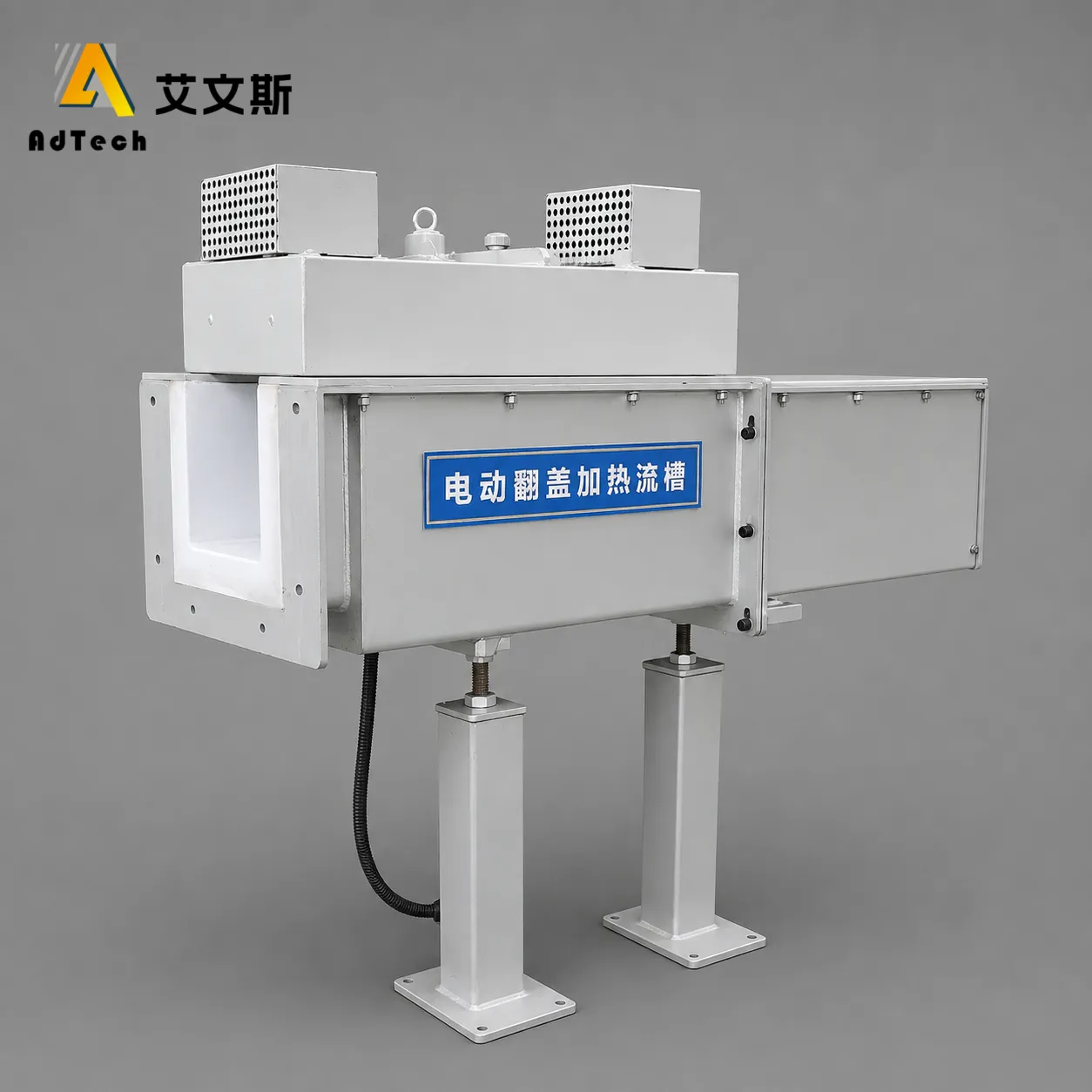
A launder cover sits directly on top of that trough, sealing it from open air while still allowing removal for cleaning, skimming, or inspection. We’ve seen plant managers treat covers as an afterthought purchase, something bought only after an insurance audit flagged an exposed-metal hazard. That’s backwards thinking. In our field visits, the cast houses running the tightest thermal budgets treat launder covers as core process equipment, not accessories.
The primary jobs a cover performs:
- Retains heat so the aluminum stays within pouring temperature range longer, which reduces the need to reheat or add extra superheat at the furnace.
- Blocks oxygen contact with the melt surface, slowing oxide skin buildup and dross generation.
- Shields personnel from radiant heat and splash during tapping or transfer upsets.
- Keeps moisture, dust, and debris out of the flowing metal, lowering hydrogen pickup and inclusion defects.
- Reduces ambient heat load in the plant, which indirectly improves working conditions and HVAC load.
How Heat Retention and Oxidation Control Actually Work Underneath the Lid
Molten aluminum sits around 660°C at the melting point but is usually transported between 700°C and 850°C depending on the alloy and downstream process. Left uncovered, an open launder can lose 3,000 to 6,000 BTU per square foot per hour through radiation and convection combined. That number sounds abstract until you calculate it against a 20-meter launder run in a continuous casting line, where uncovered heat loss forces the furnace operator to run the holding furnace hotter just to compensate for temperature drop by the time metal reaches the mold.
Covering the launder traps a thin insulating air gap between the metal surface and the underside of the cover. That gap, combined with the low thermal conductivity of the cover material itself, slows heat escape dramatically. We measured surface temperatures on covered versus uncovered sections during a trial at a secondary smelter in 2019: the covered section held metal temperature within 8°C over a 15-meter run, while the uncovered comparison run dropped 34°C over the same distance.
Oxidation control follows a similar logic. Aluminum forms an oxide skin almost instantly on contact with oxygen, and that oxide contributes directly to dross, a costly byproduct that represents pure metal loss. A tight-fitting cover with minimal gap area starves the reaction of fresh oxygen, so the oxide layer that does form stays thin and stable rather than continuously refreshing.
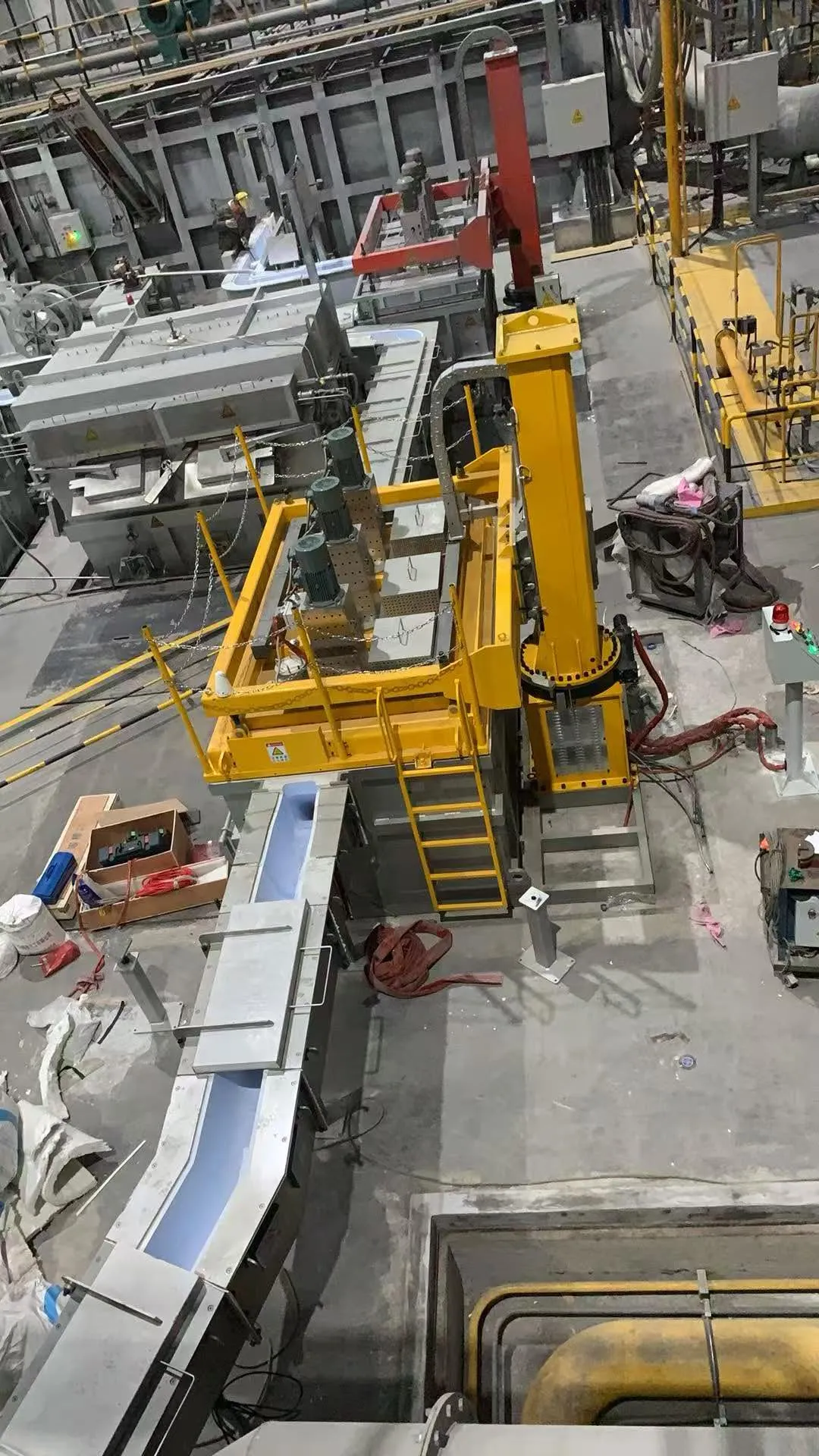
What Materials Go Into a Quality Launder Cover
Material selection determines everything from service life to thermal performance to how easily an operator can lift and reposition the cover during a shift change. Here’s a breakdown of the materials we most commonly specify or see specified across different production environments.
| Material Type | Max Service Temp | Typical Lifespan | Weight Class | Best Fit |
|---|---|---|---|---|
| Ceramic fiber board (ceramic wool composite) | 1260°C | 12-24 months | Lightweight | High-cycle transfer lines needing frequent lid removal |
| Calcium silicate board | 1000°C | 18-30 months | Moderate | General-purpose launders, moderate throughput |
| Vermiculite board | 1100°C | 12-18 months | Lightweight | Budget-conscious secondary smelters |
| Refractory castable shell with fiber lining | 1400°C+ | 3-5 years | Heavy | Primary smelter potlines, continuous high-volume flow |
| Steel shell with insulating fiber core | 1200°C | 2-4 years | Heavy | High-traffic areas needing impact resistance |
We tend to steer first-time buyers away from pure vermiculite in high-throughput settings. It handles moderate heat well and costs less upfront, but it degrades faster under repeated thermal cycling, meaning you’re back on the phone with a supplier within a year. Calcium silicate strikes a better balance for most mid-size operations, and it machines cleanly, so custom shapes for irregular launder geometry come out precise.
Primary smelters running potline metal at higher throughput almost always specify a steel-shelled cover with a ceramic fiber core. The steel shell resists mechanical damage from crane contact, dropped tools, or accidental impact during skimming, while the fiber core does the actual insulating work. That combination costs more per unit but survives the rough handling that’s unavoidable on a busy pot room floor.
Types of Launder Covers and Where Each One Fits
Not every launder needs the same cover geometry. Launder shape, flow rate, and access requirements all push the design in different directions.
| Cover Type | Design Description | Typical Application | Removal Method |
|---|---|---|---|
| Flat panel cover | Simple flat board resting on launder rails | Straight-run launders with predictable width | Manual lift or hook |
| Arched/vaulted cover | Curved cross-section to shed condensation and match trough radius | High-humidity plants, condensation-prone areas | Manual lift, sometimes hinged |
| Segmented modular cover | Multiple smaller sections instead of one long piece | Long launders needing partial access without full shutdown | Section-by-section removal |
| Hinged access cover | Cover attached via hinge for swing-open access | Areas needing frequent skimming or sampling | Swing open, no full lift required |
| Custom-fit contoured cover | Shaped to match bends, junctions, or degasser interfaces | Complex launder layouts with multiple branch points | Case-specific, usually crane-assisted |
Segmented modular covers have become our default recommendation for anything longer than about 8 meters. Instead of lifting one unwieldy 6-meter panel every time an operator needs to check flow or clear a blockage, workers pull a single 1-meter section, do what’s needed, and set it back. That approach also limits heat loss exposure to a small opening rather than the entire trough length.
Hinged covers work well at sampling stations or degasser inlets where access happens dozens of times per shift. The swing mechanism does wear out faster in high-heat zones though, so we usually recommend a stainless steel hinge assembly rated for continuous thermal cycling rather than a standard mild steel hinge that will warp within a season.
Designing and Fitting Covers to an Existing Launder System
Retrofitting covers onto an operating launder system is trickier than specifying covers for a new build, and this is where a lot of buyers run into trouble ordering off a generic catalog size. Launder width, wall height, and rail configuration vary significantly between plants, even within the same facility if the launder system was expanded piecemeal over the years.
Before ordering, we walk clients through a few measurement steps that save headaches later:
- Measure internal launder width at multiple points along the run, not just at one end, since older installations often have slight tapering or warping.
- Check the height of the launder side walls relative to the metal flow line, because covers need adequate clearance above the metal surface without sitting so high that heat escapes around the edges.
- Note any obstructions such as thermocouple probes, degassing lances, or sampling ports that will need cutouts.
- Confirm the crane or manual lift capacity available at each section, since this determines whether modular panels or a single continuous cover makes sense.
- Record ambient conditions including nearby equipment vibration, which affects how covers seat and whether they need locking clips versus simple gravity fit.
A cover that fits loosely creates gaps where oxygen sneaks in and heat escapes, essentially defeating the purpose of installing one in the first place. We’ve walked into plants where a poorly measured retrofit left a 15mm gap along one edge, and the thermal camera readings showed almost no improvement over the uncovered baseline. Precision measurement upfront isn’t optional if you want the investment to actually deliver the return.
Read More: Refractory Ceramic Launders Systems for Molten Aluminum Transport.
Safety Standards and Regulatory Considerations
Molten metal handling falls under strict occupational safety frameworks in most countries, and launder covers intersect directly with several of those requirements. In the United States, OSHA’s general industry standards for molten metal handling (referenced under 29 CFR 1910) don’t specify launder cover design explicitly, but they do require employers to protect workers from radiant heat exposure and splash hazards, both of which a properly fitted cover addresses directly.
NFPA 484, the Standard for Combustible Metals, also touches on aluminum handling practices relevant to launder design, particularly around moisture exclusion, since water contact with molten aluminum can trigger violent steam explosions. A cover that seals reasonably well against moisture ingress reduces that risk meaningfully, especially in plants located in humid climates or near washdown areas.
We always recommend clients document their launder cover specifications as part of their broader molten metal safety program, not as a standalone purchase. Auditors reviewing safety compliance want to see that heat and splash exposure controls were considered systematically, and a well-documented cover specification with material certifications supports that case.
| Standard/Body | Relevant Requirement | How Covers Help Meet It |
|---|---|---|
| OSHA 29 CFR 1910.252 (general) | Protect workers from hot surfaces and splash | Physical barrier reduces radiant exposure and splash risk |
| NFPA 484 | Moisture exclusion near molten metal | Sealed cover design limits water/moisture contact |
| ISO 45001 | Occupational health and safety management systems | Cover specification documentation supports risk assessment records |
| Local fire codes (varies) | Combustible metal fire prevention | Reduced oxidation and controlled surface exposure |
Pricing Breakdown: What Drives the Cost of a Launder Cover
Pricing for aluminum launder covers varies widely, and buyers new to procurement in this space often get sticker shock comparing a $200 flat vermiculite panel to a $3,000 custom steel-shelled section without understanding what’s driving that gap.
Main cost factors:
- Material choice: Steel-shelled fiber composite covers run 3 to 5 times the cost of a basic calcium silicate panel of the same dimensions.
- Custom shaping: Straight flat panels cost far less to produce than contoured or branched-junction covers requiring CNC cutting or hand-fitting.
- Size and thickness: Larger surface area and thicker insulation both add material cost directly, though thicker insulation typically pays back faster through fuel savings.
- Order volume: Buying a full plant’s worth of covers in one production run typically brings unit cost down 15-25% compared to piecemeal ordering.
- Hardware and accessories: Hinges, lift handles, locking clips, and cutouts for probes or lances all add incremental cost.
- Lead time: Rush orders for custom-fit covers can add 20-30% to base pricing depending on the fabricator’s current backlog.
| Cover Category | Approximate Price Range (per linear meter) | Typical Lead Time |
|---|---|---|
| Basic vermiculite flat panel | $80-$150 | 1-2 weeks |
| Calcium silicate segmented panel | $150-$300 | 2-4 weeks |
| Ceramic fiber composite, custom fit | $250-$500 | 3-6 weeks |
| Steel-shell with fiber core | $400-$900 | 4-8 weeks |
| Fully custom contoured/branched design | $600-$1,500+ | 6-10 weeks |
We generally advise buyers to run a simple payback calculation before defaulting to the cheapest option. A plant burning natural gas or electricity to maintain launder temperature will often recover the price difference between a budget cover and a premium insulated one within a single year purely through reduced reheating demand. We’ve built that calculation for clients dozens of times, and the premium option wins the total cost comparison more often than the sticker price suggests.
Maintenance Practices That Actually Extend Service Life
Covers take abuse from thermal cycling, occasional impact, and buildup of oxide dust and splash residue. Neglecting basic maintenance shortens service life dramatically, sometimes cutting a two-year expected lifespan down to six or eight months.
Recommended maintenance routine:
| Task | Frequency | Purpose |
|---|---|---|
| Visual inspection for cracking or warping | Daily (start of shift) | Catch early degradation before failure |
| Clean oxide buildup from underside | Weekly | Prevent buildup that traps heat unevenly and stresses material |
| Check hinge/hardware wear | Weekly | Avoid sudden hardware failure during lift |
| Full thermal imaging scan | Monthly | Identify hot spots indicating internal insulation breakdown |
| Replace worn edge seals or gaskets | As needed, roughly every 6 months | Maintain tight fit and prevent heat/oxygen leakage |
| Full cover replacement assessment | Annually | Determine if remaining material integrity supports continued use |
One habit we push hard with maintenance teams: don’t wait for visible cracking to schedule a thermal scan. Internal fiber breakdown often happens before any surface crack appears, and by the time you see a crack, the insulating performance has usually already dropped 20-30% below spec. Monthly thermal imaging catches that decline early enough to plan a replacement during scheduled downtime rather than dealing with an emergency swap mid-shift.
Choosing a Supplier: Questions That Separate Reliable Fabricators From the Rest
Not every refractory fabricator that lists “launder covers” on their website has actually engineered these products specifically for aluminum service. Some suppliers repurpose generic refractory panels originally designed for furnace lining applications, and those don’t always account for the specific thermal cycling pattern that launder covers experience.
Questions worth asking before placing an order:
- Can you provide thermal conductivity data specific to the exact material composition being quoted, not just generic manufacturer datasheets?
- Have you supplied covers for aluminum launder applications specifically, versus steel or other metal handling?
- What warranty period applies, and does it cover thermal cracking under normal cyclic use?
- Can you accommodate custom cutouts for probes, lances, or sampling ports at the fabrication stage rather than requiring field modification?
- What’s the typical lead time for repeat orders once initial measurements are on file?
- Do you offer segmented modular designs, or only full-length continuous panels?
We’ve dealt with fabricators who quoted impressively low prices but couldn’t answer basic questions about thermal cycling behavior of their material. That’s usually a sign they’re supplying a generic refractory product rather than something engineered for the specific stress pattern of repeated molten aluminum contact and open-air cooling cycles that launder covers go through daily.
Common Problems and Practical Troubleshooting
Even well-specified covers run into field issues. Here’s what we see most often and how experienced crews typically resolve it.
Warping after repeated thermal cycling: Usually indicates the material’s thermal expansion rating doesn’t match the actual temperature swing the cover experiences. Solution involves either upgrading material grade or adding expansion joints in segmented designs.
Excessive dross buildup despite having a cover installed: Often traced back to gap areas at cover edges or poorly sealed access points rather than the cover material itself. A gap audit with a simple smoke test (cold smoke pencil near edges during operation) usually reveals the leak points quickly.
Premature hardware failure (hinges, clips): Standard mild steel hardware degrades fast under radiant heat exposure near the launder. Switching to stainless steel or high-temperature alloy hardware resolves this in most cases.
Cracking at cutout points for probes or sensors: Cutouts concentrate thermal stress if not reinforced properly during fabrication. Requesting reinforced cutout edges at the ordering stage prevents this from becoming a recurring replacement issue.
Inconsistent metal temperature readings along the launder length despite cover installation: Points to uneven insulation thickness or gaps at segment junctions. A thermal imaging scan along the full run typically pinpoints exactly where the weak section sits.
Frequently Asked Questions
What temperature can an aluminum launder cover withstand?
Most standard covers handle continuous service between 1000°C and 1260°C depending on material composition, though premium refractory castable designs rated above 1400°C exist for primary smelter applications running higher superheat.
How long does a typical launder cover last before replacement?
Service life ranges from 12 months for basic vermiculite panels up to 5 years for steel-shelled fiber composite designs, depending on cycling frequency, handling care, and maintenance routine.
Can launder covers be custom-fit to non-standard launder shapes?
Yes. Most fabricators offer custom contouring for curved sections, branch junctions, and irregular widths, though custom fitting adds to both cost and lead time compared to standard flat panels.
Do launder covers actually reduce energy costs, or is the savings marginal?
In our field measurements, covered launders show 40-60% less radiant heat loss compared to uncovered sections, which translates directly into reduced reheating demand at the furnace and measurable fuel or electricity savings over a full production year.
What’s the difference between a launder cover and a launder lid?
The terms are largely interchangeable in industry usage, though some suppliers reserve “lid” for smaller access-point covers and “cover” for full-length trough coverage.
Are launder covers required by safety regulations?
Specific launder cover requirements aren’t universally codified, but general molten metal safety standards regarding heat exposure and splash protection effectively require some form of physical barrier, which covers satisfy directly.
Can a launder cover be repaired instead of replaced when it cracks?
Minor surface cracking can sometimes be patched with matching refractory cement for calcium silicate or castable designs, but structural cracking through the full thickness usually means replacement is more cost-effective than repair.
How do modular segmented covers compare to full-length single covers in terms of thermal performance?
Segmented covers perform nearly as well thermally as single-piece covers when junctions are properly sealed, and they offer significant practical advantages for maintenance access, making them the preferred choice for most launders longer than 8 meters.
What causes premature failure in launder covers most often?
Based on our field experience, the two leading causes are mismatched thermal expansion ratings for the operating temperature range and inadequate seating that leaves gaps allowing uneven heat and oxygen exposure.
Is it worth paying more for a steel-shelled cover versus a basic refractory board?
For high-throughput operations with frequent handling and crane contact risk, yes, the steel shell’s mechanical durability typically justifies the premium through reduced replacement frequency, even though the thermal performance difference alone might not fully justify the cost gap.
Final Thoughts From the Field
We’ve specified, installed, and troubleshot enough launder cover systems across primary and secondary aluminum operations to say confidently that the biggest mistake buyers make isn’t choosing the wrong material, it’s treating the purchase as a commodity item rather than an engineered thermal control component. Measurement precision, material matching to actual operating temperature, and a realistic maintenance schedule matter more than chasing the lowest quoted price per linear meter. Get those fundamentals right and a launder cover system will quietly do its job for years, cutting fuel costs, protecting workers, and reducing metal loss without ever needing to become a topic of conversation on the plant floor again.