

The Pakistani aluminum sector is led by Lucky Aluminium, Pakistan Aluminium Beverage Cans Limited (PABC), Prime Aluminium Industries, Pakistan Alco Products Ltd, Pak Alumex, Pakistan Aluminium Marketing, Ultra Aluminium Extrusion, Pak AL-Tech (PakALTech), Siddiqsons Engineering (casting & light engineering), and Raza Metals & Engineering Works. These firms represent the strongest presence across extrusion, can manufacturing, die casting, fabrication, anodizing and value added processing in the country. Lucky holds a dominant position in architectural extrusions, PABC is the national beverage can champion with growing export capacity, Prime and Pak Alco supply broad profile and fenestration markets, and a set of mid-tier extrusion and casting specialists supply local industry and export channels.
Methodology and selection criteria
This list uses public company profiles, industry directories, national market reports, and leading manufacturer websites. Companies were chosen based on production capacity, national brand recognition, vertical integration (presses, anodizing, coating), export footprint, and industry references. Where capacity figures or formal filings exist, those have been cited. For players with limited public disclosure, selection reflects product breadth and sustained market presence.
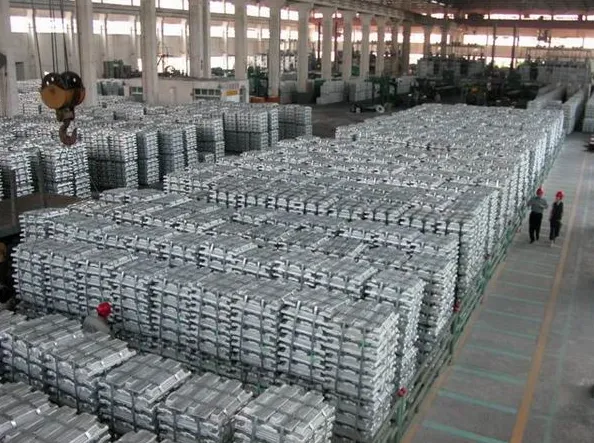
Table 1: Top 10 aluminum companies in Pakistan (segment, headquarters, core products)
| Rank | Company name | Main segment | HQ / major plant | Flagship products |
|---|---|---|---|---|
| 1 | Lucky Aluminium | Architectural extrusion, integrated mill | Lahore (Ittefaq group project) | Aluminium profiles, billets, anodized sections. |
| 2 | Pakistan Aluminium Beverage Cans Limited (PABC) | Beverage can manufacturing | Faisalabad, M-3 Industrial City | Aluminium beverage cans; high capacity can lines, exporter. |
| 3 | Prime Aluminium Industries | Extrusion, finishes | (Multiple plants) | Extruded profiles, anodizing, powder coat. |
| 4 | Pakistan Alco Products Ltd | Fabricated systems, architectural | Islamabad region projects shown | Windows, doors, kitchen systems using aluminium. |
| 5 | Pak Alumex | Extrusion | Gojra / regional facilities | Aluminium profiles for construction and furniture. |
| 6 | Pakistan Aluminium Marketing (PAM) | Extrusion, anodizing, fabrication | Punjab based operations | Custom extrusions, anodizing, powder coating services. |
| 7 | Ultra Aluminium Extrusion | Extrusion, solar mounting profiles | Lahore / industrial clusters | Solar frames, sliding window profiles, architectural sections. |
| 8 | Pak AL-Tech (PakALTech) | Manufacturer / system supplier | Karachi and national dealers | Windows, curtain wall systems, façade components. |
| 9 | Siddiqsons Engineering | Die casting, light engineering | Industrial manufacturing regions | Die casting parts, automotive and industrial components. |
| 10 | Raza Metals & Engineering Works | Metal engineering, alloy suppliers | Lahore region | Aluminum alloy parts, billet processing, extrusion inputs. |
Notes: Table merges extrusion, casting and can manufacturing because the Pakistani aluminum ecosystem is segmented; many leading names lead in a single niche rather than full upstream smelting. PABC stands out for can manufacturing with a modern, high output plant and export orientation.
Short company profiles (concise, practical)
Lucky Aluminium — leading architectural extruder
Lucky has built reputation through long operational history, large extrusion presses, in-house billet and surface finishing systems. The firm supplies high end architectural systems and curtain wall sections used on major construction projects. Public descriptions position Lucky as the largest extrusion brand in Pakistan, credited with investing in heavy presses and anodizing lines.
Pakistan Aluminium Beverage Cans Limited (PABC) — can manufacturing benchmark
PABC launched commercial production in 2017 and grew rapidly. Their plant sits in M-3 Industrial City, Faisalabad. Rated capacity increased from early targets to around 700 million cans per year, with company disclosures indicating further capacity growth that reached higher annual rated outputs in recent years. PABC has become Pakistan’s major domestic can maker and a regional exporter. In late reports the firm announced strategic capacity expansion programs.
Prime Aluminium Industries — extrusion and surface finishes
Prime maintains extruders, anodizing and powder coating lines. The firm markets to fenestration, interior, and institutional segments. Prime lists a national dealer network and highlights tech transfer of European finishing methods.
Pakistan Alco Products Ltd — system fabricator for windows and interiors
Pakistan Alco positions itself on project deliveries with pre-fabricated window and door systems. Their project references include institutional and commercial developments. The firm acts as a full system supplier for builders.
Pak Alumex, Pakistan Aluminium Marketing, Ultra Aluminium, PakALTech — mid-tier full service extruders
These firms supply profiles for residential, commercial, solar mounting, and industrial frames. Their core capabilities include extrusion, CNC fabrication, anodizing, and powder coating. They service domestic retail networks and small export orders.
Siddiqsons Engineering — casting, light engineering
Siddiqsons and similar foundry houses produce die cast parts for automotive, agricultural, and industrial customers. Their role is critical where complex geometry and higher alloy integrity are required.
Raza Metals & Engineering Works — alloy supplier and metal engineering
Raza Metals offers alloy processing and engineering services that support extruders and machine builders. Their presence strengthens domestic supply of intermediate goods.
Pakistan aluminum market overview
The local market is predominantly finished-product driven rather than upstream primary smelting. Pakistan uses imported aluminum ingots, billets, and semi-finished stock, with domestic processing concentrated in extrusion, casting, can production and fabricated building systems. Major end markets include construction (windows, curtain walls, façade), beverage packaging, automotive components, solar mounting systems, and consumer goods. The construction sector remains the single largest consumer for extruded profiles, driven by urban development and retrofit demand. Industry research highlights beverage cans and extrusion as high growth segments.
Market size and recent trajectory
Independent market studies indicate steady growth driven by urban construction spending and increasing packaged beverage consumption. A sector outlook report places local market growth tied to the expansion of beverage packaging and rising adoption of aluminium in building envelopes. PABC’s capacity expansion and investments by major extruders reflect that demand is being met through capacity additions and modernization rather than upstream smelting. This trend suggests a medium term growth corridor, although macroeconomic volatility and currency swings have influenced capital projects and raw material sourcing.
Table 2: Quick market snapshot (concise figures and indicators)
| Indicator | Current picture |
|---|---|
| Primary domestic smelting | Very limited; most primary metal imported |
| Largest manufacturing segments | Extrusion, beverage cans, die casting, fabrication |
| Notable national exporter | Pakistan Aluminium Beverage Cans Limited (regional exports) |
| Typical billet sourcing | Imports from Middle East, China, Turkey; recycled scrap used locally |
| Energy intensity | High for billet casting and extrusion; electricity reliability influences uptime |
| Regulatory environment | Standard corporate and import duty regime; incentives for SEZs used by canmaker |
Production, processing and value chain
-
Upstream raw material: Primary aluminium ingot and billet imports dominate because domestic primary smelting is limited. Some companies use recycled aluminium, but quality control is more complex.
-
Intermediate processing: Billet casting, extrusion presses, anodizing, powder coating, machining, and die casting form the backbone. Extrusion houses often integrate finishing lines for competitive advantage.
-
Downstream fabrication: Assembly of windows, curtain walls, can filling and beverage packaging, solar mounting assemblies, and automotive component assembly.
-
Distribution: Local dealer networks, construction supply houses, OEM supply chains and export channels for specialized products such as beverage cans.
Key drivers shaping demand
-
Construction activity: Urban growth, commercial development, and renovation spending drive long-profile demand.
-
Packaging trends: A shift to aluminum cans for beverages increases demand for can stock and empty can manufacturing capacity.
-
Solar installations: Growth in solar energy creates demand for aluminium mounting systems.
-
Automotive light weighting: Vehicle component makers shift to aluminium parts where cost and scale permit.
-
Policy and trade: Import duty policy, energy subsidies, and SEZ incentives influence capex decisions.
-
Currency volatility: Rupee depreciation raises import costs for billets and dies, compressing margins for local processors.
Price formation and principal factors that move aluminum pricing in Pakistan
Table 3. Price drivers (explanatory)
| Factor | How it affects local price |
|---|---|
| International LME and regional premia | Base price for ingots and billets sets import cost. Local buyers pay LME plus freight and premiums. |
| Freight and logistics | Port congestion and shipping rates add to landed cost. |
| Currency exchange | Rupee depreciation increases import cost, pressuring margins. |
| Energy cost and availability | High electricity and gas bills raise extrusion and billet casting unit cost. |
| Scrap availability | Quality scrap offers cost relief, while low quality increases processing expense. |
| Import duties and trade policy | Tariff changes can make imported billets cheaper or more expensive relative to local processing. |
| Domestic demand cycles | Construction seasonality and beverage demand fluctuations influence order books. |
In Pakistan, international aluminum benchmarks are transmitted through import prices. Firms that hedge raw material or have long term supplier contracts manage volatility better. The public expansion within can manufacturing signals that local cost structures can still be competitive when scaled.
Competitive landscape and export opportunities
-
Niche leaders: PABC targets cans for export markets, creating an upstream domestic manufacturing edge for beverage packaging.
-
Regional competition: Pakistani extruders face competition from low cost suppliers in China, Turkey and the Middle East. Distinct advantage lies where local delivery speed, finishing quality, and fabricator services cut lead times.
-
Export prospects: Cans and specialized fabricated parts show export promise given investments in capacity and proximity to Central Asian markets. Border stability and trade facilitation remain critical. Recent export announcements by PABC underline cross-border demand potential.
Environmental, energy and regulatory constraints
Energy reliability and cost remain top obstacles. Extrusion and billet casting require steady power and thermal energy. Policies that offer tax holidays through SEZs attract capital heavy projects like PABC. Environmental compliance for anodizing and finishing demands wastewater treatment and chemical handling infrastructure; firms investing in treatment systems gain social license benefits when bidding for project work.
BRANDS IN PAKISTAN
Five to ten year development scenarios
Conservative baseline (2.5 to 4 percent annual aluminium volume growth)
-
Construction moderates, beverage sector grows slowly, firms modernize finishing lines.
-
Most raw material continues imported.
Accelerated industrialization scenario (6 to 9 percent annual growth)
-
Strong infrastructure programs, higher packaged beverage consumption, and renewable energy rollouts.
-
Local capacity for beverage cans rises, exports expand into Afghanistan and Central Asia, extruders invest in larger presses and automation.
Disruption scenario (macro shock or severe currency stress)
-
Capital projects delayed, input costs spike, consolidation among smaller fabricators.
-
Import substitution limited; higher use of recycled metal.
Strategic recommendations for stakeholders
-
Vertical integration: Firms should secure billet supply contracts to hedge LME exposure.
-
Energy planning: Investment in captive generation yields uptime resilience.
-
Finishing capability: Anodizing and powder coating raise value capture.
-
Export diversification: Target Central Asian and African markets with logistics plans.
-
Quality standards: ISO and product certification unlock larger commercial projects.
Table 4. Projection snapshot for 2026–2032 (high level)
| Year range | Likely industry trend | Opportunity for manufacturers |
|---|---|---|
| 2026–2027 | Capacity consolidation, selective investment in finishing | Upgrade anodizing; contract with beverage firms |
| 2028–2029 | Export push for canned products; moderate construction uptick | Scale can lines; lean manufacturing adoption |
| 2030–2032 | Automation and materials substitution in auto and solar sectors | Invest in high precision dies and alloy capability |
Practical playbook for buyers and OEMs in Pakistan
-
Qualify suppliers on production tolerances, finishing capability, and test results.
-
Request sample runs with full finishing to verify color match and mechanical properties.
-
Ask for lead time guarantees tied to penalty clauses for large project orders.
-
Structure raw material clauses that share LME movement risk or set fixed duration pricing.
-
Verify environmental compliance for anodizing and chemical handling to avoid project delays.
Sources, verification notes and caveats
Key sources used for company profiles and sector commentary include manufacturer websites and recent industry reports. Notable citations used above: Lucky Aluminium company pages, PABC official materials and capacity statements, Prime Aluminium website, Pakistan Alco website, and a Pakistan aluminium market outlook brief. Readers should treat company capacity and investment plans as subject to change; for project level decisions, contact companies directly for up to date technical sheets, capacity loadings and certifications.