

Ceramic Sealing Material
Products
PRODUCTS
CONTACT US
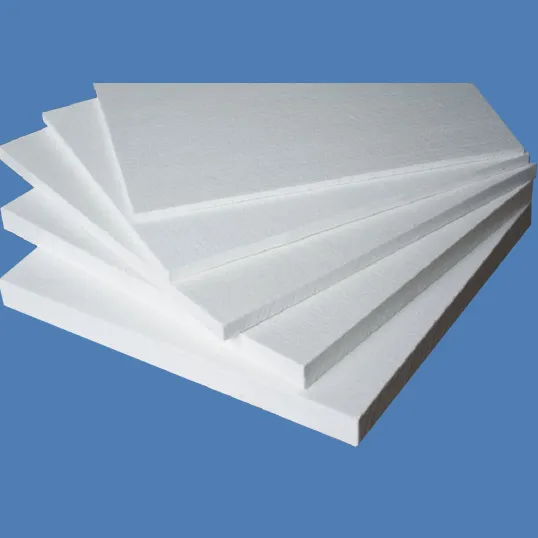

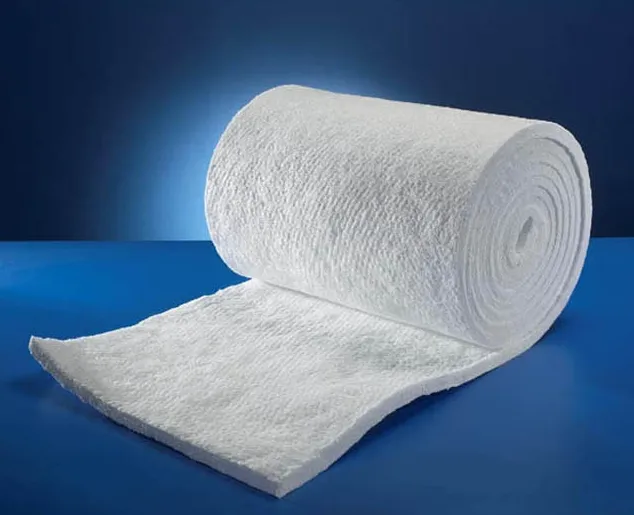
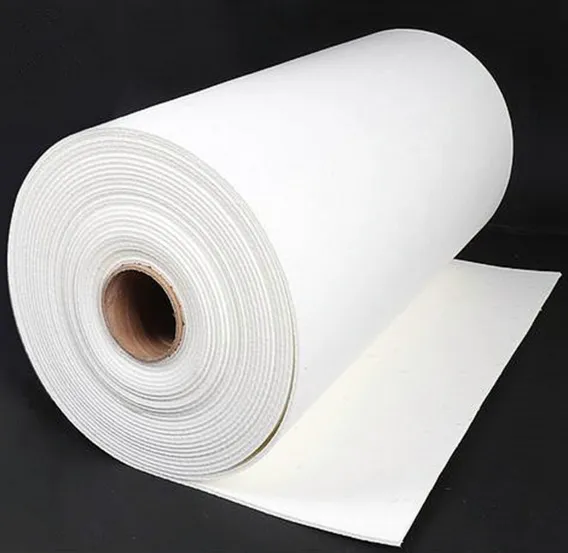
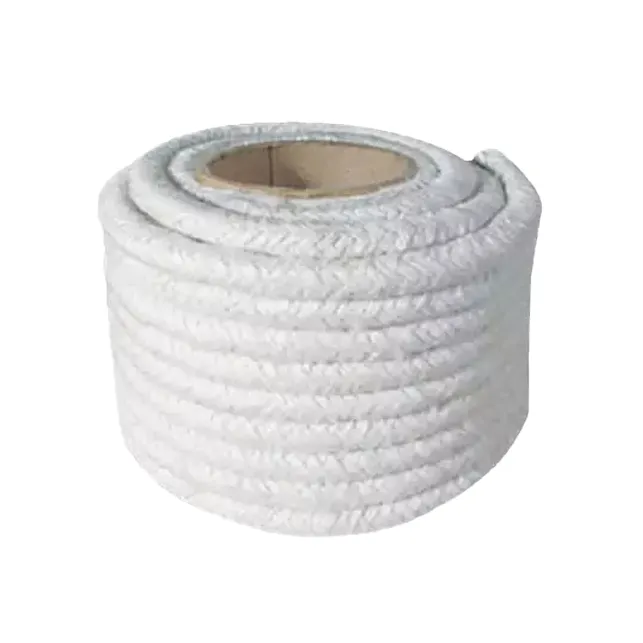
High temperature ceramic sealing materials provide reliable, long-lived seals in molten-metal processing, industrial furnaces and thermal-processing equipment by combining refractory alumina-silica chemistry with engineered forms: braided or twisted ropes, tapes, gaskets, boards and sealing pastes. For aluminum foundries, the right ceramic sealing system reduces heat loss, prevents metal infiltration, lowers contamination risk, and cuts downtime when paired with matched filtration and degassing products such as ceramic foam filters and insulation boards. Choosing materials rated to the correct continuous and intermittent temperature, and installing them with proper compression and protection, produces predictable performance and measurable cost savings in yield and maintenance.
Why high temperature ceramic sealing matters in aluminum foundries
Sealing points are common failure zones in melting, transfer and casting equipment. Poor seals permit heat loss, allow air and moisture ingress, and enable molten metal or dross to migrate into structural gaps. For aluminum operations, these failures raise hydrogen pickup, oxide formation, and inclusions that lower casting quality. Robust ceramic sealing eliminates many of those root causes by providing a compressible, refractory barrier between moving or bolted parts and the molten metal path. When paired with ceramic foam filters, degassing units and thermal insulation boards, sealing materials help protect product purity and reduce rework.
Core material families and their chemistry
High temperature ceramic sealing products used in industrial thermal systems largely derive from alumino-silicate refractory fibers and specialty inorganic fillers. Typical families include:
-
Alumino-silicate ceramic fiber: produced by spinning or blowing high-purity raw materials into fibers, then formed into rope, braid, paper or blanket forms. These fibers withstand continuous temperatures up to roughly 1260°C (2300°F) in many commercial grades.
-
High-purity refractory boards: rigid panels manufactured from bonded ceramic fiber or processed refractory aggregates; these deliver low thermal conductivity with machinable surfaces.
-
Ceramic-filled inorganic sealants and pastes: silica, alumina and zirconia filled inorganic pastes that cure or sinter to produce gas-tight seals at elevated temperature ranges.
-
Refractory textile assemblies: braided ropes and knitted tapes where core ceramic fiber is combined with protective braiding or wire for handling strength and compressive recovery.
Each chemistry brings trade-offs in compressibility, abrasion resistance, outgassing and maximum continuous operating temperature. Selecting the proper family depends on joint geometry, expected mechanical movement and exposure to fluxes or slags.
Thermal and mechanical performance: ratings and practical limits
Understanding published temperature ratings and what they mean under service conditions is essential.
-
Continuous service rating: many commercial ceramic fiber ropes and tapes are rated for continuous exposure up to about 1260°C (2300°F). Published data for Fiberfrax-style products and comparable ropes support this level of continuous performance. Real-world installations commonly use lower continuous limits to preserve life.
-
Intermittent peak capability: short-term peaks above continuous rating often occur during startup or upset conditions. Some ceramic rope and board products will tolerate higher peak temperatures for brief intervals, but frequent cycling accelerates fiber oxidation and mechanical breakdown.
-
Compression set and recovery: braided and twisted ropes are chosen for joints that require compressibility. Compression set after repeated cycles determines when re-tightening or replacement is needed. Product datasheets list compression vs temperature behavior.
-
Chemical exposure: most alumino-silicate fibers resist oxidizing and reducing atmospheres; however hydrofluoric acid and strong alkalies attack them. Seals exposed to flux or chlorinated environments need special consideration.
Testing to validate selection should include continuous-temperature soak, cyclic thermal shock, and mechanical compression set tests. Vendors commonly provide data sheets with these parameters; review them against expected foundry duty cycles.
Product forms and how they seal — detailed technical descriptions
Ceramic fiber rope and braid (used for door and flange seals)
Construction: multi-ply twisted or braided filament bundles, sometimes with a sacrificial carrier fiber that burns out during initial heating. Performance: highly compressible, excellent in restricted joint spaces where the seal must conform to irregular flanges. Typical uses: furnace door seals, runner and ladle cover closures, transfer-car seals. Continuous temp commonly up to 1260°C / 2300°F.
Ceramic tape and tape gaskets (thin-profile sealing)
Construction: knitted or woven ceramic tape, or formed gasket rings cut from paper/blanket. Performance: good for thin joints, provides more uniform contact than rope in flat-face applications. Use cases: sliding door edges, thin flange faces, and gasketing around inspection ports.
Ceramic fiber paper (soft sheet sealing and gasketing)
Construction: wet-formed alumino-silicate fiber paper with controlled thickness. Performance: conformable, easy to cut and shape, and low thermal conductivity. Typical applications are for lining flanges before compressive clamping and for filling thin gaps to reduce air infiltration.
Ceramic insulation boards (structural sealing and packing)
Construction: bonded ceramic fiber boards with fine machinability. Performance: stiff enough for structural packing where seals must resist compression beyond what rope can withstand. Applications include ladle throat linings, hot-top assemblies, and thermal barrier panels that seat against metal plates.
Ceramic sealing pastes and coatings (gap-fill and hard-bond sealing)
Construction: inorganic binders blended with high-temperature ceramic powders; some formulations cure to a firm seal at elevated temperatures. Use: sealing irregular joints or bonding ceramic-to-metal interfaces where a paste provides wetting and fills micro-gaps. Where the joint needs remachining or removal, select pastes that soften on reheating or are mechanically removable.
How product choice maps to foundry use cases (AdTech recommendations)
The following pairing recommendations fit common aluminum foundry needs and match AdTech product lines (ceramic foam filters, insulation boards, fiber rope, ceramic paper).
-
Melting furnace door and port seals: use twisted ceramic fiber rope wrapped with stainless or fiberglass braid where abrasion is present. For improved life, pair with an outer protective stainless wire braid if contact with tools is frequent. AdTech ceramic fiber rope, specified for continuous 1100°C service, gives long life and low infiltration risk.
-
Ladle throat and spout packings: use a combination of ceramic board for structural lining and ceramic rope in the flange interface to maintain a compressible seal while resisting metal splash. AdTech ceramic insulation board with a machined throat insert will stabilize flow and help the ceramic foam filter perform optimally.
-
Cover sealing for degassing vessels: where rotating or removable lids exist, a ceramic fiber gasket or tape provides an effective compressible seal. AdTech ceramic fiber paper precut to lid diameters simplifies replacement.
-
Casting machine stoppers and nozzle seals: select ceramic paste with high adhesion to metal and thermal expansion compatibility, combined with localized ceramic rope backup to absorb movement. AdTech sealing pastes formulated with alumina fillers provide dense, low-porosity bonds in high-wear locations.
Manufacturing and quality control factors that determine sealing life
-
Fiber purity and composition control: higher alumina content typically improves refractoriness, but cost rises. Select materials whose composition and spin processes are documented by the supplier.
-
Density and binder selection: for boards and papers, binder chemistry affects outgassing and machining characteristics. Low-outgassing binders suit enclosed metal environments.
-
Construction uniformity: rope twist, braid tightness and tape knitting parameters change compressibility; request manufacturer process documentation and QC sampling plans.
-
Post-manufacture finishing: protective braids, wire covers or sizing reduce abrasion and fiber loss during handling, increasing effective service life.
AdTech recommends factory lot traceability and sample thermal cycling prior to shipment for critical sealing orders.
Installation best practices
-
Clean mating surfaces to remove old seal residue, scale and oil.
-
Use a thin layer of ceramic paper or paste on flat faces to equalize micro-gaps before inserting rope.
-
Compress rope seals uniformly to the supplier-specified compression percentage, typically 20 to 40 percent for many twisted ropes. Overcompression increases set and reduces life.
-
Protect exposed rope with braided stainless or wire where tools or metal chips may abrade the outer surface.
-
After initial heat-up, re-tighten accessible fasteners because carrier fibers or binders may burn off and cause slight shrinkage.
-
Document location, part number and install date for scheduled inspection.
Compatibility, contamination risk and chemical resistance
Key compatibility rules:
-
Avoid exposure of alumino-silicate fibers to hydrofluoric acid.
-
Strong alkalies cause erosion; in applications where fluxing agents contact seals, use chemically resistant fillers or protective coatings.
-
For operations with oxygen-enriched atmospheres or heavy cycling, select grades with higher alumina content and lower organic carriers.
Sealing materials with low outgassing and low particle release help maintain metal cleanliness. Where critical, perform a small-scale leach and particle release test before full installation.
Safety, handling and regulatory notes
-
Treat ceramic fiber materials like other refractory fibers: minimize dust during cutting, use local extraction and PPE (respirators, gloves, eye protection). Many modern fibers are engineered for reduced respirable fiber release, but good practice still applies.
-
When machining boards or trimming rope, wet methods or HEPA vacuums limit airborne particulates.
-
Store packaged products in dry conditions to prevent binder hydrolysis and to preserve handling strength.
Comparison table: common sealing materials and recommended uses
| Material form | Typical continuous temp (°C / °F) | Strengths | Limitations | Typical foundry use |
|---|---|---|---|---|
| Twisted ceramic fiber rope | ~1260°C / 2300°F | High compressibility, easy to pack | Abrasion of outer fibers if unprotected | Furnace door, lid seals, small flange gaps. |
| Braided ceramic rope (with SS braid) | ~1100–1260°C | Better abrasion resistance, handle strength | Slightly less compressible | High-abrasion seals, frequent tool contact. |
| Ceramic fiber paper | 1100–1400°C (grade dependent) | Conformable, thin, low conductivity | Lower mechanical strength | Thin gaps, pack-before-clamp applications. |
| Ceramic insulation board | 1000–1400°C | Structural, machineable, low heat leak | Heavier, needs sealing at joints | Ladle throat lining, hot-top panels. |
| Inorganic sealing paste | up to 1200–1400°C (formulation dependent) | Fills irregularities, bonds to metal | Removal can be difficult | Nozzle bonds, metal-to-ceramic joints. |
Five common user pain points and AdTech solutions
| Pain point | Typical consequence | AdTech solution |
|---|---|---|
| Rapid seal wear from tool abrasion | Frequent downtime for resealing | Provide braided stainless-covered ceramic rope with specified braid density to protect core fibers; train staff on tool handling. |
| Seal leakage after thermal cycling | Air ingress, hydrogen pickup, inclusions | Specify high-alumina fiber grades and perform staged clamp and re-tightening after first heat cycle; supply matching ceramic paper under rope to even load. |
| Chemical attack from flux residues | Erosion, reduced life | Offer chemical-resistant paste overlays and recommend cleaning regimes; test candidate materials in lab with representative flux. |
| Difficulty sourcing matched replacement parts | Inventory mismatches and wrong temp ratings | AdTech offers part-numbered seal kits including rope, paper and paste, with QC certificates and recommended install guides. |
| Outgassing and particulate contamination | Metal inclusion and surface defects | Supply low-outgassing board grades and pre-conditioned rope products, with on-site installation training to minimize dust. |
This table is practical and built from standard field experience plus AdTech product capabilities.
Maintenance checklist and service life optimization
| Task | Frequency | Acceptance criteria |
|---|---|---|
| Visual inspection of exposed seals | Weekly | No frayed braid, no visible metal infiltration |
| Compression check on accessible bolts/clamps | Monthly | Compression within supplier recommended range (documented) |
| Replace rope/gasket after thermal shock event | After event | If cracking, heavy oxidation or set > specified limit |
| Clean flux residues | Monthly or after spill | No salts or flux residues adjacent to seal |
| Inventory logs updated | On each replacement | Part number, lot, install date recorded |
Following this checklist helps maximize the economic life of seals and supports traceability for quality events.
Frequently asked questions
-
What temperature can ceramic fiber rope handle continuously?
Typical commercial grades handle up to about 1260°C (2300°F) continuous, though service life depends on cycling and atmosphere. -
Which form is best for flange sealing in ladles?
A combination of ceramic board for structural support and twisted rope for the flange interface offers the best balance. -
Do ceramic sealing materials contaminate aluminum?
High-purity alumino-silicate products with low binders have minimal contamination risk. Correct installation and protection reduce particulate release. -
Can I paint or coat ceramic rope to increase life?
Protective braids or inorganic coatings are preferred over organic paints; they resist abrasion and limit fiber loss. -
How should seals be stored?
Keep dry, avoid compression in storage, and protect from oils and solvents that may compromise binders. -
Is ceramic paper reusable?
Paper is usually single-use for critical sealing; some lightly loaded uses allow limited reuse but replacement is recommended for high-purity casting. -
How do I choose between rope and tape?
Use rope where deep compressible packing is needed and tape for thin, uniform contact areas. -
What inspection methods detect seal degradation?
Visual inspection, leak detection during warm idle periods, and scheduled bolt torque checks are practical field methods. For critical lines, infrared thermography locates heat leaks. -
Are there standards for ceramic sealing materials?
Manufacturers supply technical data and test results; where regulated, follow local occupational safety and material REACH/ROHS requirements. Request SDS and thermal performance test reports. -
Can AdTech supply complete seal kits?
Yes. AdTech assembles matched kits including rope, paper, paste and installation instructions for critical equipment, simplifying procurement and ensuring compatibility.