

Aluminum Degassing System
Products
PRODUCTS
CONTACT US
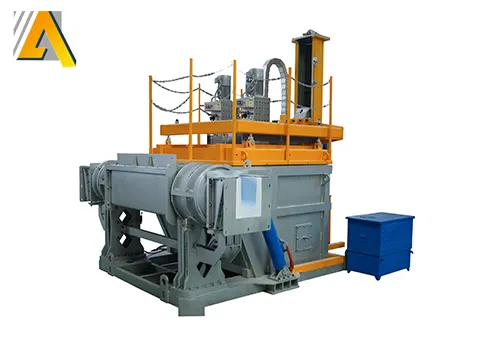

The Aluminum Degassing System is a vital technology designed to enhance the purity and quality of molten aluminum. It is primarily used in aluminum plants to remove dissolved hydrogen and other impurities, which are critical factors that influence the mechanical properties and casting characteristics of aluminum products. The Molten Aluminum Online Degassing Unit, a key component of the system, plays an indispensable role in ensuring the efficiency of aluminum production processes. By effectively reducing gas content, it helps in preventing defects such as porosity in the final products, thereby improving the overall yield and quality of aluminum.
1. Overview of the Aluminum Degassing System
1.1 Definition and Purpose
The Aluminum Degassing System refers to the specialized equipment used to reduce the gas content, particularly hydrogen, in molten aluminum. It is crucial for ensuring that the aluminum meets the required quality standards for various applications, including aerospace, automotive, and electronics manufacturing. Hydrogen is one of the most common impurities in aluminum, and its presence can lead to the formation of gas bubbles during solidification, resulting in defects like porosity and reduced strength.
1.2 Core Functionality
The primary function of the degassing system is to eliminate or reduce the dissolved hydrogen from molten aluminum, which can significantly degrade the final product’s mechanical properties. The process typically involves introducing a degassing agent into the molten metal, which reacts with hydrogen and forms stable compounds, thereby removing the gas from the metal. This ensures that the aluminum is free from unwanted gases, making it suitable for casting and other downstream processes.
1.3 Types of Degassing Methods
There are several degassing techniques used in aluminum plants, with the most common being:
-
Rotary Degassing: Uses a rotating impeller to create turbulence, aiding the removal of hydrogen.
-
Inert Gas Injection: Involves injecting inert gases like nitrogen or argon into the molten aluminum to displace hydrogen.
-
Vacuum Degassing: Employs a vacuum environment to extract dissolved gases from molten metal.
Each method has its own set of advantages and is selected based on the specific requirements of the aluminum production process.
2. Components of the Molten Aluminum Online Degassing Unit
The Molten Aluminum Online Degassing Unit is a sophisticated system that typically consists of several interconnected components working in unison to perform the degassing process efficiently. These components include:
2.1 Degassing Chamber
The degassing chamber is where the molten aluminum is treated with the degassing agent. The chamber is designed to allow effective interaction between the molten metal and the gas, facilitating the removal of hydrogen and other impurities.
2.2 Gas Injection System
This system introduces inert gases, such as nitrogen or argon, into the molten aluminum. The gas is injected through a specialized nozzle that ensures uniform distribution and effective gas-solid interactions.
2.3 Filtration System
The filtration system works alongside the degassing process to capture any remaining solid impurities in the molten aluminum. This step is crucial for ensuring the purity of the aluminum before it moves to the casting or shaping stage.
2.4 Control and Monitoring Systems
The control and monitoring systems allow operators to adjust the degassing process based on real-time parameters, such as temperature, gas flow, and aluminum composition. These systems ensure that the degassing process is optimized for maximum efficiency.
2.5 Heat Exchanger
A heat exchanger is often used to regulate the temperature of the molten aluminum, ensuring that the metal remains within the optimal temperature range during the degassing process. Maintaining the right temperature is critical for achieving effective degassing.
3. Benefits of Using the Aluminum Degassing System
The adoption of an Aluminum Degassing System provides numerous benefits to aluminum manufacturers, making it an essential tool in modern production facilities. Some of the key advantages include:
3.1 Improved Product Quality
By reducing hydrogen content, the system helps in producing aluminum that is free from defects such as porosity, which can otherwise lead to material failure. This is especially important for industries that demand high-performance materials, such as automotive and aerospace.
3.2 Enhanced Casting Performance
Aluminum that is properly degassed flows better during the casting process, resulting in smoother surfaces and more accurate mold fills. This leads to higher-quality castings with fewer defects and better structural integrity.
3.3 Increased Yield and Efficiency
By minimizing defects, the degassing system helps manufacturers achieve higher yields, reducing the need for rework and scrap. This ultimately leads to cost savings and greater operational efficiency.
3.4 Reduced Environmental Impact
The degassing process reduces the likelihood of material waste, improving resource utilization. Additionally, some degassing systems incorporate features that minimize energy consumption, further contributing to sustainability goals.
3.5 Cost-Effectiveness
Although the initial investment in an Aluminum Degassing System can be substantial, the long-term benefits—such as reduced defects, increased production efficiency, and improved product quality—result in a favorable return on investment.
4. Best Practices for Implementing the Aluminum Degassing System
To maximize the effectiveness of an Aluminum Degassing System, aluminum plants should follow best practices that ensure optimal performance. These include:
4.1 Regular Maintenance and Calibration
Regular maintenance and calibration of the system’s components, including gas injection nozzles and filtration units, are crucial for ensuring consistent performance. This reduces downtime and the risk of malfunctions during production.
4.2 Optimization of Process Parameters
Optimizing the degassing parameters, such as gas flow rate, temperature, and residence time in the degassing chamber, is essential for achieving the best results. These parameters should be carefully monitored and adjusted based on the specific alloy being processed.
4.3 Staff Training and Expertise
Staff members should be trained in the proper operation and maintenance of the Aluminum Degassing System. Skilled operators are essential for identifying potential issues and ensuring that the system functions efficiently.
4.4 Integration with Other Processes
The Aluminum Degassing System should be seamlessly integrated with other elements of the aluminum production line, such as melting furnaces and casting machines, to ensure smooth workflow and reduce the chances of contamination or defects.
5. Case Studies: Success Stories from the Industry
5.1 Automotive Industry
In the automotive industry, high-strength aluminum alloys are often required for components such as engine blocks and chassis. An Aluminum Degassing System ensures that these components meet the strict quality standards necessary for safety and performance.
5.2 Aerospace Manufacturing
In aerospace applications, aluminum must meet extremely high standards for structural integrity. Degassing ensures that the material is free from internal defects, such as gas pockets, which could compromise the safety of aircraft.
5.3 General Manufacturing
Aluminum manufacturers in various industries, including packaging and construction, rely on degassing systems to produce high-quality products that meet customer specifications and regulatory standards.
6. Frequently Asked Questions (FAQs)
1. What is the primary purpose of an Aluminum Degassing System?
The primary purpose is to remove dissolved hydrogen and other gases from molten aluminum to prevent defects such as porosity in the final product.
2. How does the degassing process work?
The process works by injecting inert gases into the molten aluminum, causing hydrogen to form stable compounds and exit the metal.
3. What are the different degassing methods used in aluminum production?
Common methods include rotary degassing, inert gas injection, and vacuum degassing.
4. How does degassing improve aluminum quality?
By removing hydrogen, degassing prevents the formation of gas bubbles during solidification, leading to a smoother, defect-free product.
5. Is an Aluminum Degassing System suitable for all aluminum alloys?
Yes, it is suitable for most aluminum alloys, but the specific parameters may need to be adjusted depending on the alloy type.
6. How do I maintain an Aluminum Degassing System?
Regular cleaning, monitoring of gas flow, and calibration of temperature sensors are essential maintenance tasks.
7. Can the Aluminum Degassing System reduce energy consumption?
Some advanced systems are designed to be energy-efficient, incorporating features such as heat recovery to minimize energy costs.
8. What industries benefit the most from degassing systems?
Industries such as automotive, aerospace, and general manufacturing that require high-quality aluminum products benefit the most.
9. Are there any environmental benefits to using an Aluminum Degassing System?
Yes, by improving material yield and reducing scrap, the system helps reduce waste and optimize resource utilization, contributing to sustainability efforts.
10. How do I choose the right Aluminum Degassing System for my plant?
The right system depends on factors such as the volume of aluminum processed, the types of alloys used, and the specific quality standards required for the final product.
In conclusion, the Aluminum Degassing System is a critical component in ensuring the production of high-quality aluminum in various industries. By effectively removing impurities from molten aluminum, it helps prevent defects, improve casting performance, and optimize production efficiency. With the right system and best practices in place, aluminum plants can achieve significant improvements in both product quality and operational performance.