
A correctly specified and installed transition plate dramatically improves billet and ingot quality by smoothing molten metal flow, reducing turbulence, controlling oxide formation, and lowering maintenance burden, while material choice, geometry, and surface treatment determine lifetime and casting consistency.
1. Overview
A transition plate is a sacrificial, thermally robust insert placed between the pouring system and the mold body. Its main functions are to convert free-stream flow into a controlled feed, provide a stable thermal boundary during the initial solidification front, and protect expensive mold parts from erosion and contamination. Proper design produces measurable reductions in surface oxide, internal porosity, and scrap rate while extending the service interval for downstream components.
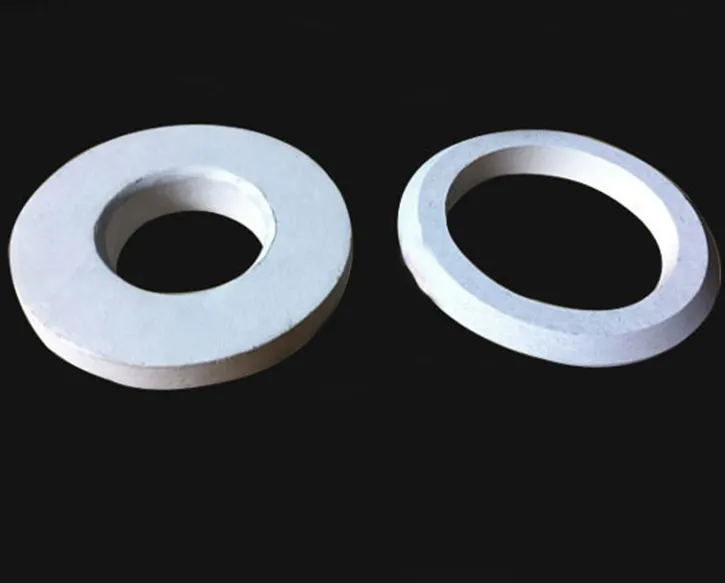
2. What a transition plate is and where it sits in the casting train
Functional location
In hot-top and direct chill billet systems the transition plate sits between the sprue bush or distribution plate and the crystallizer or mold launder. It forms a short, controlled passage that shapes flow before metal meets the colder mold wall. This position gives it an outsized influence on the start of primary solidification for the nascent strand.
Key neighbors include:
-
the sprue bush or pour nozzle
-
distribution launder or distribution plate
-
the crystallizer or mold proper
-
graphite rings, thimbles, and filter boxes
The transition plate often interacts with oxide control treatments and launder geometry to determine whether inclusions escape or become trapped in the casting.
3. Why transition plates matter for quality and yield
Flow control and turbulence reduction
When molten aluminum leaves the sprue, chaotic flow can generate surface turbulence that drags oxides into the metal stream. A well-shaped transition plate calms flow, enabling laminar filling of the mold bore and lowering entrapment of nonmetallics. Pyrotek and refractory manufacturers point to reduced oxide mobility and improved billet surface finish when optimized transition plates are used.
Thermal buffering and solidification control
By providing a controlled thermal interface between hot metal and colder mold, the transition plate helps position the solidification front in a stable, repeatable location. This reduces internal shrinkage and central porosity in billets, producing more uniform mechanical properties.
Wear protection and maintenance reduction
Transition plates take the brunt of abrasive oxides and entrained inclusions, protecting higher-cost components. Replacing the plate is simpler and faster than repairing or resurfacing the mold. Manufacturer notes emphasize lower downtime when the transition element is replaced on a planned interval instead of repairing downstream equipment after failure.
4. Typical materials and their tradeoffs
Common material families
-
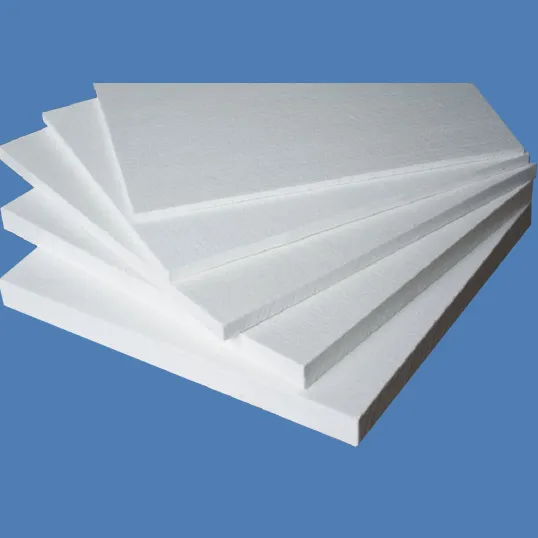
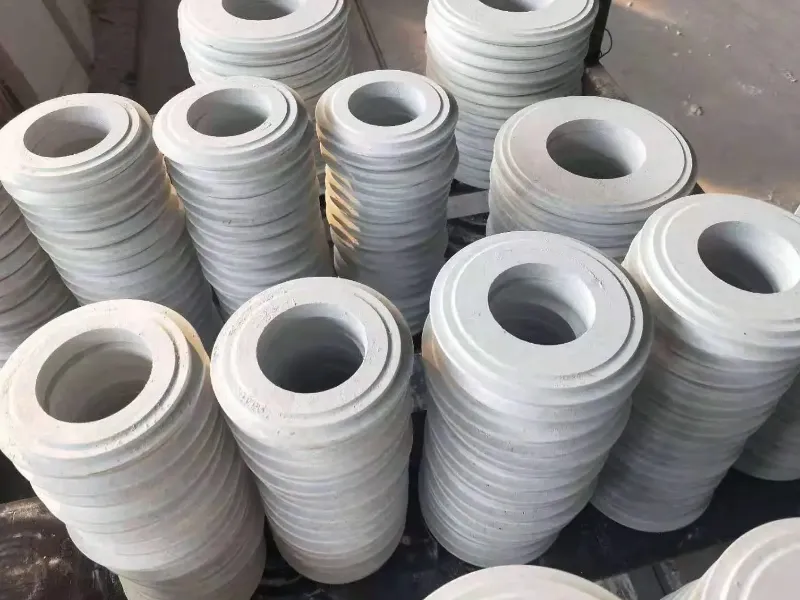
Calcium silicate: widely used in direct chill systems for its thermal insulation and machinability. Manufacturer lines include axisymmetric plates for VDC machines.
-
High alumina ceramics (N17 type, Sigma): engineered refractories offering higher wear resistance, chemical stability, and longer life. These materials can handle more aggressive alloys and higher cycle counts.
-
Graphite composites or coated graphite: used where non-wetting behavior and thermal shock resistance are prioritized; often combined with protective coatings.
-
Engineered carbon fiber boards: utilized by some suppliers for lightweight, corrosion-resistant plates where geometry and density control matter.
Comparative tradeoffs (summary)
-
Calcium silicate offers low cost and ease of machining but shorter life in highly abrasive conditions.
-
N17 and similar high alumina formulations cost more up front, but resist erosion and chemical attack, giving lower life-cycle cost for high-volume operations.
-
Graphite variants resist sticking and have excellent thermal shock tolerance but require surface management to reduce particulate contamination.
5. Geometry, dimensional norms, and mounting considerations
Key geometric parameters
-
Bore diameter: must match the mold bore to prevent eccentric flow.
-
Throat aperture: controls velocity into the mold and therefore the Reynolds number governing turbulence.
-
Ring profile or tapered faces: can direct flow radially or concentrically.
-
Locator features: precision rings or tabs that enforce concentricity at installation.
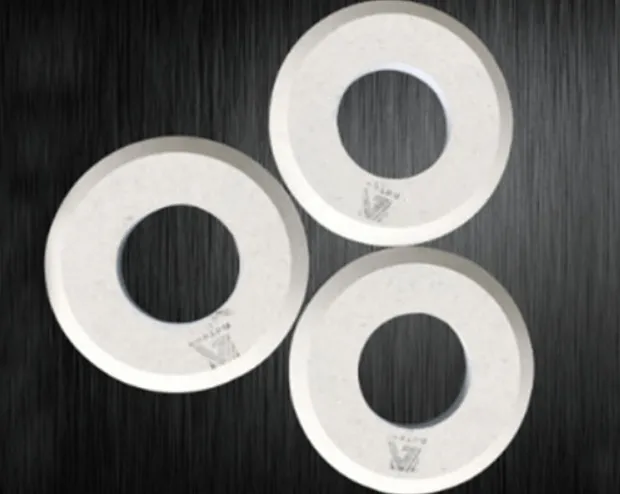
Manufacturers offer axisymmetric designs for vertical direct chill machines and larger-diameter transition configurations for horizontal systems. Features that provide mechanical indexing or “ring-fit” positioning remove guesswork during installation and reduce misalignment risk.
Mounting and alignment
Proper seating against the distribution plate and correct compression with the mold flange are required. Some systems use locating pins and split rings to make alignment repeatable. Misalignment produces localized overheating and early wear.
6. Thermal and chemical performance metrics
What to measure
-
Thermal conductivity and specific heat determine how much heat is removed at the interface.
-
Coefficient of thermal expansion controls mechanical stresses during cooling and heating cycles.
-
Chemical inertness toward aluminum alloys and flux constituents predicts contamination risk.
-
Erosion rate under typical oxide flux loads predicts service life.
Pyrotek literature emphasizes coating technology and refractory chemistry that modify oxide mobility and reduce maintenance.
Typical service life drivers
Service life depends on alloy chemistry, pouring temperature, inclusion loading, flow velocity, and maintenance schedule. High-silicon or high-magnesium alloys may increase chemical attack rates. Frequent high-velocity pours accelerate mechanical erosion.
7. Manufacturing methods and common coatings
Fabrication routes
-
Machined refractory blocks for calcium silicate pieces.
-
Isostatic pressing followed by sintering for high alumina plates.
-
Graphite machining followed by impregnation for graphite types.
-
Composite layup for carbon board variants.
Coatings and surface treatments
Coatings influence oxide mobility and the plate’s wetting behavior. Common treatments include:
-
Pyroslip graphite coatings or similar graphite-based films for release control.
-
Non-wetting ceramic glazes that limit metal adhesion.
-
Anti-oxide chemistries applied periodically to improve flow and reduce build-up.
The right combination decreases maintenance between scheduled shutdowns and improves melt cleanliness.
8. Installation, run-time checks, and maintenance protocol
Pre-installation checklist
-
Verify plate diameter, bore concentricity, and model fit.
-
Inspect mating surfaces on distribution plate and mold for flatness and damage.
-
Confirm availability of spare plates and tools for quick replacement.
Daily and shift-level checks
-
Visual verification of oxide accumulation on plate crown.
-
Thermal checks for hot spots using IR or contact pyrometers.
-
Flow observation during pour to detect splashing or eddies.
Scheduled maintenance
-
Remove and inspect plate at planned intervals based on tonnage or running hours.
-
Recoat or replace when erosion reaches defined limit.
-
Record wear patterns for root-cause analysis.
Manufacturer guidance suggests planned replacement before catastrophic failure to avoid mold damage and extended downtime.
9. Failure modes and troubleshooting checklist
Common failure patterns
-
Eccentric wear due to misalignment.
-
Thermal spalling following repeated shock cycles.
-
Chemical corrosion in incompatible alloy environments.
-
Excessive oxide build-up due to poor flux practice or upstream turbulence.
Troubleshooting steps
-
Confirm alignment and concentricity.
-
Measure wear uniformity across plate face.
-
Check alloy chemistry records for elements that speed corrosion.
-
Review pouring procedure for velocity and splashing points.
-
Test for coating adhesion if treated.
A simple troubleshooting log speeds repair decision making and reduces repeated mistakes.
10. Selection checklist for buyers and engineers
Key selection questions
-
What casting method is used: vertical direct chill, horizontal direct chill, or hot-top?
-
Which alloys dominate the melt schedule?
-
What is planned production tonnage per day?
-
How fast must the replacement swap occur during maintenance windows?
-
What life-cycle budget exists for consumable parts?
Prioritize concentricity features and manufacturer support for geometry matching to reduce installation error.
11. Performance optimization tips for billet and ingot casting lines
Practical adjustments that improve yield
-
Reduce pour velocity by minor adjustments to sprue or nozzle geometry.
-
Use distribution launders to equalize flow before the plate.
-
Implement targeted coatings that reduce oxide adhesion and promote oxide mobility away from the filling front.
-
Monitor temperature uniformity across the plate using IR scanning; correct localized heating.
Small iterative changes with controlled measurement will deliver continuous reductions in scrap.
12. Environmental, safety, regulatory notes for foundries
Material handling and PPE
Refractory dust control during plate handling is essential. Wear appropriate respirators and gloves when machining or disposing of worn plates. Keep documentation for material safety sheets.
Waste and recycling
Spent ceramic or refractory plates should be handled per local disposal rules. Recycling options vary by material; some high-alumina scrap can be reclaimed by specialist vendors.
13. Procurement, cost factors, and life-cycle economics
Cost drivers
-
Base material chemistry and fabrication complexity.
-
Precision machining tolerances and ring-fit features.
-
Applied coatings and pre-treatment options.
-
Shipping costs for heavy or fragile parts.
High-quality plates with higher upfront cost can yield lower total cost per ton when life extension and reduced downtime are measured.
Example calculation approach
-
Estimate plate life in tons or hours.
-
Measure downtime avoided by planned swap versus emergency repair.
-
Calculate total replacement cost divided by useful tons to get cost per ton.
-
Compare across material choices.
Adopting a life-cycle accounting practice yields objective decisions that favor operational continuity.
14. Case summaries and applied examples
Example 1: VDC billet line, high cadence
A medium-sized VDC mill adopted high alumina N17 plates and implemented ring-fit alignment. Result: decreased oxide entrapment, fewer hot top repairs, longer intervals between mold resurfacing. Manufacturer literature supports that ring-fit designs reduce installation misalignment.
Example 2: Hot-top small-batch operation
A small hot-top shop used graphite-coated calcium silicate plates for quick swaps. They prioritized fast replacement over plate life, matching their process economics where downtime cost was low.
15. Tables
Table 1: Material comparison matrix
| Material family | Typical composition | Strengths | Weaknesses | Typical life profile |
|---|---|---|---|---|
| Calcium silicate | CaO-SiO2 based refractory | Low cost, easy to machine | Shorter erosion life, lower chemical resistance | Short to medium |
| High alumina (N17, Sigma) | Al2O3 rich ceramics | High wear resistance, chemical stability | Higher purchase cost, brittle | Medium to long |
| Graphite composite | Graphite, binders, possible impregnation | Thermal shock resistant, non-wetting | Oxidation risk, dust handling | Medium |
| Carbon fiber board | Carbon fiber matrix | Lightweight, corrosion resistant | Limited high-temp lifetime vs refractories | Short to medium |
(Sources: supplier product pages and technical brochures.)
Table 2. Typical dimensional templates for VDC plates
| Casting bore diameter (mm) | Transition plate outer ring (mm) | Typical throat aperture (mm) | Locator features |
|---|---|---|---|
| 150 | 200 | 60 | concentric ring-fit pin |
| 200 | 260 | 90 | split ring locator |
| 300 | 360 | 120 | dowel pins and ring-seat |
(Use vendor-specific drawings for final machining data.)
Table 3. Maintenance decision matrix
| Wear condition | Immediate action | Long-term fix |
|---|---|---|
| Minor uniform wear | Recoat, return to service | Increase inspection frequency |
| Eccentric wear | Replace plate, check alignment | Modify locator system |
| Thermal cracking | Replace, review heating cycles | Change material or apply tougher coating |
| Chemical erosion | Replace, analyze alloy chemistry | Choose higher alumina plate |
Refractory Transition Plates: Technical FAQ
1. What is the primary purpose of a transition plate?
2. Which material gives the longest service life?
3. How often should a plate be inspected?
4. Can a transition plate fix porosity problems?
5. Is coating necessary for transition plates?
6. What causes eccentric wear on the plate?
[Image showing even vs uneven wear patterns on transition plates]
7. Are there standard sizes for these plates?
8. Does the transition plate influence the mechanical properties of the alloy?
9. Can worn transition plates be recycled?
10. What documentation should suppliers provide?
Closing summary and recommended next steps
Transition plates are a cost-effective consumable that influence casting quality strongly. For teams planning upgrades, the next steps are:
-
Audit current plate wear patterns and downtime incidents.
-
Collect alloy mix and daily tonnage numbers.
-
Engage multiple suppliers for geometry-matched quotations showing life-cycle cost estimates.
-
Trial a higher-grade plate with controlled metric collection for 30 days.