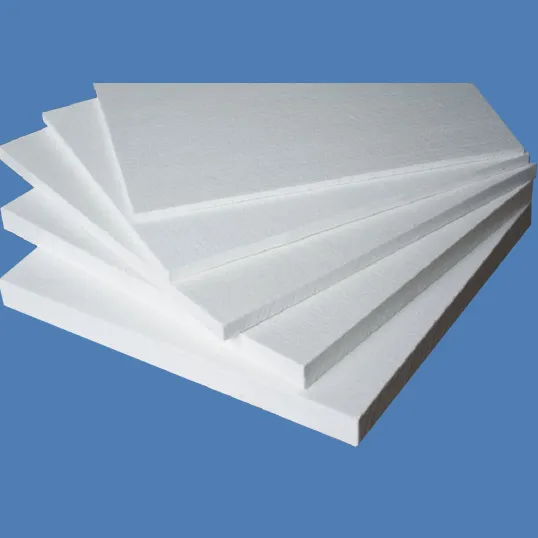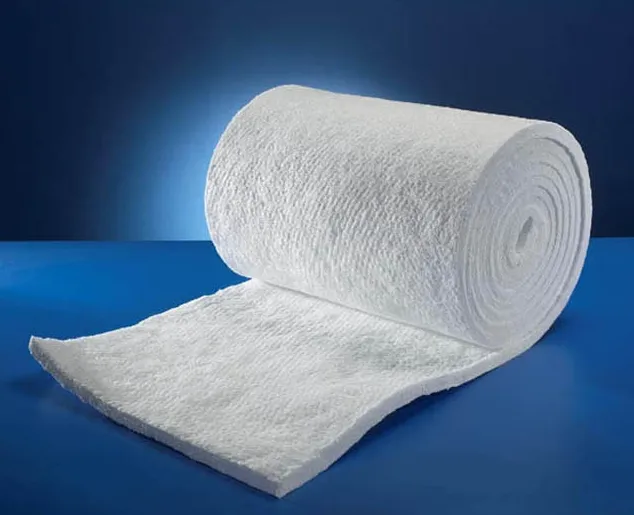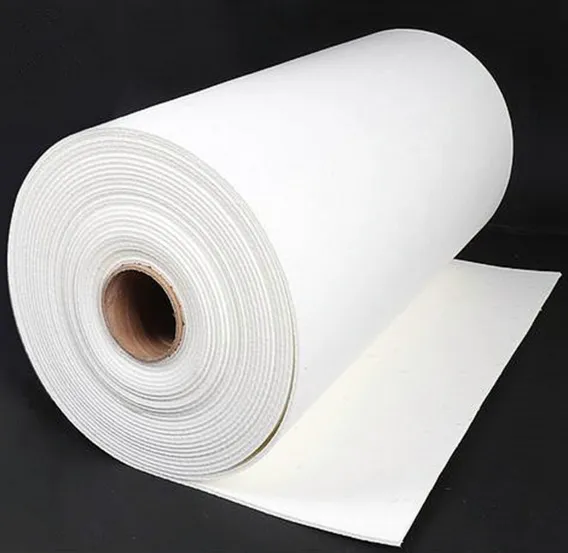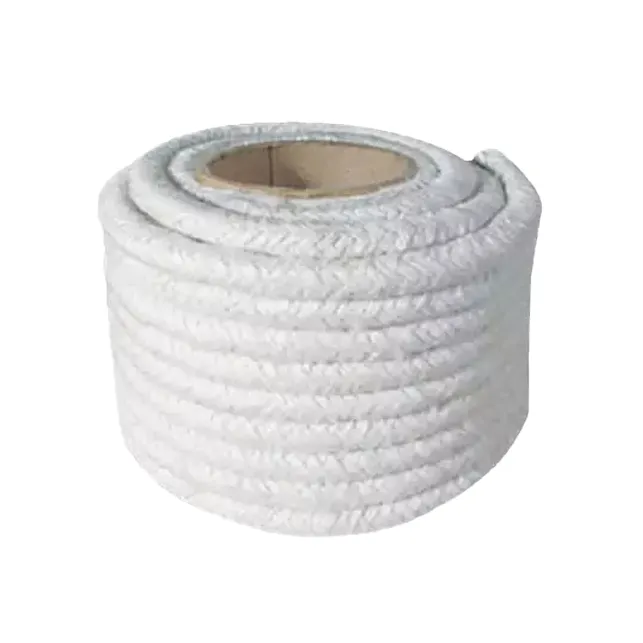

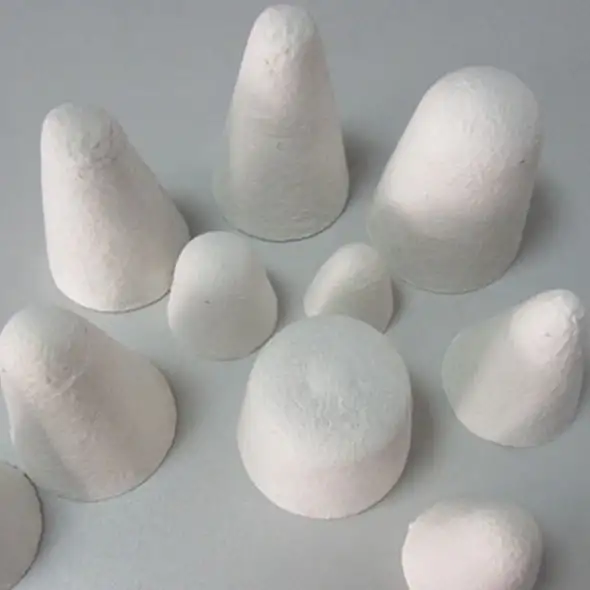
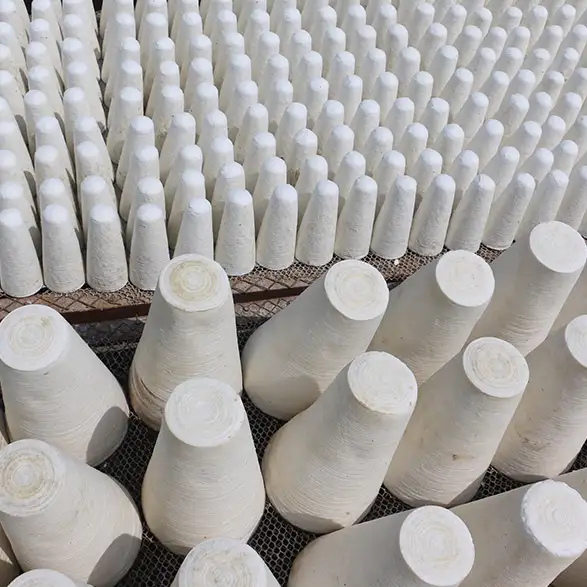
A properly specified ADtech tap out cone reliably seals and meters molten aluminum outlets, prevents slag carryover, reduces thermal loss, and makes tap and pour operations safer and more repeatable; used with correct seating hardware and preheat practice, this shaped refractory element improves downstream filter life and casting yield while keeping maintenance simple and predictable.
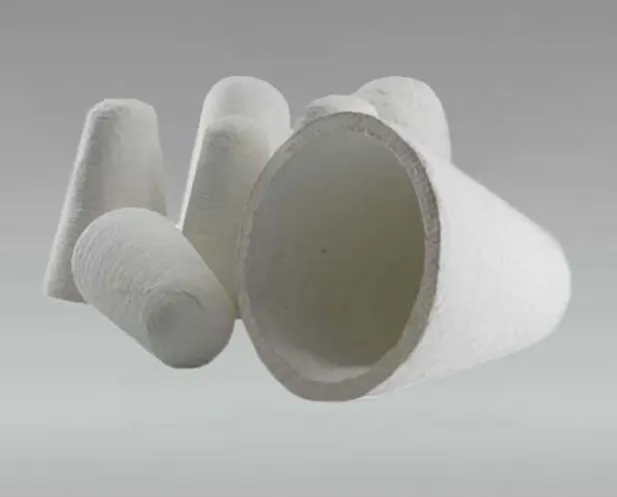
Product overview and intended uses
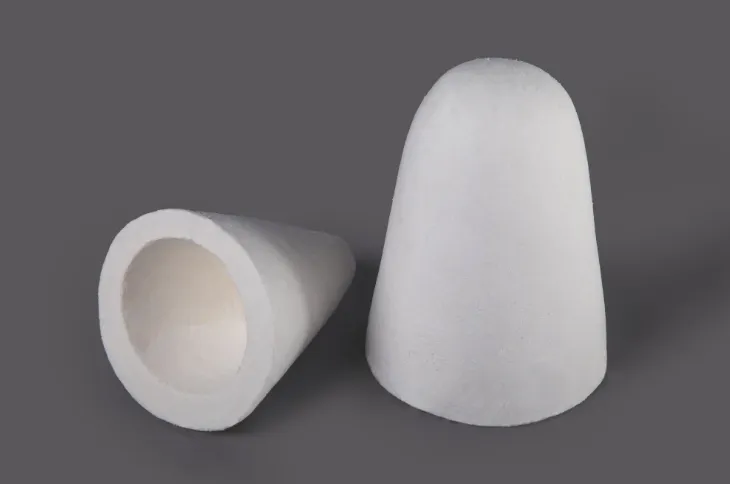
A tap out cone is a shaped refractory insert used to temporarily plug or seal a taphole, nozzle, or outlet during aluminum melting, holding and transfer operations. It provides thermal insulation at the opening, prevents slag and oxide films from entering the flow, and permits controlled opening or re-sealing for pours. Typical locations include furnace tap holes, filter box outlets, kiln ports and temporary stops in launders and troughs. Tap out cones are widely used across non-ferrous casting operations where controlled metal flow and low contamination are critical.
Key functional roles:
-
Sealing and insulating the tap hole between pours.
-
Acting as a sacrificial, low-wetting barrier that limits slag entrainment.
-
Providing a smooth, low-adhesion contact surface that simplifies removal and replacement.
-
Enabling staged or metered pouring when used with matching iron or steel inserts.
This component is small and low-cost relative to furnaces and filters but yields outsized operational benefits when selected and used correctly.
Specification:
| Items | Length | Shape | Package | Special Package |
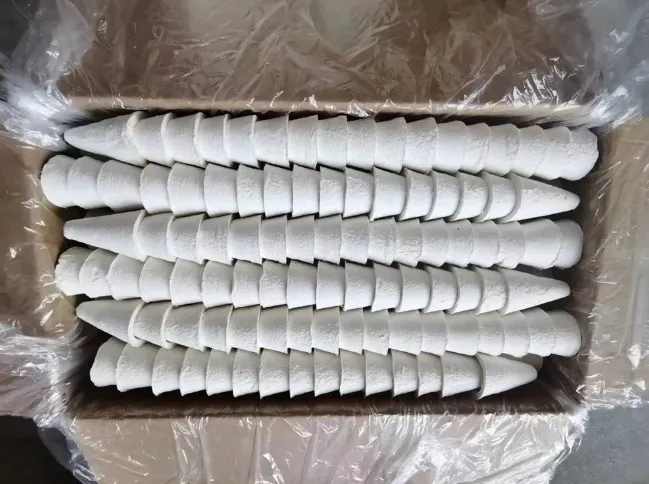
| Tap out cone | 20-350mm | Cone shape / cylinder / open shape | 100-300pcs/box | As required |
Chemical component:
| Chemical Composition | AL2O3 | SiO2 | Fe2O3 | TiO2 |
| Model Parameter(%) | 45.28 | 51.79 | 0.3 | 1.3 |
Technical Parameters:
| Item | Density g. cm3 |
Rupture modulus (816℃ Mpa) |
Thermal expansivity (680℃ K-1) |
Thermal conductivity
540℃W/k.m |
Max operating temperature (℃ ) |
| Index(%) | 0.3 | 1.5 | 1.56*10-6 | 0.05 | 1100 |
Why tap out cones matter in an aluminum casthouse
Molten aluminum carries oxide films, flux residues and dross on its surface. Without an effective tap seal and flow-moderating geometry, these contaminants can enter the stream and reach the filter face or mold, causing porosity, inclusions and cosmetic defects. A tap out cone reduces contamination by creating a short calm zone and a physical barrier between the surface layer and the outlet. It also reduces heat loss and prevents the tap hole plug from sticking to the metal or breaking. Operational benefits include lower scrap, fewer filter replacements and simpler operator handling during pour cycles.
Practical example: in many production shops a simple improvement in tap sealing practice lowers visible surface blemishes on high-precision parts and reduces carving and trimming costs in downstream machining processes.
Materials and manufacturing methods
Primary materials
Manufacturers typically make tap out cones from one of the following material families:
-
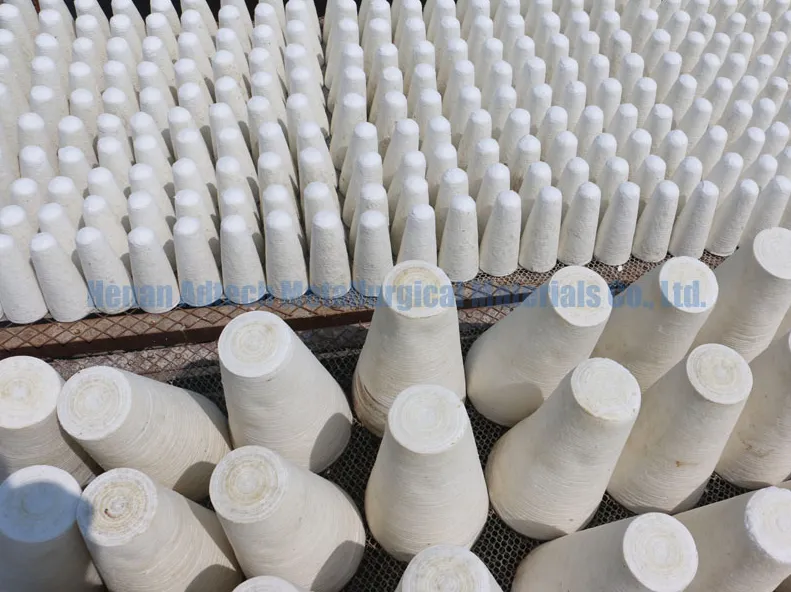
Alumina-silicate ceramic fiber formed bodies. These are light, low-thermal-conductivity shapes made from high-purity ceramic fibers bound with inorganic binders. They combine low weight with thermal insulation and reasonable mechanical strength.
-
Dense alumina or shaped refractory castings. These parts have higher mechanical strength and wear resistance for heavy-duty lines. They trade some insulation for toughness.
-
SiC-reinforced or zirconia-enriched compounds. Used where aggressive fluxing or abrasive inclusions accelerate erosion.
Typical forming methods
-
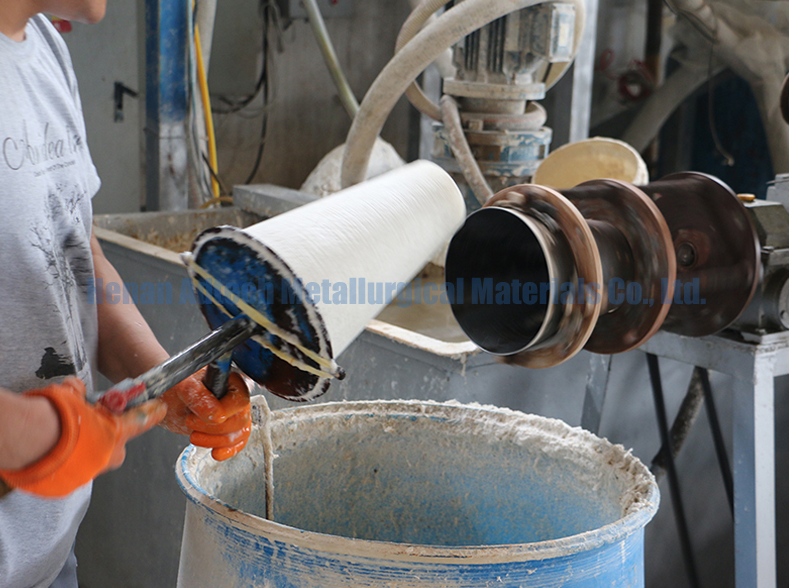
Vacuum forming of fiber mixes creates lightweight, smoothly contoured cones that resist sticking and provide good insulating properties. This is a common production method for disposable or semi-disposable cones.
-
Press-casting or dry pressing of dense refractories yields more durable geometries for repeated cycles.
-
Machining and finish grinding are used when precise seating dimensions or tight tolerances are required.
Manufacturers select binder systems and processing schedules to minimize shrinkage and to deliver the required balance of toughness and insulating performance.
Geometry, sizing and families of shapes
Tap out cones come in multiple standard shapes and sizes plus custom forms for special tap-hole profiles.
Common variants
-
Short conical cap for small ladles and lab furnaces.
-
Tall tapered cone that covers a flanged iron cone or spout.
-
Sleeve or cup style used on vertical nozzles.
-
Composite units with integrated gasket shoulders for seating.
Table 1: Typical industrial sizes
| Model family | Typical outer diameter at base (mm) | Height (mm) | Typical use case |
|---|---|---|---|
| TOC-S (small) | 30 – 60 | 40 – 80 | Lab pots, small ladles |
| TOC-M (medium) | 60 – 120 | 50 – 120 | Standard holding furnaces |
| TOC-L (large) | 120 – 300 | 100 – 250 | Industrial launders, filter boxes |
| TOC-C (cup) | Custom OD | Custom | Special nozzles and kiln ports |
When specifying size, match the cone base to the tap hole seat geometry and provide a small interference or compressive fit that prevents metal bypass while permitting removal.
Functional mechanics and installation principles
A tap out cone functions by two mechanical principles: sealing and surface control.
Sealing depends on seating geometry and compressive fit. The cone should sit on a matching iron cone, refractory seat or flange that prevents metal from flowing around the outside edge. Use high-temperature gaskets or compressible refractory rope if required to eliminate bypass channels.
Surface control comes from the cone’s position relative to the metal surface. A well-placed cone creates a calm pocket behind its face so surface oxides float away from the outlet. When the cone is removed or displaced during a controlled tap, this calm pocket reduces the amount of surface contamination that can be sucked into the outgoing stream.
Installation checklist
-
Inspect mating seat and remove any loose scale or old gasket material.
-
Preheat cone and seat to recommended temperature using the shop preheat method.
-
Position cone on seat with the specified orientation and apply clamps or counter-weight if designed for retention.
-
For cup-style cones, ensure the internal bore aligns to the nozzle axis to prevent off-axis flow.
-
Record cone ID and seat pairing to speed future replacement and to track wear.
Heat management and preheat procedures
Moisture in refractory parts can produce steam, spalling or explosive damage when first exposed to molten metal. Preheating reduces these risks and extends component life.
Recommended preheat practice
-
Use a controlled oven, induction blanket or heater jacket. Typical ramp rates are 50°C per hour up to 400–600°C, then slower to working temperature if required.
-
For lightweight fiber cones, a shorter soak at moderate temperatures (150–300°C) may be sufficient before placing on a hot seat.
-
Verify no visible condensation on the part before introduction to molten metal.
-
Preheat both the cone and the seat to similar temperatures to reduce thermal gradients.
Table 2 provides practical preheat guidance.
Table 2: Practical preheat schedule
| Component type | Initial temp (°C) | Ramp suggestion | Soak time |
|---|---|---|---|
| Fiber vacuum-formed cone | 100 – 200 | 5 – 20°C/min to 250°C | 15 – 30 minutes |
| Dense alumina cone | 150 – 300 | 10°C/min to 500°C | 30 – 60 minutes |
| SiC-reinforced cone | 150 – 350 | 10°C/min to 600°C | 30 – 60 minutes |
Adjust schedules for part mass and shop oven capability. Always follow supplier preheat recommendations.
Interaction with tap hole plugs, seats and iron cones
Tap out cones are commonly used in conjunction with metallic or refractory tap plugs and iron cones.
-
Iron cones form a rigid core that can be used repeatedly; the tap out cone sits over the iron cone to provide insulation and to prevent sticking.
-
Refractory tap plugs can be supported with a tap out cone that reduces direct metal contact and insulates the plug during idle periods.
-
In some systems operators place the cone onto a male steel wedge or screw-actuated plug for faster opening and closing.
Key compatibility points:
-
Ensure dimensional match: poor alignment creates bypass paths.
-
If your shop uses a metallic core, check for galvanic or thermal mismatch that could lead to wedge-stick or uneven wear.
-
For automated systems, use cones with consistent dimensions and low variability so actuators and seats maintain reliability.
Mounting, sealing and anti-bypass design
Preventing metal bypass around the cone is critical. Common sealing techniques include:
-
Compressible refractory rope gaskets moistened slightly and installed between cone base and seat.
-
Tapered interference fit where the cone slightly compresses into a refractory seat.
-
Mechanical clamp plates or retaining rings for vertical cones that must resist pressure during pour.
-
Precision-ground mating faces for high-repetition automated systems.
Best practice: design seats with a secondary containment boundary so if the primary seal degrades, metal is captured in a small channel rather than flowing uncontrolled into the casthouse.
Compatibility with filtration and launders
Placing a tap out cone upstream of filtration or launder systems provides operational protection for downstream media.
-
When placed upstream of a filter box the cone keeps dross and surface slag away from the filter face until intentional tapping occurs.
-
When used with an inline launder, the cone reduces jet impact on the launder lip and helps maintain laminar flow into degassing and filtration stations.
-
For online plate- or foam-filter lines, a well-seated cone reduces spike loads on the filter, thereby extending filter life and maintaining steady head loss characteristics.
Practical note: coordinate cone opening timing with degassing cycles to ensure the first metal to reach the mold has been treated and filtered.
Durability, wear modes and lifespan planning
Wear and failure modes for cones differ by material:
-
Fiber-formed cones: typically lighter, they erode slowly and can fragment under severe mechanical abuse. They are often considered semi-disposable and replaced routinely.
-
Dense ceramic cones: better resistance to abrasion but may crack under thermal shock or impact. Periodic inspection for hairline cracks and spalling is important.
-
SiC-enhanced cones: lower erosion rates in abrasive environments but are costlier.
Table 3: Typical life expectancy by duty
| Duty level | Cone type | Typical life (pours) |
|---|---|---|
| Low duty, lab use | Fiber vacuum-formed | 50 – 300 pours |
| Moderate production | Dense alumina | 300 – 2000 pours |
| Heavy duty, abrasive melt | SiC-reinforced | 1000+ pours depending on abuse |
Record run-hours and tonnage processed per cone to forecast replacement and to optimize spares inventory.
Safety, handling and environmental notes
Tap out cones are safety-critical items.
-
Handle with gloves and eye protection when hot. Refractory dust can be a respiratory hazard; use appropriate masks during machining or cutting.
-
Capture and segregate worn cones and accompanying dross; many contain recoverable metal and should be routed to recycling streams per environmental rules.
-
When removing a cone from a hot seat, avoid sudden movement that could drop molten metal. Use lifting tools designed for the cone geometry.
-
Implement safe storage for preheated cones so they do not cool and fracture unexpectedly.
Inspection, cleaning and replacement checklist
Daily checks
-
Verify seating surface is clean and free from spalls.
-
Ensure cone reads preheat temperature on thermocouple or that oven records show proper soak.
-
Inspect gasket or rope seal for compression and integrity.
Weekly checks
-
Measure cone dimensions and check for gradual erosion at lip and base.
-
Check for hairline cracks using visual and tactile inspection.
Replacement triggers
-
Visible cracking, significant thinning of base or wall, unacceptable bypass leakage during pours, or any noticeable change in pour behavior versus documented pour curves.
Keep a cone log with ID numbers, installation date, and tonnage processed to aid lifecycle analysis.
Troubleshooting matrix
Table 4: Common problems and corrective actions
| Symptom | Root cause | Recommended corrective action |
|---|---|---|
| Metal bypass around cone | Improper seating, worn gasket | Clean seat, replace gasket, re-seat cone |
| Cone sticking to iron core | Metal adhesion, insufficient coating | Use BN coating, inspect mating surfaces, adjust seating pressure |
| Cone cracking on first use | Rapid thermal shock | Review preheat schedule, ramp more slowly |
| Frequent cone wear | Abrasive inclusions or jet impingement | Add upstream skimming, adjust pour geometry, consider tougher material |
| Excess slag in downstream filter | Cone too shallow or positioned in surface layer | Lower cone or use cup-style to draw from deeper metal |
Record corrective steps and monitor outcomes to build a fault database for operators.
Economic case and ROI considerations
Tap out cones are inexpensive relative to large capital equipment but influence downstream consumable life and scrap rates. Savings come from:
-
Fewer filter replacements when cones prevent slag spikes.
-
Lower scrap from fewer inclusion-related rejections.
-
Faster pour cycles and reduced emergency downtime.
Table 5: Example ROI snapshot
| Parameter | Example input | Note |
|---|---|---|
| Annual throughput | 3,000 tonnes | |
| Scrap reduction due to improved tap sealing | 0.6% absolute | Reduced rework and trim |
| Metal saved annually | 18 tonnes | 0.6% of 3,000 t |
| Metal value per tonne (example) | $1,800 | Market dependent |
| Annual metal value saved | $32,400 | |
| Incremental cone + gasket cost per year | $3,000 | Consumables and spares |
| Net annual benefit | $29,400 | Excludes labor savings |
Site-specific data will refine the payback estimate; in many cases a modest program of cone standardization and preheat control pays back in months.