
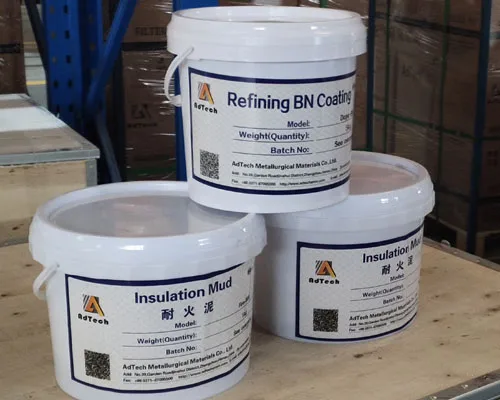
Use a high-temperature refractory mortar matched to the brick chemistry and service profile. For masonry joints in kilns and forges, select a mortar rated for the brick type (high-alumina mortar for high-alumina brick, fireclay mortar for fireclay brick, silica mortar for silica brick). Never rely on thin-setting refractory cement for a flame-facing surface; where a continuous refractory lining or flame face is needed, choose a castable refractory or a heat-setting castable rated for direct flame contact. Proper mixing, joint thickness control, drying and heat curing are crucial to prevent early cracking, spalling, or chemical attack. Protective clothing, correct ventilation, and measured handling will extend service life and reduce hazards.
1. What is Refractory Mortar?
Refractory mortar is a special cement-based adhesive designed for high-heat applications, used to bond firebricks in fireplaces, wood stoves, pizza ovens, kilns, and chimneys, protecting structures from extreme temperatures (often 2000°F+) by providing strong, heat-resistant joints and smooth interior surfaces. It’s available as pre-mixed dry blends (just add water) or ready-to-use, often featuring fireclay, silica sand, and heat-resistant cements, with types like air-setting or heat-setting for different needs.
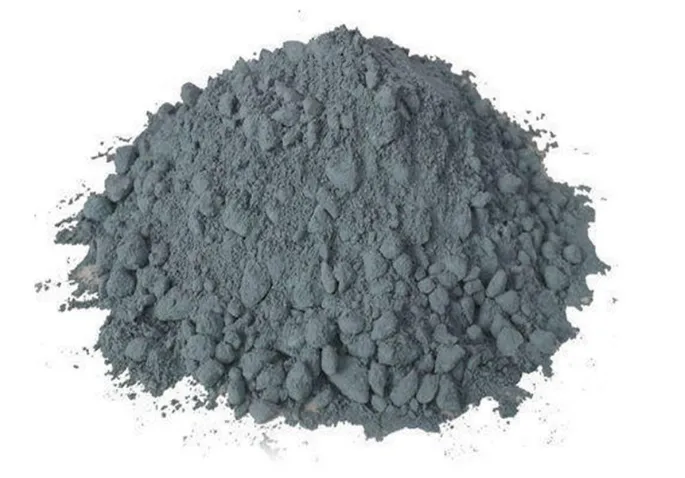
For masonry construction or repair of kiln and forge linings, use a mortar formulated for the same refractory family as the bricks. When direct flame contact or a monolithic lining is required, use a properly cured castable refractory rated for the operating temperature. Apply joints at recommended thickness, control moisture removal slowly, and perform staged heat ramping during first firing. These steps preserve bond strength, reduce thermal shock risk, and keep the lining intact during service.
2. Types & Uses
Refractory Mortar: A blend for bonding firebricks and masonry, creating a solid structure.
Refractory Cement/Castable: Used as a binder or surface coating over ceramic fiber (like Kaowool) to seal it, prevent fumes, and enhance insulation.
High Heat Resistance: Handles temperatures from 2,000°F up to 3,000°F or more.
Bonding & Sealing: Joins refractory bricks and seals gaps to stop heat loss.
Safety: Seals ceramic wool to prevent inhalation of toxic fibers.
| Property | Air-Setting Mortar | Heat-Setting Mortar |
| Service Temp | Up to 1600°C | Up to 1750°C |
| Bonding Type | Chemical/Hardens at Room Temp | Ceramic/Hardens at High Temp |
| Main Content | Al2O3 / Silica | High Alumina / Magnesia |
| Application | Brick joints, patching | Heavy-duty kiln linings |
3. Refractory mortar fundamentals: composition and function
3.1 Function
Refractory mortar’s principal role is to bond refractory masonry units and seal joints so that heat transfer, chemical ingress, and mechanical movement occur without premature damage. Mortar must tolerate thermal expansion, mechanical load, chemical exposure, and repeated heat cycles.
3.2 Basic composition
Typical components include:
-
Fine refractory aggregates (pulverized fireclay, alumina, silica, magnesia)
-
A binder (hydraulic binders, phosphate binders, or sodium silicate for some mixes)
-
Optional additives for workability, slurry stability, or improved adhesion
3.3 Setting types
Two broad families exist:
-
Air-setting mortars that harden by drying or by a chemical binder at room temperature
-
Heat-setting mortars that gain their full refractory properties only after exposure to elevated temperature
Understanding which group a product belongs to is essential for correct drying, first-fire behavior, and ultimate strength.
4. Major mortar families and selection rules
Below is a practical primer on mortar families and when to pick each.
4.1 Fireclay mortar
-
Composition: high proportion of aluminosilicate clays with moderate alumina content
-
Typical uses: general-purpose kiln linings, wood-fired kilns, lower-temperature fired masonry
-
Strengths: cost effective, forgiving during installation
-
Limitations: lower refractoriness than high-alumina mortars
4.2 High-alumina mortar
-
Composition: elevated alumina (typically 40% to 80% Al2O3)
-
Typical uses: glass furnaces, high-temperature kiln zones, metallurgical lining joints
-
Strengths: higher hot strength, abrasion resistance
-
Limitations: higher cost; must match high-alumina bricks for compatibility
4.3 Silica (quartz) mortar
-
Composition: high silica content; suited to silica bricks
-
Typical uses: acidic furnace linings and areas where silica brick is used
-
Limitations: low resistance to basic slags or environments rich in caustic substances
4.4 Magnesia and magnesia-phosphate mortars
-
Composition: magnesia-based aggregate with a phosphate or chemical binder
-
Typical uses: basic furnace linings in steel and cement industries
-
Strengths: chemical resistance to basic slags
-
Limitations: not suitable for acidic environments
4.5 Phosphate-bonded mortars
-
Composition: phosphate binder that gives rapid strength gain under heat
-
Typical uses: quick repair or anchoring applications
-
Strengths: rapid set after heat exposure
-
Limitations: careful handling due to chemistry
4.6 Castable refractories (cement-like products)
-
Composition: refractory aggregates combined with hydraulic or other binders to form a pourable mass
-
Typical uses: monolithic linings, flame-face repairs, patching large areas
-
Strengths: ability to form continuous, joint-free surfaces and to be cast to shape
-
Limitations: require correct curing and heat ramping to avoid cracking
Selection rule: pair mortar chemistry to brick chemistry; match working temperature to service temperature; choose setting mode to match installation conditions.
5. Performance attributes and temperature ratings
5.1 Temperature ratings
Manufacturers often state maximum continuous-use temperatures or specific softening points. Common hobby and light industrial mortar products have ratings near 2,700°F (about 1,480°C). Heavy industrial castables and specialized bricks can reach higher values depending on chemistry. Use the lowest rated component in the system for selection and safety margin.
5.2 Mechanical properties
Key properties include:
-
Cold crushing strength
-
Young’s modulus and elasticity for thermal strain matching
-
Creep resistance at operating temperature
5.3 Thermal properties
-
Thermal expansion coefficient must be compatible with bricks to reduce joint stress
-
Thermal conductivity affects heat retention and lining thickness calculations
5.4 Chemical resistance
Mortar must resist attack by sulfates, alkalis, slag constituents, or reducing atmospheres depending on the kiln or forge feedstock.
5.5 Workability and pot life
Practical concerns during installation include trowelability, slump, and working time after mixing. Products for field use often include recommended water ratios and mixing speeds to achieve target consistency.
(Technical specs vary by vendor; consult product technical data sheets for exact numerical values.)
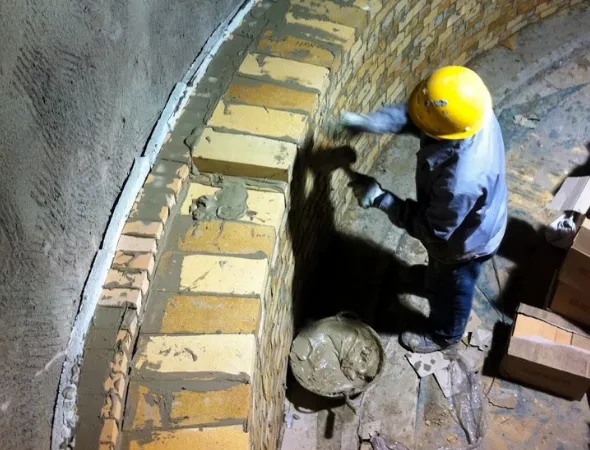
6. Installation best practices: mixing, joints, curing, and drying
6.1 Mixing fundamentals
-
Use clean water only; measured water ratios ensure consistent properties
-
Mix long enough to wet all particles and eliminate lumps, but avoid excessive entrained air
-
For factory premixes, follow vendor-recommended water percent for trowel, brush, or dipping applications. For example, some kiln cement products recommend different water percentages for trowel versus dipping techniques.
6.2 Joint design and thickness
-
Typical joint thickness for refractory mortar ranges 1/8 inch to 1/2 inch for firebrick masonry; smaller joints often preferred for better thermal performance
-
Avoid overly thin mortar in areas where differential movement occurs; excessive thickness invites shrinkage cracking
6.3 Bedding and pointing
-
For bedding, butter the brick faces and press units into position, removing excess mortar
-
For pointing, compact mortar into the joint to remove voids and produce clean contact
6.4 Drying and initial heating
-
Allow ambient drying time where possible; do not expose fresh mortar to rapid, intense heat
-
Stage the first heat in controlled ramps: low temperature hold periods followed by gradual increase to operating temperature to permit bound water removal and slow sintering
6.5 Curing castable materials
-
Many castables require a specific curing cycle; typical steps include wet cure, ambient set time, then slow heat ramp to avoid steam pop and cracking
6.6 Anchoring and mechanical restraint
-
Where possible, provide mechanical anchors or metal straps to restrain linings under mechanical or vibrational load
These techniques reduce the likelihood of early failure and promote long service life.
7. Repair techniques for kilns and forges
7.1 Small joint repairs
-
Remove loose material, brush dust from joint, dampen substrate lightly, apply matching mortar, compact, and finish. Allow slow drying, then perform staged heat.
7.2 Spall patching
-
For deeper spalls, clean to sound brick, undercut to a keyed profile if possible, use a castable patch or form-retained repair, cure per product instructions.
7.3 Flame-face damage
-
If mortar is used in a flame-face position and shows rapid deterioration, remove degraded material and apply a castable refractory specifically rated for direct flame contact, or replace with heat-resistant lining designed for flame-facing surfaces. Community experience cautions that ordinary refractory cement will fail quickly when exposed to direct flame.
7.4 Repointing entire linings
-
For large-scale repointing, scaffold work safely, plan brick sequencing to keep structural integrity, and consider partial relining to maintain operation where possible.
8. Common failure modes and prevention
8.1 Shrinkage cracking
Cause: too rapid drying, excessive joint thickness, or incompatible chemistry.
Prevention: control joint thickness, follow cure cycle, use compatible mortars.
8.2 Chemical attack
Cause: slags, fluxes, or aggressive atmospheres.
Prevention: choose chemically resistant mortar (e.g., magnesia for basic slags).
8.3 Loss of bond or debonding
Cause: poor surface preparation or contamination.
Prevention: clean brick faces, dampen per instructions, compact mortar fully.
8.4 Thermal shock failure
Cause: sudden temperature changes or mismatched thermal expansion.
Prevention: staged heating, matched thermal expansion coefficients.
9. Health, safety, handling, storage, and waste
9.1 Personal protection
-
Use gloves, eye protection, and a suitable respirator when mixing dusty powders
-
Some binders or additives can cause skin irritation; avoid direct contact
9.2 Dust control
-
Mix in ventilated areas or use local extraction; wet mixing reduces airborne dust.
9.3 Storage
-
Keep bags dry, stacked off concrete, and rotate stock to avoid moisture pickup.
9.4 Disposal
-
Hardened refractory waste is inert but bulky; dispose per local regulations. Contaminated wet residues should be handled per hazardous-waste rules if they contain hazardous additives.
10. Product selection checklist and specification template
Use the checklist below when selecting a product for a kiln or forge project.
Selection checklist
-
Operating maximum temperature
-
Brick or lining chemistry; match mortar chemistry
-
Setting type: air-setting or heat-setting
-
Required bond strength and mechanical load capacity
-
Chemical exposures (slag, flux, atmosphere)
-
Workability needs and mixing method
-
Cure cycle requirements and first-fire constraints
-
Vendor technical support and available data sheets
Simple specification template
-
Project: kiln/forge zone name
-
Brick type: e.g., 45% Al2O3 high-alumina brick
-
Operating temperature: X°C continuous, Y°C peak
-
Selected mortar product: name, manufacturer
-
Joint thickness: specified range
-
Mixing ratio: water percent by weight
-
Initial cure: ambient hours, heat ramp schedule
-
Safety notes: PPE and ventilation requirements
11. Comparative quick-reference tables
Table 1. Mortar family quick comparison
| Mortar family | Typical max use temp | Best fit bricks | Strengths | Limitations |
|---|---|---|---|---|
| Fireclay | ~1,400°C (varies) | Fireclay brick | Cost effective, general purpose | Lower hot strength |
| High-alumina | up to 1,700°C | High-alumina brick | High hot strength, abrasion resistance | Higher cost |
| Silica | up to 1,600°C | Silica brick | Good for acidic environments | Poor basic slag resistance |
| Magnesia | up to 1,800°C | Magnesite brick | Basic slag resistance | Not for acidic service |
| Phosphate-bonded | varies | Quick repairs, anchors | Rapid heat-set | Requires correct heat cure |
| Castable refractory | varies widely | Monolithic linings | Continuous surfaces, flame-face use | Needs controlled curing |
(Temperature bands depend on specific product formulations; consult manufacturer data.)
Table 2. Typical mixing targets and pot-life (example ranges)
| Application method | Water by weight (%) | Working time (minutes) |
|---|---|---|
| Trowel-applied mortar | 25 to 35 | 20 to 60 |
| Dipping slurry | 45 to 55 | 10 to 30 |
| Castable pour | 10 to 18 (depending on dry vs. pump mixes) | 30 to 90 |
(Values vary by product. Example kiln cement products give separate water recommendations for trowel and dipping uses.)
Table 3. First-fire heat ramp example (small kiln or forge)
| Stage | Target temp | Hold period |
|---|---|---|
| Preheat | Room to 100°C | 2 to 6 hours (vent moisture) |
| Low ramp | 100°C to 300°C | 1 hour hold |
| Moderate ramp | 300°C to 500°C | 1 hour hold |
| Final ramp | 500°C upward to design | Incremental increases with holds |
This example prioritizes slow moisture removal to avoid steam expansion and cracking.
12. Frequently encountered myths, corrected
-
Myth: Any refractory cement can be used in flame-face positions.
Correction: Many cements will fail quickly under direct flame; castables or specially rated materials are needed. -
Myth: Thicker mortar always improves longevity.
Correction: Excess thickness can shrink and crack; follow recommended joint sizes. -
Myth: Rapid heating shortens repair time with no risk.
Correction: Rapid heating invites steam pop and delamination; staged ramping is essential.
13. Refractory Mortars & Castables: Technical FAQ
1. Can I use ordinary refractory cement to patch the inside surface of a forge?
2. How thick should mortar joints be for firebrick in a kiln?
3. What mortar type matches high-alumina bricks?
4. Should I wet bricks before bedding them with mortar?
5. How long must a castable refractory cure before first firing?
6. Can I use sodium silicate binder mortars for forges?
7. What causes mortar to flake or spall after the first heat?
8. Is there a difference between kiln cement and refractory mortar?
9. Can I mix refractory mortar by hand?
10. Are there fast-setting mortars for quick repairs?
14. Appendix: typical technical data and sample field recipe
14.1 Example product data points (manufacturer guidance)
-
Example: Kiln cement dry mix — recommended trowel water 29%, dipping water 50%; expect roughly 86 lb per cubic foot for density.
14.2 Simple fireclay mortar field mix (illustrative, for experienced users only)
-
70 parts pulverized fireclay
-
30 parts fine kaolin or high-temperature aggregate
-
Water to workable trowel consistency
-
Notes: this is a generalized recipe and must be tuned. For critical service use a tested commercial product and request the vendor technical data sheet.
Final notes on sourcing and verifying suppliers
When choosing mortar products, request technical data sheets and compatibility guidance from suppliers. Compare cold crushing strength, refractoriness, recommended joint thickness, and detailed cure instructions. If the application is safety critical or industrial, request laboratory test data and place small-scale mockups before full installation.