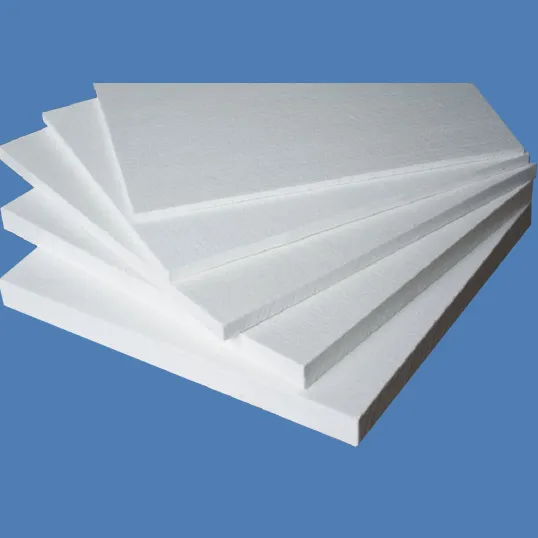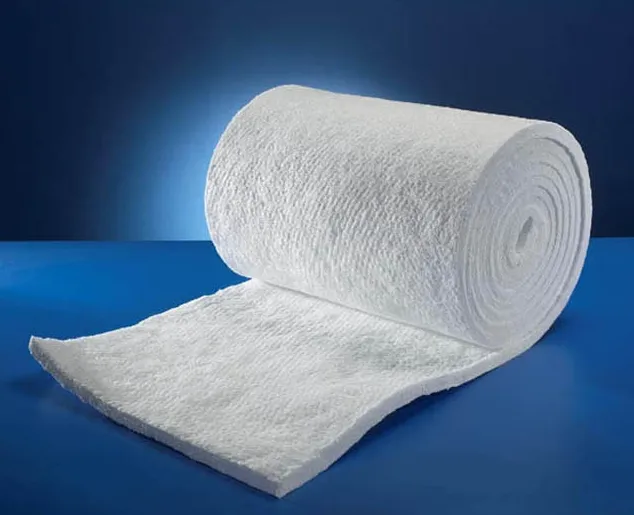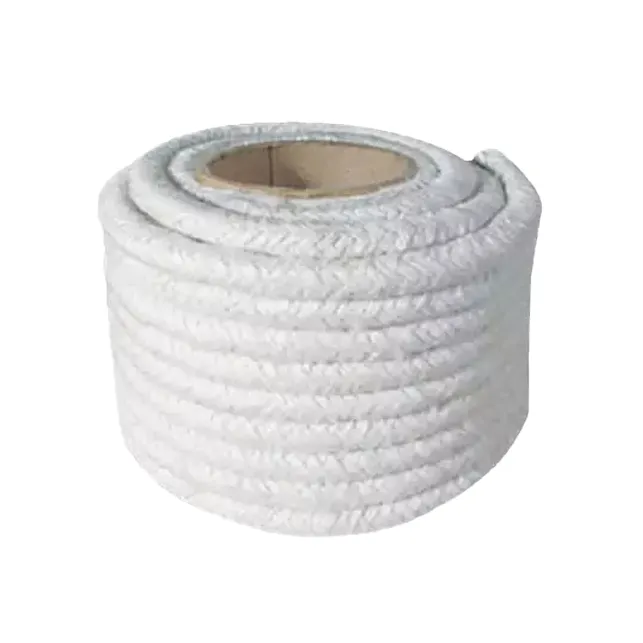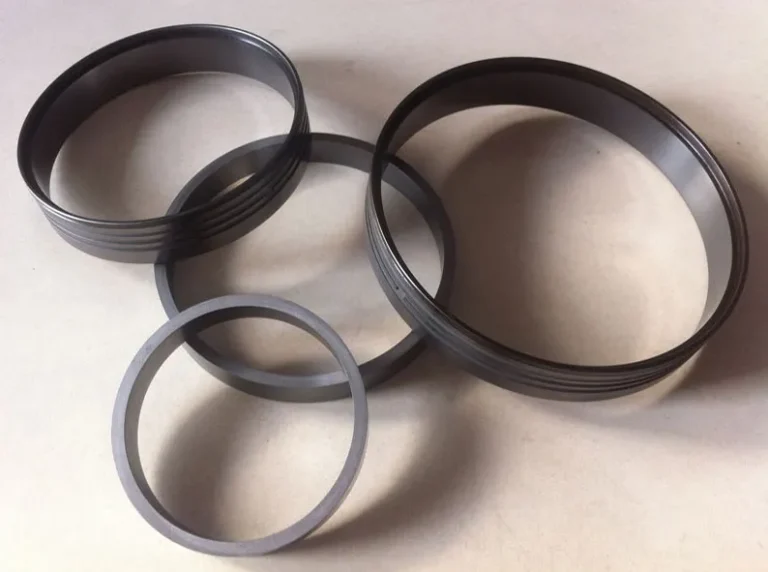

Ceramic fiber paper is the most practical thin-form, high-temperature insulating material for foundry operations that require low thermal mass, excellent machinability, and reliable sealing; integrated into an aluminum-casting workflow together with AdTech’s degassing units, ceramic foam filters, and insulation boards, it raises process stability, reduces contamination, and lowers energy consumption.
What is ceramic fiber paper?
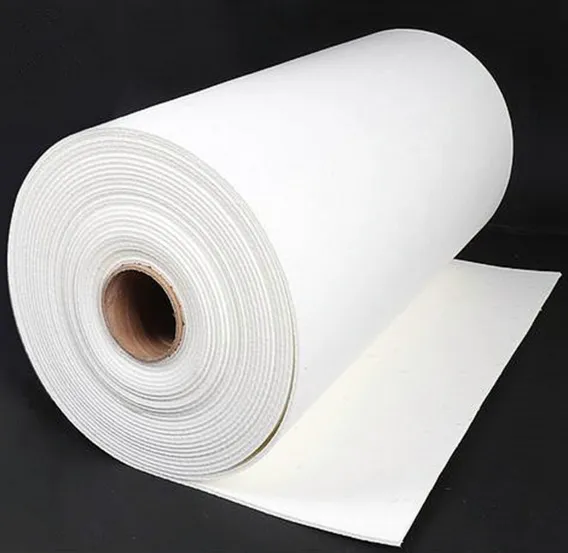
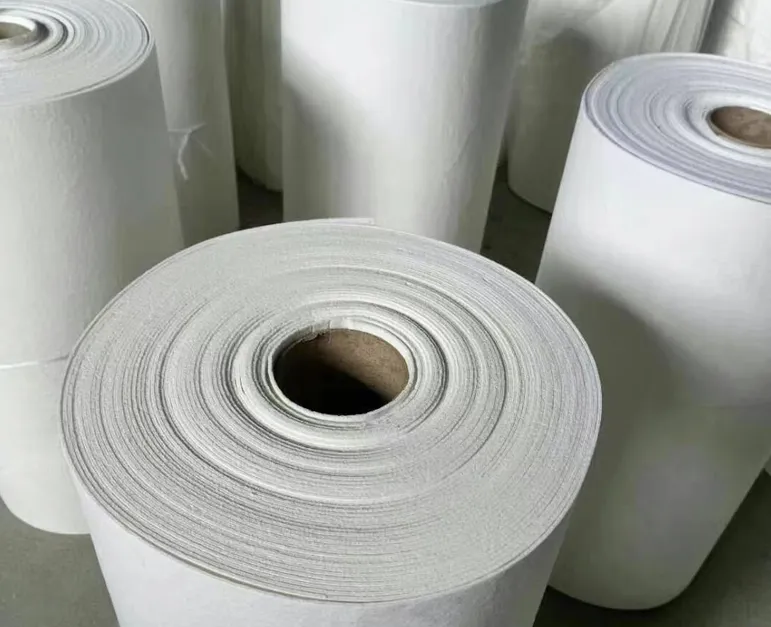
Ceramic fiber paper is a thin, flexible sheet formed from high-temperature refractory fibers and a controlled binder system. Typical formulations include alumina-silica fibers, polycrystalline alumina fibers, or blends that incorporate zirconia for enhanced performance. The production method yields a homogeneous, low-density product that retains dimensional accuracy, tear resistance, and the capacity to tolerate rapid temperature changes. Technical data sheets from major producers describe temperature ratings spanning utility grades up to polycrystalline and zirconia variants, making the material suitable for tasks that require continuous exposure to hundreds or even over one thousand degrees Celsius.
Why process engineers and buyers choose it
Foundry engineers choose ceramic fiber paper when they need a thin lining, gasket, or separator that does not store much heat, can be shaped precisely, and resists molten-metal penetration. Procurement teams value the material for predictable supply, ease of inventorying in rolls or sheets, and the fact that it can be converted into punched parts, seals, or die-stamped gaskets with minimal tooling wear when low-shot grades are specified. Product families from established manufacturers show broad acceptance across industries from metal casting to aerospace.
Key physical and thermal properties
Ceramic fiber paper performance varies by chemistry, density, and binder system. The table below summarizes typical ranges that engineers will see on product data sheets.
| Property | Typical range or remark |
|---|---|
| Main chemistry | Alumina-silica (aluminosilicate), polycrystalline alumina, zirconia-enhanced |
| Density | 90 to 210 kg/m³ (approx) depending on grade |
| Continuous use temperature | 600°C to 1500°C range, depending on grade |
| Maximum intermittent temperature | Up to 1649°C for PCW/polycrystalline paper |
| Thermal conductivity | Low, increases with temperature; typical 0.08 to 0.16 W/m·K at 600–1000°C |
| Tensile strength | Often 75 to 100 psi tensile for many grades |
| Shot content | Low-shot grades available for cutting and stamping operations |
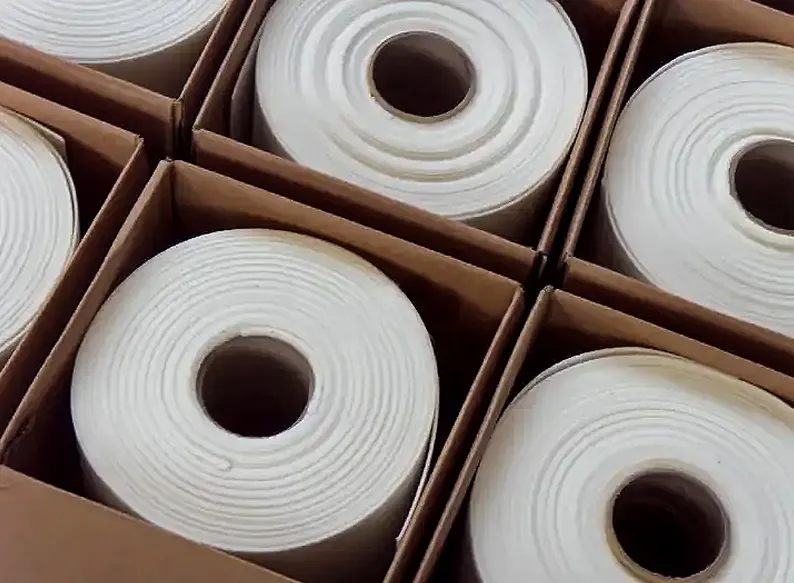
| Form factors | Rolls, sheets, custom-cut parts |
| Chemical resistance | Resists most acids and salts; vulnerable to hydrofluoric and concentrated alkaline solutions |
| Typical thickness | 0.5 mm to 6 mm, common stock 1/8″ and 1/4″ in imperial systems |
Technical data compiled by leading manufacturers confirms the spread shown above; engineers should consult the vendor sheet that matches the intended thermal environment.
Temperature grades and chemistry explained
Different product families are engineered to meet distinct working-temperature targets. Below is a condensed mapping frequently used when selecting material.
| Grade name or family | Main chemistry | Typical continuous limit (°C) | Typical peak allowance (°C) |
|---|---|---|---|
| Standard alumina-silicate | Alumina-silica | ~1050°C | ~1260°C |
| High-purity 2300°F type | Washed alumina-silicate | ~1100°C | ~1260°C |
| PCW / polycrystalline alumina | High-alpha polycrystalline alumina | ~1425°C | ~1649°C |
| Zirconia-containing | Alumina-silica + zirconia | ~1260–1538°C | up to ~1649°C with special grades |
Product specifications from market leaders list continuous use temperatures and maximum intermittent temperatures for each grade. Selection should include a safety margin for thermal shock and localized heat concentration.
Manufacturing variants and why they matter
Two manufacturing attributes influence practical performance more than many others: the fiber washing process and the binder chemistry.
• Washed fiber paper: Washing fibers reduces unfiberized “shot” particles. Lower shot content yields smoother sheets, extended tool life when stamping, and finer finished edges when die-cutting. Many high-performance papers intended for stamping and thin-part fabrication use this washed-fiber route.
• Binderless or inorganic binder papers: These grades use inorganic binders that burn out cleanly or are omitted in polycrystalline variants. Binderless products reduce organic content and lower the risk of off-gassing during initial heat-up, improving furnace atmosphere control.
• Zirconia-enhanced paper: Small zirconia additions boost resistance to molten-metal infiltration and abrasion, beneficial in contact linings and parting layers in high-temperature casting operations.
Ceramic fiber paper fits many roles in aluminum casting processes. Listed uses with practical notes follow.
-
Gaskets and seals for furnace doors and ports — paper forms conforming seals, offering low thermal mass and simple replacement.
-
Expansion joint packing — flexible sheets that compress into joints providing thermal isolation.
-
Hot-face liners and backup insulation in small furnaces and kilns — thin layers to protect structural refractory, reduce heat loss, and reduce heat soak time.
-
Separators and parting layers used in casting racks or trays — thin sheets placed between castings to prevent contamination and to ease separation.
-
Mold and crucible liners or distributor pans in die casting and ingot casting — reduces metal contact with structural refractory and reduces oxidic contamination.
-
Die-stamped parts for heat shields and insulating shims in process equipment.
-
High-temperature filtration support and spacer material when chemical compatibility is acceptable.
Field experience and product documentation from manufacturers show that combining paper with rigid boards and ceramic foam filters produces stable process outcomes in aluminum casting.
Why shot content and particle control matter for tooling and quality
Shot content refers to unfiberized particles that remain in the paper matrix from the fiber supply. High shot content leads to:
• Faster blade dulling during die cutting.
• Rough edges on stamped parts that may trap inclusions.
• Increased particulate release during handling and cutting, increasing contamination risk.
For high-volume die-cut operations, specify a low-shot or washed fiber grade to protect tooling and to reduce particulate contamination of aluminum surfaces. Unifrax and other major suppliers document specific low-shot grades intended for stamping and forming.
Handling, fabrication, and machining recommendations
Practical rules for foundry technicians and fabricators:
• Cutting: Use sharp carbide or high-speed tool steel cutters. For repeated die work, select low-shot grades. Wet cutting should be avoided because moisture introduces steam expansion risks during first heat cycles.
• Forming: Heat-forming is not required for many applications. Cold forming by hand or with mild pressing yields precise parts given the right die geometry.
• Fastening and bonding: Use mechanical anchors, stainless staples, or high-temperature adhesives made for refractory papers. If adhesives are chosen, verify binder compatibility and that emissions during first firing are acceptable.
• Storing: Keep rolls and sheets in dry, ventilated environments. Avoid compression during storage, which may reduce insulating performance.
• First heating: Ramp temperatures at controlled rates, especially with bindered papers, to allow binder burnout without rapid steam generation.
Comparison with blankets and rigid boards
Selecting between paper, blanket, and board depends on thickness needs, thermal mass, and mechanical strength.
| Feature | Ceramic fiber paper | Fiber blanket | Ceramic fiber board |
|---|---|---|---|
| Thickness control | Excellent for thin layers | Good, thicker layers | Excellent for structural panels |
| Thermal mass | Very low | Low to medium | Higher |
| Machinability | High, ideal for stamping | Moderate, needs trimming | Excellent, can be machined |
| Mechanical strength | Moderate | Compressible, resilient | High, structural |
| Typical use in foundry | Gaskets, liners, separators | Back-up insulation, soft gasketing | Furnace walls, hot-face panels |
Use paper when precision thin layers and low heat storage are priorities. Use board where structural strength under load is required. Data from product families supports these relative comparisons.
Selection matrix for procurement and engineering
When selecting a grade, use the following checklist.
-
Operating temperature range and peak spikes.
-
Contact with molten metal or splatter risk.
-
Need for die-cutting or stamping.
-
Chemical environment including fluxes or cleaning agents.
-
Required dimensions and tolerances.
-
Regulatory or supplier-certified composition (e.g., low organic content, PCW).
-
Cost and lead time.
-
Environmental health and safety profile.
A sample spec matrix that buyers can adapt:
| Item | Requirement | Notes |
|---|---|---|
| Max continuous temp | 1050°C | Add margin for spikes |
| Peak temp | 1350°C | Select PCW or zirconia grade |
| Shot content | < specified ppm or qualitative low | For die-cut parts |
| Thickness | 1/8″ or custom | Check availability |
| Quantity | Rolls or cut parts | Consider lead times |
Integration with AdTech product suite
AdTech’s product range for aluminum foundries includes degassing systems, ceramic foam filters, insulating boards, ceramic fiber rope, and ceramic fiber paper-compatible accessories. Practical integration points:
• Pre-filter and degassing synergy: Place ceramic foam filters downstream from degassing equipment to capture nonmetallic inclusions. A thin ceramic fiber paper liner inside distributor pans gives a clean interface and reduces filter bridging. This combination lowers inclusion-related scrap.
• Gasketing and thermal sealing: For furnace doors and dip cups, ceramic fiber paper gaskets provide thin, conformal seals. Use AdTech’s ceramic fiber rope for compression sealing where a more compressible packing is necessary.
• Furnace upgrade bundles: Retrofit kits that pair an AdTech insulation board for the structural lining and a thin ceramic fiber paper hot-face layer deliver rapid thermal response and reduced energy draw during cyclic operations.
• Consumables packages: Offer rolls of low-shot ceramic fiber paper paired with pre-cut ceramic foam filters and degasser spare parts. Consolidated sourcing cuts administrative overhead.
These integrated workflows reflect the way modern aluminum operations minimize inclusion rates and energy consumption while improving repeatability.
Installation and inspection checklist for foundry crews
Before field installation, verify the following:
-
Paper grade matches operating temperature with margin.
-
Cut parts have clean edges, no embedded shot.
-
Replacement gaskets scheduled at convenient furnace downtime.
-
Fasteners and adhesives compatible with the paper chemistry.
-
Initial heat-up plan created to control binder burnout.
-
PPE and local ventilation prepared for cutting operations.
-
Inventory of spare parts and rolls kept near the furnace area.
Routine inspection should focus on signs of molten-metal attack, compressive deformation, and particulate shedding.
Safety, regulatory, and environmental considerations
Handling refractory fibers requires an understanding of inhalation hazards and workplace controls. Key points:
• Respiratory protection: Use respirators when cutting and machining to control particulate exposure. Follow the provider’s safety data sheet for recommended PPE.
• Dust control: Local exhaust at cutting stations reduces airborne fiber counts. Wet methods should be used cautiously because trapped moisture may cause steam during initial heating.
• Disposal: Spent materials must follow local regulations for refractory waste. Where fibers are classified or regulated, coordinate with waste handlers.
Major manufacturers publish safety data sheets that list proper handling protocols. Review those documents before large-scale installation or particulate-generating fabrication.
Quality acceptance testing engineers should require
Suggested tests to verify batch quality and performance:
• Dimensional tolerance checks (thickness, width).
• Tensile and tear strength measurements.
• Shot content/particle count for low-shot grades.
• Thermal conductivity testing at relevant temperature points.
• Visual inspection under magnification for fiber distribution.
• Short-term soak tests with molten-aluminum simulants for infiltration resistance.
Insist that suppliers provide technical data sheets and, where needed, sample parts for verification before full production runs.
Long-term performance and lifespan
Lifespan depends on thermal cycling severity, mechanical abrasion, and exposure to chemical agents such as alkalis or hydrofluoric species. In a typical aluminum casting cycle with moderate thermal ramp rates and limited splatter contact, paper gaskets and liners are replaced periodically, from tens to hundreds of cycles. Proactive replacement scheduling reduces surprise downtime and contamination incidents.
Maintenance tips that save money
• Keep spare pre-cut gaskets ready to reduce furnace downtime during swaps.
• Rotate thin liners on distributor pans to distribute wear uniformly.
• Track first-fire cycles for bindered grades, then switch to normal ramp profiles.
• Train operators in cutting technique that minimizes dust and edge fraying.
Supplier considerations and lead times
Large producers maintain stock in standard sizes and thicknesses. Custom thickness or low-shot specifications may add lead time. Consider stocking a safety quantity of rolls when converting production lines.
How to test compatibility with AdTech filters and degassers in a pilot
A recommended pilot approach for process engineers:
-
Install ceramic fiber paper liner and ceramic foam filter in a single casting line or ladle.
-
Run a controlled number of casts, record inclusion frequency and porosity data.
-
Compare energy consumption before and after installation, focusing on preheat and soak times.
-
Adjust filter mesh and paper thickness then re-evaluate.
This iterative approach quickly demonstrates practical benefit, enabling scaling across multiple lines.
Case example
A mid-size billet foundry installed a PCW-rated thin paper liner on pouring trays and combined this with AdTech ceramic foam filters. Inclusion rates dropped, die-cleaning cycles were reduced, and heat-up time for small preheats improved by measurable minutes per shift, yielding lower fuel usage.
Sustainability and waste minimization
Refractory papers contain inorganic fibers. Waste streams should be evaluated for possible reuse in limited contexts or sent to certified refractory recyclers when available. Minimize scrap by ordering pre-cut parts and by training staff in efficient cutting and handling.
Tables for quick reference
Table: Typical grades, continuous use, and key notes
| Grade | Continuous use (°C) | Peak (°C) | Best for |
|---|---|---|---|
| Isofrax / Insulfrax style | 700–1100 | 1260 | General gasketing |
| Fiberfrax 550 type | 1100 | 1260 | Foundry liners, stamping |
| PCW / Polycrystalline | 1345 | 1649 | High-temp die parts, aerospace |
| Zirconia-enriched | 1260–1425 | 1538–1649 | Molten-metal contact layers |
(Reference datasheets from major suppliers provide exact figures for specific SKUs.)
Table: Quick compatibility chart with common foundry tasks
| Task | Recommended format | Preferred attributes |
|---|---|---|
| Furnace door gasket | Die-cut sheet | Low thermal mass, compression resilience |
| Distributor pan liner | Thin sheet | Low shot, molten infiltration resistance |
| Expansion joint packing | Rolled paper or rope | Flexibility, compressibility |
| Casting separator | Thin sheet | Smooth surface, low shot |
Ceramic Fiber Paper & Gaskets: Technical FAQ
1. What maximum temperature will ceramic fiber paper withstand in continuous use?
2. Is ceramic fiber paper resistant to molten aluminum contact?
3. Can this material be die-stamped for high-volume gaskets?
4. How should ceramic paper be fastened inside a furnace?
5. What is “shot content” and why does it matter?
6. How fast can I ramp the temperature during the first heat-up?
7. What health protections are required when cutting fiber paper?
8. How does fiber paper compare to fiber blankets for thermal performance?
9. Are there binderless options to prevent off-gassing?
10. How should ceramic fiber paper waste be handled?
Final practical recommendations for procurement teams
• Specify the working temperature with safety margin of at least 10 to 15 percent.
• Request low-shot or washed fiber grades for die-cut parts.
• Ask suppliers for SDS and TDS for every SKU supplied.
• Bundle orders with complementary AdTech products such as ceramic foam filters and insulation boards to streamline test runs and warranties.
• Run short pilots with measurement of inclusion rates and energy usage before full deployment.
Why AdTech’s offering matters to foundries
AdTech provides equipment and consumables that naturally pair with ceramic fiber paper. When that paper is used to form seals, liners, or separators, AdTech’s degassing systems reduce hydrogen levels and undesirable oxides. Meanwhile ceramic foam filters trap nonmetallic inclusions that paper alone cannot capture. Insulation boards and fiber rope supply structural support and durable compression packing respectively. This combination yields a closed-loop solution that both improves melt cleanliness and shortens cycle times, delivering measurable ROI.