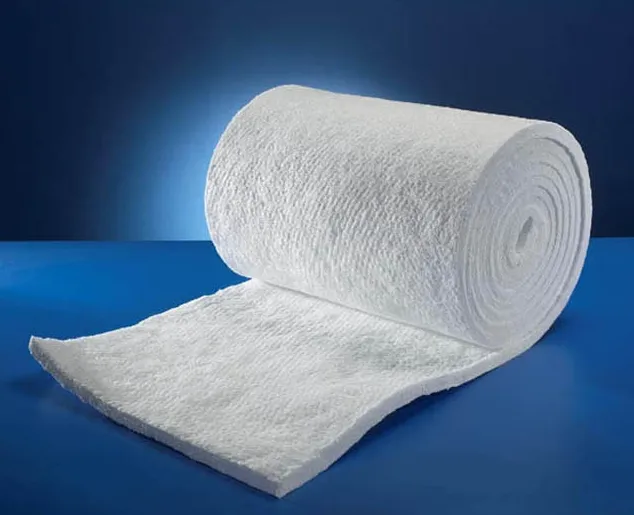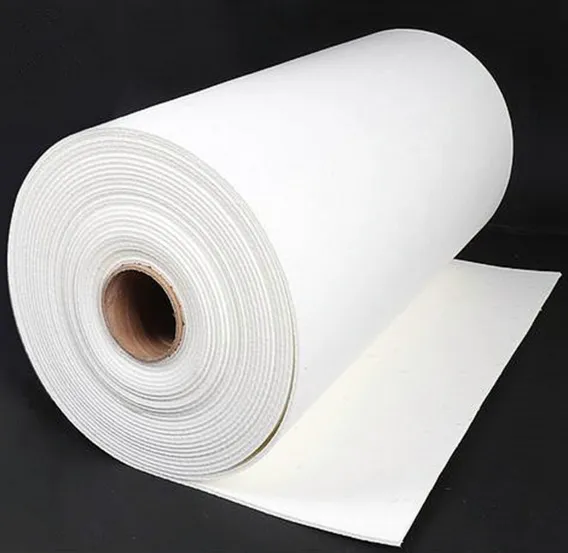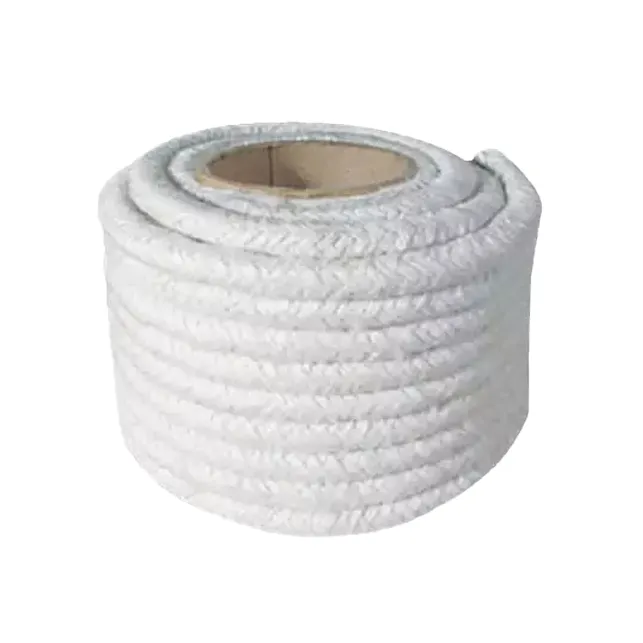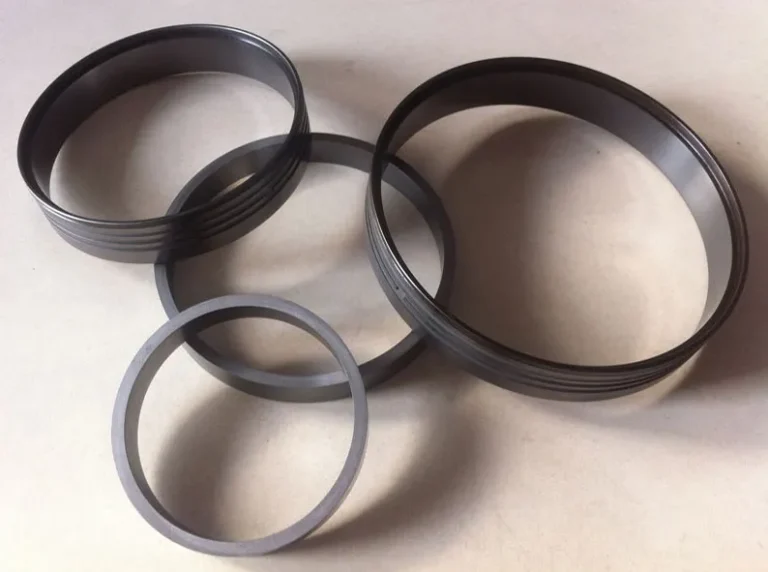

Ceramic fiber board provides a lightweight, high temperature insulating solution that blends low thermal conductivity, rapid installation, and reliable dimensional stability. For aluminum foundries seeking improved furnace efficiency, safer hot-top operation, and better thermal management of degassing and filtration systems, high quality ceramic fiber board from a reputable supplier such as AdTech offers measurable energy savings, reduced oxide formation, and longer service intervals compared with many traditional refractories.
1. What is Ceramic fiber board?
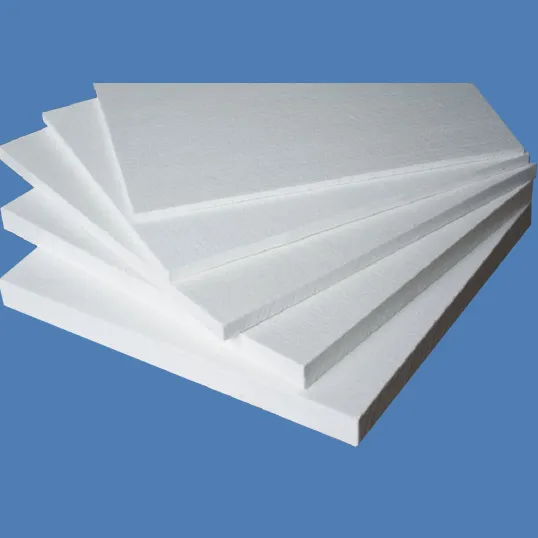
Ceramic fiber board is a consolidated, rigid product formed from alumina silica fibers bonded to create a dense panel with stable shape retention under cyclic heating. In practical foundry service, it functions as an insulating structural liner, hot-top insert, furnace wall repair material, and thermal barrier for degassing and filtration assemblies. Decision makers will find that choosing the correct board grade reduces heat loss, improves melt homogeneity, lowers dross and oxide generation, and reduces total cost of ownership when compared to thick castable linings or dense firebrick.
2. What ceramic fiber board is and which raw chemistries are used
Ceramic fiber board consists of high temperature inorganic fibers produced from controlled melting and fiberizing of alumino silicate feedstock. The primary chemistries found in commercial product lines include:
-
Alumina silica fiber blends with nominal Al2O3 content between 40 percent and 60 percent by weight. These deliver a balance between high temperature strength and thermal shock resistance.
-
High alumina fiber formulations containing greater than 60 percent Al2O3 for higher softening points and improved chemical resistance.
-
Specialty formulations with reinforcing additives for better mechanical strength and reduced friability.
Binders play a crucial role. Organic binders convert to minimal char under first firing, while inorganic binders such as sodium silicate or colloidal alumina help preserve dimensional integrity. For foundry use, inorganic binder systems tend to offer improved long term stability in humid environments.
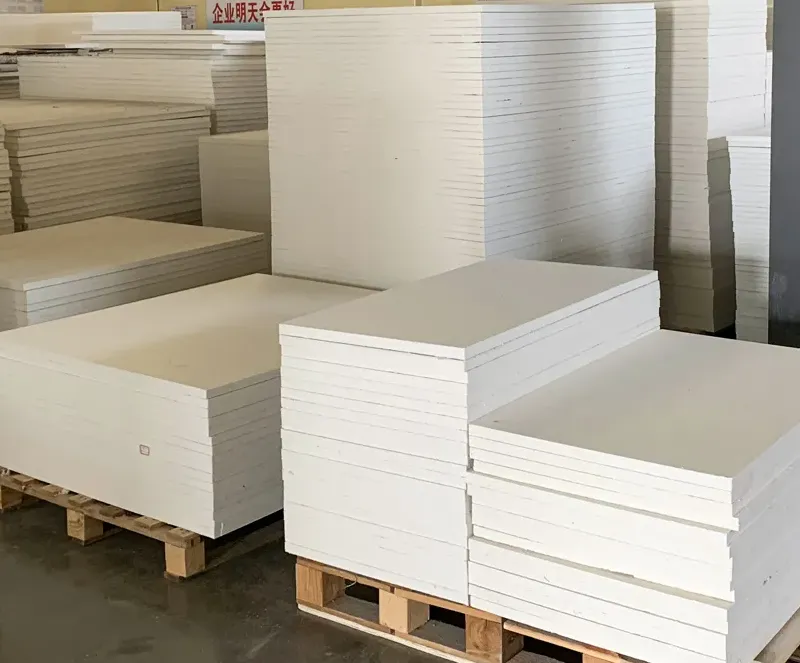
Physical form starts with a rigid cured board that can be cut, machined, and fastened. Board densities typically range from low density insulating panels to higher density structural boards used where mechanical load or abrading contact is expected.
3. Key thermal and mechanical properties that matter to foundries
Foundry engineers evaluate ceramic fiber board against a compact set of performance metrics. Each metric is tied to practical outcomes such as energy use, maintenance intervals, product quality, and operator safety.
Thermal properties
-
Maximum service temperature This determines where board may be placed within a furnace. Typical service limits range from 1260 Celsius to 1430 Celsius depending on fiber chemistry.
-
Thermal conductivity Lower conductivity reduces heat flow per unit area. Measured at standard temperatures such as 200, 400, and 800 Celsius, conductive numbers often sit between 0.08 and 0.40 W/mK.
-
Linear shrinkage Important for dimensional stability during heatup cycles. Quality boards show less than 3 percent shrinkage after exposure to rated temperature.
-
Thermal diffusivity and heat storage These determine how quickly a board will change temperature when furnace conditions change and how much heat the board absorbs during startup.
Mechanical properties
-
Compressive strength Structural boards used for hearths and hot-top linings require higher compressive strength to resist handling loads.
-
Flexural strength Important when panels span small openings or support lightweight fixtures.
-
Abrasion resistance and surface integrity For contact with moving components or abrasive fluxes, denser boards or surface coatings may be necessary.
-
Bond strength Where boards are bonded to metal or other refractories, adhesion performance is critical.
Chemical resistance
-
Reaction to molten aluminum and slag Good boards resist chemical attack from oxide films, flux residues, and alkaline flux chemistries used in degassing.
-
Hydrolytic stability Resistance to moisture degradation during storage and short exposure events.
4. Production methods and quality control checkpoints
Manufacturing of ceramic fiber board follows several stages that impact final performance.
-
Fiber formation Melted feedstock streams are fiberized using centrifugal or blown techniques. Control over viscosity and cooling speed sets fiber diameter and length distribution.
-
Batch mixing Fibers are blended with binders and optional reinforcements. Homogeneity prevents weak zones.
-
Forming Wet or dry forming into mats is compressed into desired thickness and density. Pressure control and dewatering influence density distribution.
-
Curing and firing Curing consolidates the binder then firing at controlled ramp rates removes volatiles and develops final bond strength. Rapid thermal cycles may cause internal cracking if not managed.
-
Finishing Boards are cut, ground, or surface-treated for increased abrasion resistance. Edge sealing or coating may improve handling.
Quality control checks should include fiber chemistry verification, density uniformity testing, dimensional tolerance checks, thermal conductivity testing at multiple temperatures, compressive strength testing, and assessment of shrinkage after kiln exposure to rated temperature.
5. Typical grades and industry specifications
Manufacturers present ceramic fiber board in grade families that differ by density, alumina content, and intended application.
-
Low density insulation board Density 160 to 300 kg/m3. Used behind furnace linings and for cold face insulation.
-
Medium density structural board Density 300 to 600 kg/m3. Suited for hot-top panels and lining thin-walled containers.
-
High density structural board Density greater than 600 kg/m3. Chosen where mechanical strength and reduced permeability is required.
-
High alumina board Alumina greater than 60 percent. Selected for higher temperature zones and where chemical resistance matters.
Standards commonly referenced include ASTM C356 for fired ceramic materials and specific national standards for thermal insulation products. Buyers should request material test certificates that show compliance with specified thermal and mechanical benchmarks.
6. Primary foundry applications and process benefits
Ceramic fiber board finds multiple roles within aluminum processing lines. Key use cases include:
Hot-top and chill systems
Boards serve as the structural liner of hot-top molds used during continuous casting of aluminum billets. Properly designed inserts maintain a controlled thermal gradient that reduces shrinkage cavities and improves surface finish.
Furnace and ladle insulation
Boards form backup insulation layers for rotary degassers, holding furnaces, and intermediate ladles. Lightweight panels reduce structural load on metal shells, making retrofits feasible.
Degassing chamber liners
When used to line degassing vessels, boards reduce heat loss and minimize condensation that would otherwise introduce hydrogen pickup into the melt.
Filtration housings and ducting
Boards isolate filtration modules from ambient cold zones, keeping melt temperatures within the operating window of ceramic foam filter plates and improving filter life.
Heat shields and maintenance panels
Removable board panels allow fast access to service points while preserving thermal continuity when closed.
Process benefits linked to correct board use
-
Lower specific energy consumption for melt maintenance
-
Reduced dross formation and hydrogen pickup during transfer and degassing
-
Improved sintering performance for downstream filters and flux components
-
Shorter maintenance windows because boards are faster to replace than heavy castable linings
7. Selection criteria for aluminum casting operations
Purchasing decisions should map to operational constraints and performance goals.
Match service temperature to application
If board will face direct radiant heat or contact with near-molten metal, select a high alumina grade with maximum service temperature rated above process peak.
Density versus insulation
Lower density reduces heat loss but increases fragility. Select mid density for balance when boards will be handled frequently.
Moisture and humidity exposure
Facilities with humid environments should choose inorganic binder systems and consider pre-conditioning panels to prevent steam generation during first heatup.
Chemical compatibility
For areas with heavy flux contact, select boards with verified resistance to alkaline and fluoride-containing chemistries.
Ease of machining and installation
Boards intended for custom shapes should be machinable and cut cleanly without excessive crumbling.
Lifecycle cost analysis
Consider total cost of ownership. Cheaper boards that require frequent replacement may be more expensive over time than premium boards with improved lifetime.
8. Installation, handling, and joining techniques
Correct installation is vital to realize predicted savings.
-
Cutting and shaping Use carbide tools or diamond blades for clean cuts. Wet cutting may reduce dust but introduce moisture; avoid wet methods for boards with organic binder.
-
Fastening Mechanical anchors, studs, and high temperature adhesives are valid depending on board density and design loads. Use stainless steel anchors where corrosion is a risk.
-
Sealing joints Use ceramic fiber rope or high temperature sealant tapes to maintain thermal continuity and reduce convective losses.
-
Layering strategy Combine a thin structural board in contact zones with a thicker insulating board behind to reduce overall thickness and weight.
-
Thermal ramp procedures Heat up slowly to the board rated temperature using a controlled schedule to avoid rapid outgassing and cracking.
-
Replacement planning Design installations for modular access so spent boards can be exchanged quickly during scheduled maintenance.
9. Warnings, health precautions, and dust control measures
Good manufacturing practice requires attention to worker safety.
-
Inhalation hazard Fine particulate generated during cutting and handling must be controlled. Use local exhaust ventilation and HEPA filtration. Workers should wear respiratory protection rated for fibrous dusts.
-
Skin and eye protection Gloves and safety glasses reduce irritation risk.
-
First heatout caution Boards may release residual volatiles from binders. Vent heating and keep personnel clear during first firing.
-
Disposal Follow local hazardous waste rules. When in doubt, test dust and residues for regulatory thresholds.
AdTech provides technical safety data sheets for each product and can advise on recommended PPE for particular installation workflows.
10. Performance testing, inspection, and maintenance routines
Regular checks extend life and improve safety.
-
Visual inspection monthly Look for cracks, spallation, and discoloration.
-
Thermal imaging Use infrared scanning during operation to detect hotspots and thermal bridging caused by failing boards.
-
Thickness measurement Periodically measure remaining insulation thickness and schedule replacement at defined thresholds.
-
Bond integrity tests Pull tests on anchors and bondline scanning can detect degraded adhesive performance.
-
Sampling and lab testing When chemical attack is suspected, send samples for compositional analysis.
Maintenance should include replacement of boards that show excessive shrinkage, cracking at joints, or fissures exposing fiber core.
11. Comparative analysis with alternate insulation and refractory materials
Below is a summary comparison to help make tradeoffs.
| Property or need | Ceramic fiber board | Ceramic fiber blanket | Dense refractory brick | Calcium silicate board |
|---|---|---|---|---|
| Weight per unit volume | Low | Very low | High | Moderate |
| Thermal conductivity at 400C W/mK | Low | Very low | High | Moderate |
| Ease of machining | Good | Poor | Poor | Good |
| Abrasion resistance | Moderate | Low | High | Moderate |
| Cost per m2 installed | Moderate | Low | High | Moderate |
| Repair speed | Fast | Slow | Slow | Moderate |
Ceramic fiber blanket provides better conformability for curved surfaces but needs mechanical protection. Dense refractory brick offers superior abrasion resistance but imposes structural loads and long downtime for installation.
12. Procurement, packaging, and cost drivers
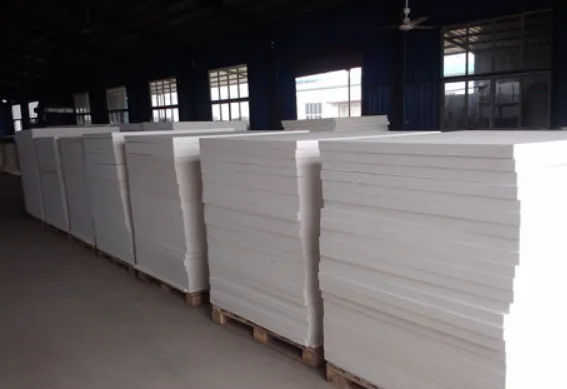
Price drivers include raw alumina content, density, binder type, board thickness, and finished dimensions. Additional costs stem from custom machining, certification testing, and expedited delivery. Boards are typically shipped in palletized crates, with edge protection and moisture barriers. AdTech offers pre-cut kits for common hot-top designs to reduce on-site labor costs.
13. Environmental considerations and end of life options
-
Energy savings Reduced furnace energy translates to lower greenhouse gas emissions for the operation.
-
Recycling Used ceramic fiber can be downcycled into controlled fill or specific secondary refractory products where permitted.
-
Disposal Non-contaminated ceramic fiber boards may be inert, but contact with fluxes or metal residues can classify them as industrial waste. Follow regional regulations.
AdTech supports take-back programs and can advise on regulatory compliant disposal routes in many regions.
14. How AdTech’s product range fits into these needs and recommended SKUs
AdTech manufactures a spectrum of ceramic fiber boards tailored for aluminum foundry service. Recommended matchups for common applications include:
-
Hot-top inserts for continuous casting AdTech HSB-56 mid density structural board with inorganic binder, 50 mm thickness pre-cut kits for popular billet diameters. This SKU resists flux contact and supports mechanical handling.
-
Degassing chamber insulation AdTech DB-43 low density board supplied in 25 mm and 50 mm sheets. Excellent thermal resistance and economical for backup insulation.
-
Filtration housing facing AdTech HA-65 high alumina board for areas with elevated chemical exposure and higher localized temperatures. Recommended in 12 mm thickness when used to protect ceramic foam filters.
-
Maintenance panel kits Pre-fabricated panels with stainless anchors and ceramic fiber rope seals for rapid replacement during scheduled outages.
AdTech technical staff provide installation drawings and can pre-machine bolt patterns to match existing steelwork. Field engineering assistance is available for first heatup procedures.
15. Troubleshooting common failure modes
Symptom: rapid surface cracking during initial heatup
Potential causes
-
Trapped moisture in the board
-
Rapid heating rate
Remedy
-
Dry boards in a controlled oven or employ a slower ramp schedule
-
Use inorganic binder boards for applications with non-controlled humidity
Symptom: accelerated erosion near filter housing
Potential causes
-
Abrasive flux or particulate flow
-
Inadequate mechanical protection
Remedy
-
Apply a dense facing layer or ceramic coating
-
Switch to higher density board or add metallic shields
Symptom: chemical pitting where degassing flux contacts liner
Potential causes
Incompatible chemistry with board composition
Remedy
Change to high alumina chemistry or apply a protective coating
16. Technical tables and data summaries
Table 1 Typical thermal and mechanical data by grade
| Grade | Density kg/m3 | Max service temp Celsius | Thermal conductivity @400C W/mK | Compressive strength MPa | Typical shrinkage at max temp percent |
|---|---|---|---|---|---|
| DB-43 low density | 200 | 1260 | 0.12 | 0.2 | 2.5 |
| HSB-56 mid density | 450 | 1400 | 0.22 | 1.1 | 1.8 |
| HA-65 high alumina | 650 | 1430 | 0.35 | 2.8 | 1.2 |
Table 2 Common dimensions and packaging
| Thickness mm | Sheet size mm | Sheets per pallet | Typical weight per pallet kg |
|---|---|---|---|
| 12 | 600 x 1200 | 200 | 320 |
| 25 | 600 x 1200 | 100 | 360 |
| 50 | 600 x 1200 | 50 | 420 |
Table 3 Comparison with alternative materials
(Repeats earlier comparative table in condensed technical form)
| Metric | Ceramic fiber board | Dense firebrick | Calcium silicate |
|---|---|---|---|
| Thermal conductivity at 600C | 0.18 W/mK | 1.1 W/mK | 0.45 W/mK |
| Typical service life in degassing vessel | 12 to 36 months | 24 to 60 months | 12 to 30 months |
| Repair time | Hours | Days | Days |
17. Ceramic Fiber Boards & Liners: Technical FAQ
1. What service temperature should I choose for a hot-top liner?
2. Can ceramic fiber board contact molten aluminum directly?
3. How do I cut these boards safely in the workshop?
4. What is the expected service life for a mid-density board in a rotary degasser?
5. Are there specific coatings that extend board life?
6. Which metric best predicts energy savings after a lining retrofit?
7. Can used ceramic fiber boards be recycled?
8. How much time is required for the first heat-out cycle?
9. What are the most common attachment methods for these panels?
10. Where can I get certified test reports for board batches?
Closing remarks
For manufacturing professionals and procurement teams in aluminum foundries, ceramic fiber board represents a pragmatic balance between high thermal performance and ease of use. When evaluating options, request full technical datasheets, on-site installation support, and pilot installations to quantify energy savings and maintenance reductions. AdTech stands ready to supply sample panels, produce pre-machined kits for common hot-top geometries, and provide technical field support for first heat cycles. Selecting the correct board grade and following disciplined installation and inspection regimes will deliver reliable performance and help your facility meet both production and sustainability targets.