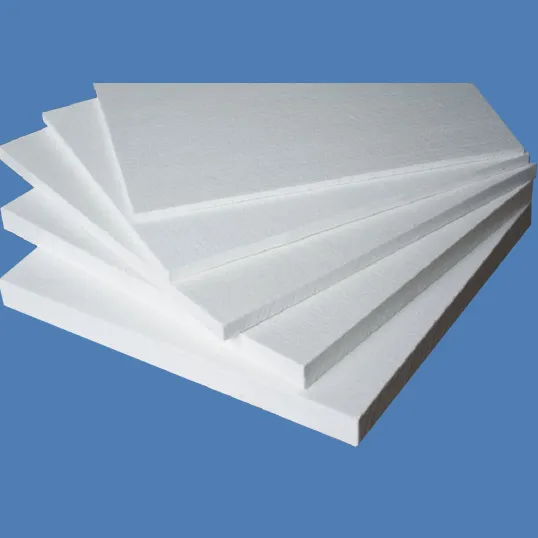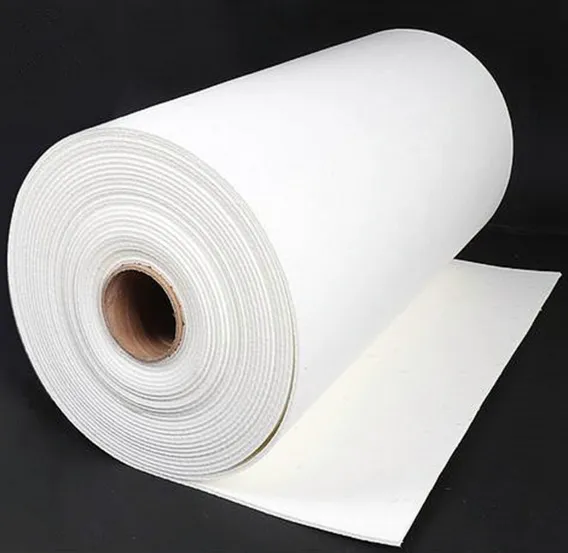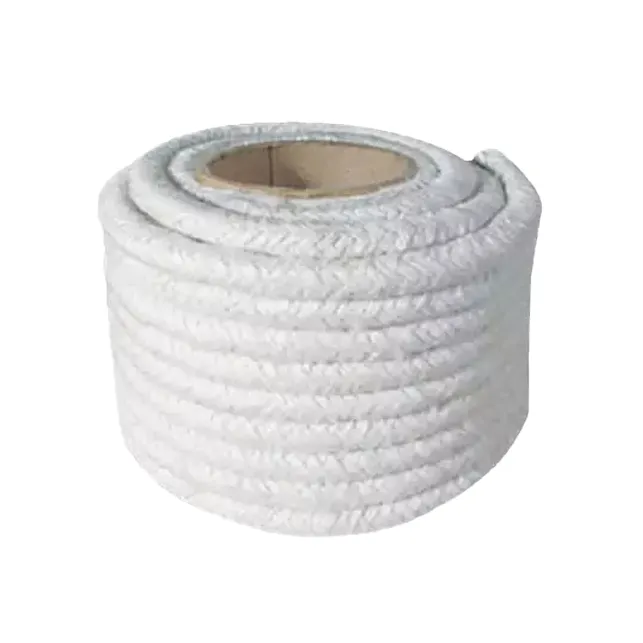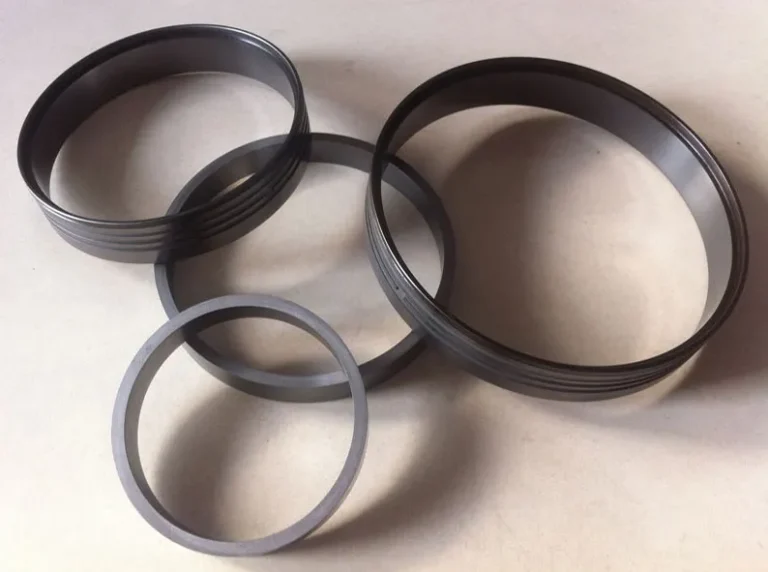

Ceramic fiber blanket is a high-temperature, low-weight insulating material made primarily from alumina-silica fibers that delivers superior thermal performance, low thermal mass, and rapid energy savings in aluminum foundry equipment and furnace systems. For aluminum casting operations that require durable backup insulation, rapid thermal response, and corrosion resistance in service up to roughly 1260 °C to 1425 °C (depending on grade), ceramic fiber blanket is often the preferred solution—especially when combined with appropriate facing, mechanical support, and professional installation.
1. What is a ceramic fiber blanket?
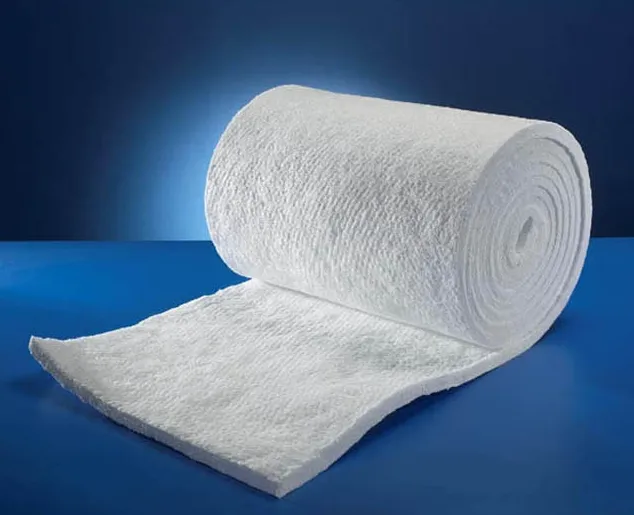
A ceramic fiber blanket is a needled mat of spun or blown ceramic fibers composed mainly of aluminum oxide (Al2O3) and silicon dioxide (SiO2), sometimes reinforced or stabilized with zirconia or other oxides for higher temperature service. The material is produced into continuous flexible blankets of controlled thickness, density, and facing so it can be wrapped, cut, or formed into modules for furnace lining, door seals, ladle and tundish backup insulation, and high-temperature gasketing. Typical service classes are described as commercial grades, high-purity grades, and zirconia-stabilized grades when extended temperature capability is required.
2. Typical compositions and commercial grades
Ceramic fiber blankets are usually characterized by these compositional families and grades:
-
Alumina-silicate (typical Al2O3 33–50%, SiO2 47–56%): the most common foundation for foundry insulation.
-
High-purity (low-impurity) blankets: lower contaminant content for applications where melt contamination risk must be minimized.
-
Zirconia-enhanced (HZ, HTZ) and alumina-rich blankets: designed for long-term stability and lower shrinkage at temperatures above 1300 °C.
Commercial naming varies by supplier, but engineers will commonly see product families grouped by maximum continuous use temperature (e.g., 1260 °C, 1425 °C) and by density (kg/m3), which influences mechanical handling and thermal performance.

3. Manufacturing processes and influence on properties
Ceramic fiber blankets are produced by spinning a molten ceramic composition into filaments and converting these fibers into a lightweight batt. Subsequent steps include needling (mechanical interlocking of fibers), rolling to thickness, and optional machining or facing (foil, vermiculite, ceramic cloth) to suit installation needs. The spun-fiber process yields long, flexible fibers that provide strong tensile strength, low thermal conductivity, and low density—attributes that are critical where low mass and rapid heating/cooling cycles are required in foundry equipment. Technical datasheets from leading suppliers describe the needled structure and grade-specific shrinkage behavior that purchasers must assess during material selection.
4. Key physical and thermal properties
Below is a compact technical snapshot that engineers and procurement teams can use during specification and comparison.
Table 1: Representative technical specifications
| Parameter | Typical range / value | Why it matters |
|---|---|---|
| Composition | Al2O3 33–50%, SiO2 47–56% (typical) | Determines chemical stability and contamination risk. |
| Standard max continuous temp | 1000 °C to 1425 °C (grade-dependent) | Select grade to exceed maximum service temperature. |
| Density (bulk) | 64–320 kg/m³ common; typical commercial ~128 kg/m³ | Higher density increases mechanical strength and lowers conductivity. |
| Thermal conductivity k(T) | Low at room temp, increases with temperature; see supplier datasheet | Critical for energy savings and lining thickness calculation. |
| Permanent linear shrinkage | <5% after 24 h at specified temp for many grades | Shrinkage influences backing thickness and mechanical restraint. |
| Tensile strength | Product-dependent; improved by needling and facing | Influences handling and durability during installation. |
| Form factors | Rolls, modules, cut shapes, blanket with foil facing | Enables diverse foundry applications. |
Engineers: always request the supplier’s full k(T) curve and shrinkage test data for the grade you intend to use. That ensures lining thickness and mechanical restraints meet long-term operational expectations.
5. Foundry and aluminum-casting applications
Ceramic fiber blankets are well suited to these aluminum industry uses:
-
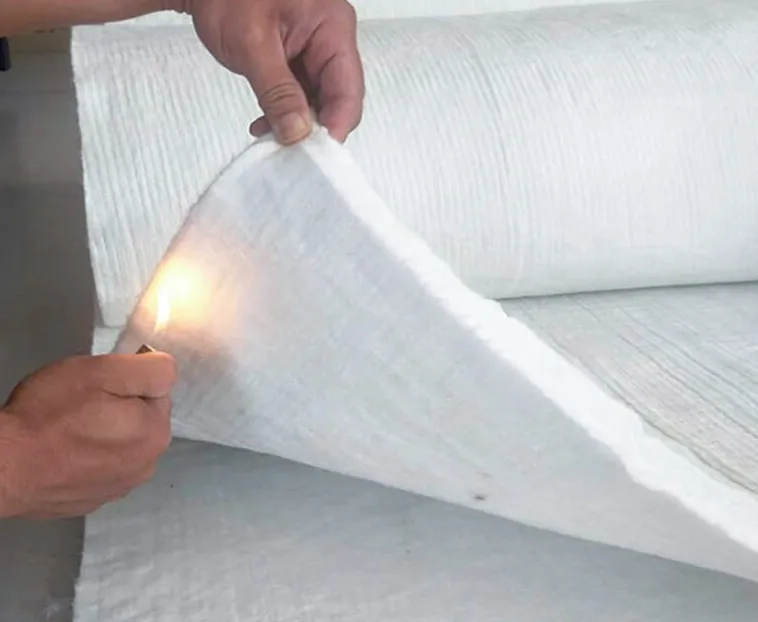
Backup insulation in furnace and kiln walls that require low thermal mass and quick thermal cycling.
-
Tundish and ladle linings: as removable backup insulation or as part of a composite lining system to reduce heat losses and keep metal temperature uniform during casting.
-
Door seals and gaskets on heating equipment where conformability and compressibility are necessary.
-
Field repairs and kiln door refurbishment because blankets are easy to cut and install in-situ.
Practical note for aluminum operations: when lining components that will be in close proximity to molten metal or flux, choose high-purity grades and apply protective coatings or facing to reduce the risk of fiber degradation and minimize potential contamination.
6. Installation techniques and field best practices
Good installation significantly extends service life and reduces maintenance downtime. Follow these engineering practices:
-
Pre-fit and support: use mechanical anchors, stainless-steel pins, or ceramic wool modules to secure blanket in vertical and overhead locations. Avoid unsupported spans beyond supplier recommendations.
-
Facing and protection: use foil, wire mesh, ceramic cloth, or vermiculite coatings in exposed areas to reduce abrasion and fiber release during handling. Facing also helps reduce surface emissivity and radiant heat loss.
-
Overlap and compression: specify overlap details and compression allowances for gaskets and seals to avoid gaps that cause hot spots. Small gaps in insulation can magnify heat loss.
-
Moisture and oil: in service, moisture and oily residues can cause devitrification or localized degradation; dry and clean surfaces before applying adhesive facing or coatings.
-
Thermal cycling allowance: allow for expected shrinkage and differential movement between rigid refractory linings and the flexible blanket backup. Use mechanical restraining systems that permit small movements.
Field teams should maintain full installation records: batch numbers, thickness installed, facing used, and anchor pattern. These records help root cause analysis if premature wear or contamination occurs.
7. Comparison with common alternatives
Selecting the right insulation requires comparing candidate materials on temperature limit, thermal performance, cost, and contamination risk.
Table 2: Material comparison matrix (engineer-focused)
| Material | Max service temp (typical) | Thermal mass | Mechanical flexibility | Contamination risk for aluminum melt | Typical use cases |
|---|---|---|---|---|---|
| Ceramic fiber blanket | 1000–1425 °C depending on grade. | Low | High | Low to moderate; high-purity grades minimize risk. | Furnace backup, seals, tundish. |
| Mineral wool / rock wool | ~650 °C typical | Higher than blanket at high temp | Moderate | Lower purity; not suitable for direct metal contact at high temps. | Building insulation, moderate-temp pipe insulation. |
| Insulating firebrick | 700–1600 °C (brick-dependent) | High | Low (rigid) | Very low contamination when dense bricks used | Permanent structural linings. |
| Ceramic fiber modules (rigidized) | Similar temps to blanket | Medium | Low to medium | Low when sealed | Brick replacement, prefabricated shapes. |
Decision rule of thumb: choose ceramic fiber blanket where rapid thermal response and low backup mass are priorities. Choose rigid bricks where structural integrity and mechanical protection are needed.
8. Health, safety and regulatory considerations
Ceramic fibers fall under the high-temperature insulation wool (HTIW) family. While ceramic fiber blankets provide excellent thermal performance, handling can release respirable fibers and, after high-temperature use, crystalline silica forms such as cristobalite may be present. Regulatory and industry guidance includes:
-
Exposure control and sampling: OSHA and other agencies provide monitoring methods and recommended exposure limits for refractory ceramic fibers and respirable crystalline silica. Typical conservative occupational exposure limits referenced by manufacturers are 0.5 fibers per cubic centimeter (f/cc) as an 8-hour TWA for respirable fiber, though local regulations vary and silica limits may be much stricter.
-
PPE: always require NIOSH-certified respirators, protective clothing, and gloves when cutting, machining, or installing blankets. Use local exhaust ventilation and wet-cutting where practical.
-
After-service hazards: used material can contain crystalline silica and should be handled as potentially hazardous waste in many jurisdictions. Follow disposal rules and consult supplier MSDS for post-service composition.
Site policy for foundries: train installers on proper techniques, supply fit testing for respirators, and document exposure monitoring. This reduces liability and ensures worker health.
9. Procurement checklist for engineers and buyers
Below is an actionable checklist and a short scoring matrix you can use when selecting a ceramic fiber blanket supplier for aluminum foundry work.
Table 3. Purchasing decision checklist
| Requirement | Why it matters | Score (1-5) |
|---|---|---|
| Max continuous temperature rating | Must exceed maximum process temperature to avoid rapid shrinkage | |
| Purity / contaminant spec | Low impurities reduce melt contamination risk | |
| Density options and k(T) curve provided | Needed for lining thickness optimization and heat-loss modeling | |
| Availability of faced/foiled options | Facing improves handling and reduces fiber release | |
| Supply chain lead time and batch traceability | For scheduled maintenance and QA | |
| Installation support and engineering guidance | Reduces rework and field failures | |
| Compliance data: MSDS, exposure guidance, shrinkage tests | For EHS due diligence | |
| Warranty and field service | Important for long-term projects |
Scoring: require suppliers to return a filled checklist and provide sample material for pre-qualification testing.
10. Maintenance, lifecycle and replacement indicators
Common indicators that a blanket lining needs attention:
-
Visible areas of compression, tearing, or mechanical damage in the blanket surface.
-
Hot spots on the exterior surface detected by thermography, indicating local thinning or gap formation.
-
Excessive shrinkage or slumping vs. pre-installation measurements.
-
Change in furnace cycle times or increased fuel/electric usage beyond expected seasonal variance—suggests insulation degradation.
-
After-service samples showing unexpected crystalline silica formation or contamination in product outputs.
Planned inspections after initial cure-in cycles and then at scheduled maintenance windows will extend the life of linings and reveal installation problems early.
11. How AdTech solutions integrate for aluminum foundries
AdTech supplies a portfolio of filtration and insulating products well matched to foundry needs. Practical ways AdTech’s offerings can be paired with ceramic fiber blanket installations:
-
Use AdTech ceramic fiber blanket as backup insulation behind alumina-silicate refractory concrete or as a removable lining for tundishes and ladles to reduce heat loss and speed up temperature recovery during casting changes.
-
For applications requiring contact protection and abrasion resistance, combine blanket with AdTech ceramic wool insulation boards or ceramic cloth facings to provide a robust surface and reduce fiber release.
-
Where filtration is also required (for melt cleanliness), pair AdTech’s ceramic foam filter plates and degassing equipment to minimize inclusion-related reheats; better thermal control from ceramic fiber blanket reduces degassing energy needs and improves process consistency.
-
For high-purity melt operations, specify AdTech high-purity blanket grades and request traceability documentation to support incoming material quality and to protect final product specifications.
Operational recommendation: during quotation and pre-installation review, AdTech engineers can provide a combined solution package—blanket grade selection, recommended facing and anchors, and a field installation procedure tailored to the customer’s furnace geometry and alloy family.
12. Cost considerations and energy ROI example
While unit cost per square meter of ceramic fiber blanket is higher than some lower-temp insulation, the energy savings and reduced furnace recovery times commonly produce a short payback when used correctly.
Example simplified ROI (illustrative):
-
Current heat loss through an older lining: 150 kW
-
With ceramic fiber blanket backup and facing, estimated heat loss reduction: 30% = 45 kW saved
-
If furnace runs 16 hours/day and electricity cost or equivalent fuel cost equals $0.10 per kWh, daily savings = 45 kW * 16 h * $0.10 = $72/day
-
Annual saving (300 operating days) = $21,600
-
If installed cost (materials + installation) is $15,000, simple payback < 1 year.
Note: this is a simplified example. Exact figures require heat-loss modeling using the supplier’s k(T) data, operating schedules, and local energy prices.
13. Ceramic Fiber Insulation Blanket: Technical FAQ
1. What maximum temperature can ceramic fiber blanket withstand?
2. Can ceramic fiber blanket be used where it touches molten aluminum?
3. How does blanket density affect thermal performance?
4. What are the main installation risks to avoid?
5. Are there specific exposure or disposal rules for used blankets?
6. What facing options are recommended for foundry doors and seals?
7. How should I size blanket thickness for maximum energy savings?
8. Can I reuse blanket modules after they have been removed?
9. What quality testing should a vendor supply before acceptance?
10. How do ceramic fiber blankets compare to insulating bricks for ladles?
14. Practical next steps for an AdTech customer
-
Request an on-site thermal survey and list of operating temperatures for the equipment you intend to reline.
-
Ask AdTech for grade-specific data: shrinkage curves, k(T) tables, MSDS, and facing options.
-
Pre-qualify with a small field trial: install blanket on one door or ladle and measure thermal performance and handling under typical operating cycles.
-
Use thermography to benchmark before and after installation to quantify savings.
AdTech’s integrated offering—filtration plates, degassing equipment, and a range of ceramic insulating products—makes it straightforward to match insulating strategy with melt cleanliness programs for measurable production benefits.