
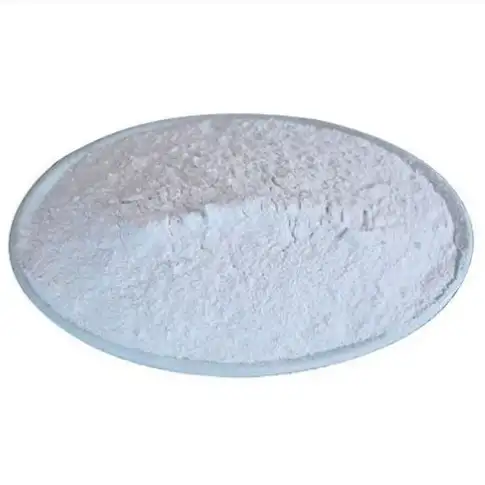
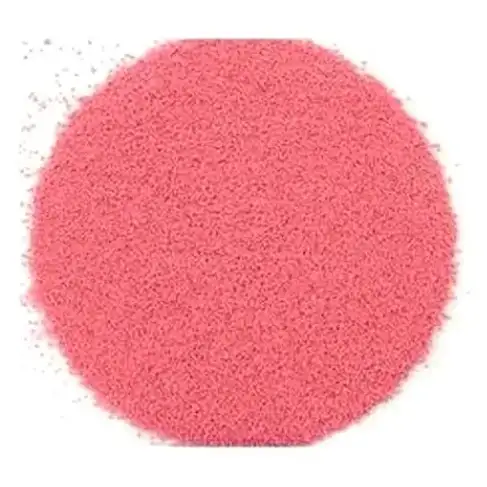
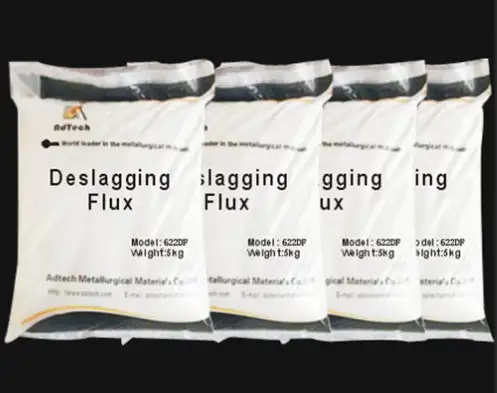
High-performance Aluminum Drossing Flux significantly reduces metal loss by physically separating molten aluminum from oxides, often reclaiming up to 80% of usable metal from skimmed dross materials. ADtech’s advanced formulations initiate a controlled exothermic reaction that creates a dry, powder-like residue, ensuring minimal aluminum entrapment and superior melt quality for critical casting operations. By utilizing specific fluoride and chloride blends, these fluxes lower the surface tension of the aluminum droplets caught in the dross, allowing them to coalesce and return to the melt pool rather than being discarded as waste.
Foundries and casthouses prioritizing cost efficiency and metal purity rely on this chemical separation. Without effective drossing agents, aluminum producers face substantial financial losses due to discarding valuable metal along with waste oxides.
The Metallurgy of Dross Formation and Separation
Understanding the formation of dross is critical to managing it. When molten aluminum contacts the atmosphere, it reacts instantly with oxygen to form aluminum oxide (Al2O3). This oxide skin is beneficial in solid form as protection, yet in a molten state, it becomes a nuisance. Turbulence during melting, transfer, and alloying breaks this skin, trapping pockets of pure aluminum within a sponge-like network of oxides. This mixture is wet dross.
How ADtech Drossing Flux Works
ADtech Aluminum Drossing Flux functions through two primary mechanisms: exothermic heating and surface tension modification.
-
Exothermic Reaction: Upon application, the flux reacts to generate heat. This localized temperature spike reduces the viscosity of the aluminum trapped within the dross layer. The metal becomes more fluid, making it easier to separate from the solid oxides.
-
Interfacial Tension Reduction: The chemical components in the flux strip away the oxide layer surrounding the aluminum droplets. This action increases the interfacial tension between the metal and the oxide, effectively “squeezing” the aluminum out of the oxide sponge. The aluminum droplets then merge and descend back into the melt due to gravity, while the oxides remain floating as a dry, manageable powder.
Critical Benefits for Modern Casthouses
Utilizing a premium flux influences the bottom line of any casting operation. ADtech formulations focus on addressing the pain points of modern metallurgy.
-
Substantial Yield Increase: Standard mechanical skimming without flux can result in dross containing 60% to 80% metallic aluminum. Proper chemical treatment reduces this residual metal content significantly, often below 20%.
-
Reduced Furnace Buildup: Regular use helps keep furnace walls clean. The flux attacks corundum buildup at the melt line, extending refractory life and maintaining furnace capacity.
-
Lower Disposal Costs: Disposing of hazardous dross is expensive. By reducing the volume and weight of the dross (since the heavy metal is removed), companies pay less for transport and landfill fees.
-
Improved Metal Cleanliness: By effectively removing oxides and non-metallic inclusions, the resulting casting has fewer hard spots, leading to better mechanical properties and easier machining for the end-user.
Technical Specifications and Chemical Parameters
Selecting the right flux depends on the alloy type and furnace temperature. ADtech provides versatile options suitable for a wide range of aluminum series (1xxx through 8xxx).
Table 1: ADtech Aluminum Drossing Flux Technical Data
| Parameter | Specification Details |
| Appearance | White or Grayish-White Powder / Granular |
| Main Components | Chloride (NaCl, KCl), Fluoride (Na3AlF6, CaF2), Exothermic Agents |
| Melting Point | 450°C – 600°C (Adjustable per formula) |
| Moisture Content | < 0.5% (Hygroscopic control essential) |
| Working Temperature | 680°C – 800°C |
| Recommended Dosage | 0.2% – 0.5% of total melt weight |
| Reaction Type | Mild to Strong Exothermic (Customizable) |
| Applicable Alloys | All Al-alloys (except high Mg alloys >2%) |
Note: For alloys with high magnesium content, ADtech recommends specialized sodium-free fluxes to prevent sodium embrittlement.
Operational Best Practices: Application Protocols
Even the best chemical product fails if applied incorrectly. Operators must follow a strict protocol to ensure safety and efficiency.
Step-by-Step Application
-
Preparation: Ensure the melt has reached the target temperature (typically 720°C to 750°C). Turn off burners or reduce power to calm the bath turbulence.
-
Spreading: Evenly distribute the ADtech Aluminum Drossing Flux over the surface of the dross. Do not dump it in one pile. Use a shovel or a flux injection machine for larger furnaces.
-
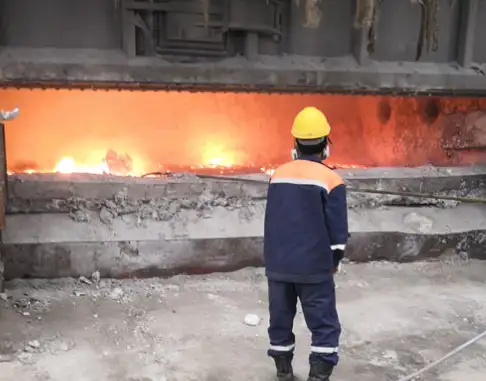
Reaction Time: Allow the flux to sit for 3 to 5 minutes. You will observe the dross changing color, often glowing red due to the exothermic reaction. This indicates the separation process is active.
-
Agitation: Using a rake or skimmer, gently stir the dross layer. This mechanical action assists the chemical reaction, breaking up oxide crusts and helping trapped aluminum droplets fall back into the melt.
-
Skimming: Once the dross turns into a fine, dry powder (often grey or blackish), skim it off immediately. Delaying this step can result in the oxides reverting or moisture absorption.
Storage and Handling
Fluxes are hygroscopic; they absorb moisture from the air. Wet flux introduces hydrogen into the aluminum melt, leading to porosity defects.
-
Store in a cool, dry warehouse.
-
Keep bags sealed until moments before use.
-
Do not use flux that has clumped or become hard, as this indicates moisture contamination.
Comparative Analysis: Drossing vs. Covering vs. Refining Fluxes
Confusion often arises regarding the specific roles of different flux types. While they can overlap, their primary functions differ.
Table 2: Flux Functionality Comparison
| Feature | Drossing Flux | Covering Flux | Refining Flux |
| Primary Goal | Separate metal from dross (recover yield) | Prevent oxidation barrier (stop dross formation) | Remove Hydrogen and non-metallic inclusions |
| Application Timing | End of melt cycle, before skimming | Beginning of melt / During holding | During degassing or transfer |
| Reaction Nature | Exothermic (generates heat) | Passive (melting layer) | Chemical/Physical bubbling |
| Physical State | Powder becomes dry ash | Powder becomes liquid seal | Powder or tablet, injected with gas |
| Metal Recovery | High | Low (Preventative) | N/A |
Case Study: Efficiency Gains in a Vietnam Foundry (2024)
Client Profile: A mid-sized automotive casting plant located in the industrial zone of Hai Phong, Vietnam.
Timeframe: February 2024 to May 2024.
Challenge: The facility reported melt losses exceeding 4% per ton, significantly impacting their profit margins on aluminum wheel production. The dross removed was heavy, metallic, and “wet,” indicating high aluminum entrapment.
ADtech Intervention:
ADtech engineers analyzed the furnace conditions and dross composition. We introduced our AD-DF-Pro Series flux. We implemented a training session for local operators on proper spreading and agitation techniques.
Results:
-
Dross Weight Reduction: Within the first week, the weight of skimmed dross dropped by 18%. The dross appearance shifted from metallic lumps to fine grey powder.
-
Aluminum Recovery: The plant recovered approximately 6kg more aluminum per ton of melt compared to their previous flux supplier.
-
Cost Analysis: Despite the ADtech flux having a slightly higher unit price than the local generic alternative, the value of the recovered aluminum outweighed the flux cost by a factor of 5:1.
-
Furnace Health: Maintenance logs in May 2024 showed a 30% reduction in corundum buildup on the furnace walls, decreasing cleaning downtime.
This case validates that investing in high-quality chemistry yields direct financial returns through metal conservation.
Environmental Impact and Sustainability
The aluminum industry faces pressure to reduce its carbon footprint. Drossing flux plays a vital role here. By recovering aluminum in the furnace, we reduce the need for secondary remelting or primary aluminum production, both of which are energy-intensive processes.
Furthermore, ADtech is committed to Low-Emission Fluxes. Traditional fluxes often emit heavy smoke and fumes containing fluorides. Our newer formulations are engineered to minimize smoke generation, improving air quality within the plant and reducing the load on baghouse filtration systems. This aligns with stricter environmental regulations emerging in Europe and North America.
Troubleshooting Common Drossing Issues
When results are suboptimal, the issue often lies in application variables rather than the chemistry itself.
Table 3: Troubleshooting Guide
| Symptom | Probable Cause | Corrective Action |
| Dross remains wet/metallic | Insufficient flux quantity or low temperature | Increase dosage slightly; ensure melt is >700°C. Stir more vigorously. |
| Excessive smoke/fumes | Furnace too hot or incompatible flux type | Check melt temperature. Switch to low-emission ADtech grade. |
| Porosity in castings | Damp flux used | Discard open bags. Check storage conditions for humidity. |
| Flux turns to hard crust | Too much flux or lack of agitation | Use correct dosage ratio. Stir immediately after reaction begins. |
| Inclusions in casting | Skimming was not thorough | Ensure complete removal of the dry powder before pouring. |
Advanced Considerations for Different Alloys
Not all aluminum is the same. High-silicon alloys (like A356) and high-magnesium alloys (like 5xxx series) behave differently.
-
1xxx – 3xxx Series: Standard exothermic fluxes work best here. The focus is purely on separation efficiency.
-
5xxx Series (High Mg): Magnesium is reactive. Standard sodium-based fluxes can deplete magnesium from the alloy. ADtech provides Calcium-based fluxes specifically for these applications to preserve alloy chemistry.
-
8xxx Series: Used for foil. Cleanliness is paramount. The flux must be highly pure to avoid introducing trace elements that could cause pinholes in thin-gauge foil.
ADtech Aluminum Drossing Flux: Technical FAQ
1. What is the recommended dosage for ADtech Aluminum Drossing Flux?
2. Can I use drossing flux as a covering flux?
3. Does the flux affect the chemical composition of the aluminum?
4. Is the drossing reaction dangerous?
5. How do I know if the flux is working correctly?
6. Can this flux be used in rotary furnaces?
7. What is the shelf life of the flux?
8. Why is my dross still sticky even after using flux?
9. Does ADtech offer custom formulations?
10. How does drossing flux reduce hydrogen porosity?
The Economic Reality of Melt Loss
To truly appreciate the value of ADtech Aluminum Drossing Flux, one must look at the economics of “melt loss.” Melt loss is the difference between the weight of metal charged into the furnace and the weight of good castings produced. A significant portion of this loss happens at the drossing station.
If a foundry processes 10,000 tons of aluminum annually and incurs a 1% unnecessary loss due to poor drossing, that equals 100 tons of aluminum. At current market prices (approx. $2,200/ton), that is a $220,000 loss per year. The cost of premium flux is a fraction of this saving. Using ADtech solutions is not an expense; it is a recovery strategy that pays for itself multiple times over.
Safety and Handling Protocols
Working with chemical fluxes requires strict adherence to safety standards. The fluoride salts used in fluxes can be harmful if inhaled in large quantities, and the heat generated can cause burns.
-
Ventilation: Ensure the furnace area has active extraction hoods to pull fumes away from the operator.
-
PPE: Respirators compatible with acid gases/particulates are recommended during application.
-
Training: Operators must be trained not to throw bags into the melt (unless designed as throw-in bags) to prevent splashing. The spread should be gentle and controlled.
Global Supply Chain and ADtech Reliability
In a volatile global market, supply chain stability is crucial. ADtech maintains strategic warehousing and production capabilities to ensure lead times are minimized. Whether your plant is in Southeast Asia, Europe, or the Americas, our logistics network ensures your consumables arrive before your stock runs low. We provide consistent batch quality, meaning the flux you buy today acts exactly like the flux you bought last year, ensuring process stability for your casting lines.
Conclusion
Optimizing the drossing process is one of the most effective ways for an aluminum foundry to increase profitability and improve product quality. ADtech Aluminum Drossing Flux offers a scientifically engineered solution to separate valuable metal from waste oxides efficiently. By leveraging exothermic reactions and surface tension modification, our products transform wet, metallic dross into dry, disposable powder, maximizing yield.
From reducing furnace buildup to lowering disposal costs and enhancing environmental compliance, the benefits extend beyond just metal recovery. For foundries aiming to compete in a tight market, partnering with ADtech ensures access to top-tier metallurgical chemistry and technical support. Don’t let valuable aluminum go to the landfill—recover it with ADtech.