

The most effective molten aluminum thermocouple utilizes a high-purity Sialon (Silicon Nitride) protection tube combined with a Type K or N sensor to deliver precise temperature readings while resisting the extreme corrosive nature of liquid aluminum. Foundries that switch from cast iron or standard ceramic tubes to Sialon-based assemblies typically report a lifespan increase of 6 to 12 months and a reduction in melt contamination. For operators seeking immediate operational stability, the solution lies in minimizing the “wetting” capability of aluminum against the sensor housing, a property where ADtech’s advanced material science excels.
The Physics of Temperature Measurement in Liquid Aluminum
Accurate pyrometry in non-ferrous casting is not merely about reading a number. It defines the grain structure, mechanical properties, and rejection rates of the final product. Liquid aluminum is highly aggressive. It dissolves most metals and degrades many ceramics through chemical attack and mechanical erosion.
When a thermocouple enters the melt, it faces a three-fold assault: thermal shock from the rapid temperature rise, chemical corrosion from the aluminum reacting with the tube material, and mechanical stress from dross cleaning or fluid movement. A standard stainless steel or cast iron tube will dissolve, contaminating the alloy with iron. This makes the selection of the protection tube the single most critical factor in the sensor assembly.
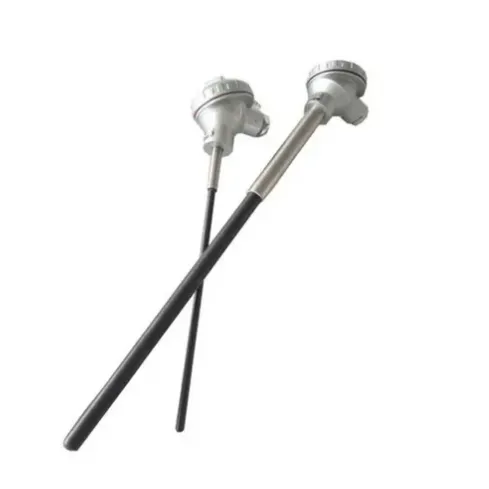
Thermal Shock and Material Integrity
Ceramics are naturally brittle. When a cold protection tube hits molten metal at 700°C (1292°F) or higher, the exterior expands faster than the interior. This stress causes cracking in standard alumina or silicon carbide tubes.
Advanced materials like Sialon (an alloy of silicon nitride and aluminum oxide) possess a low coefficient of thermal expansion. This physical property allows the thermocouple assembly to withstand repeated immersion cycles without pre-heating, a significant operational advantage for busy casthouses.
Evolution of Thermocouple Protection Tubes
Historically, foundries relied on cast iron tubes. These were cheap but heavy and required daily coating with wash to prevent iron pickup. Today, the industry has shifted toward advanced ceramics.
Cast Iron vs. Silicon Nitride (Si3N4)
The transition from cast iron to Silicon Nitride represents a leap in efficiency. Cast iron acts as a heat sink, causing a slow response time. It also introduces iron into the melt, which destroys the ductility of the aluminum part.
Silicon Nitride, specifically the gas-pressure sintered or reaction-bonded variants, offers high thermal conductivity and zero contamination. The material is non-wetting. Aluminum rolls off it like water off a duck’s back. This non-wetting characteristic prevents slag buildup (corundum growth) on the tube, ensuring the sensor reads the metal temperature, not the temperature of an insulating layer of dross.
Table 1: Comparative Analysis of Protection Tube Materials
| Feature | Cast Iron (Traditional) | Silicon Carbide (SiC) | ADtech Sialon/Si3N4 (Advanced) |
| Lifespan | 1–2 Weeks | 1–3 Months | 6–12 Months+ |
| Response Time | Slow (Heavy mass) | Medium | Fast (Thin wall) |
| Iron Contamination | High Risk | None | None |
| Maintenance | Daily coating required | Frequent cleaning | Minimal cleaning |
| Thermal Shock | High | Medium | Excellent |
| Wetting Behavior | Wetted (Slag sticks) | Semi-wetted | Non-wetting |
ADtech Case Study: Efficiency Gain in Michigan Foundry (2023)
Location: Grand Rapids, Michigan, USA
Date: March 15, 2023 – September 15, 2023
Client Profile: Tier-1 Automotive Die Caster
The Challenge:
The facility operated six holding furnaces supplying aluminum for engine blocks. They utilized standard Silicon Carbide (SiC) protection tubes. The operators faced two issues. First, the SiC tubes broke frequently during dross skimming. Second, temperature drift caused a 4% scrap rate due to porosity issues linked to overheating.
The Solution:
ADtech implemented a comprehensive upgrade program. We replaced the SiC assemblies with ADtech Sialon Thermocouple Protection Tubes equipped with high-accuracy Type K sensors.
Operational Results:
Over the six-month monitoring period, the data showed conclusive improvements:
-
Zero Breakage: The high modulus of rupture of the Sialon tubes withstood daily mechanical cleaning.
-
Scrap Reduction: Precise thermal control dropped the scrap rate from 4% to 0.8%.
-
Cost Savings: While the initial unit cost was higher, the elimination of weekly replacements and reduced scrap resulted in a net saving of $42,000 per furnace annually.
This case validates that premium consumables function not as expenses but as investments in process stability.
Critical Selection Criteria for Molten Metal Sensors
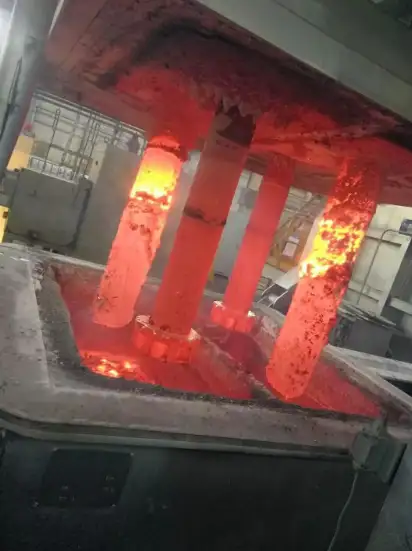
Choosing the right sensor involves more than just picking a catalog number. Engineers must evaluate the specific environment of the furnace.
1. The L Type vs. Straight Type Assembly
For dipping applications or portable measurements, a straight thermocouple works well. However, in holding furnaces or dosing furnaces, an L-shaped assembly is superior. The “hot leg” extends into the melt, while the “cold leg” keeps the terminal head away from direct radiant heat and potential splash zones. This configuration protects the electrical connections and extends the life of the compensation cables.
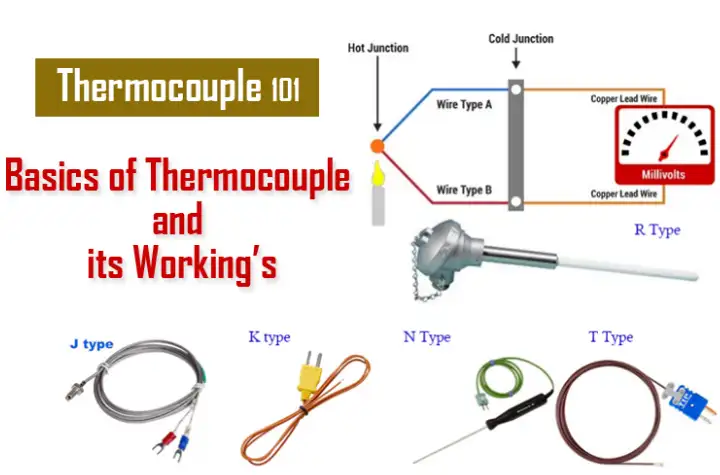
2. Sensor Type: K, N, S, or R?
-
Type K (Chromel-Alumel): The industry standard. It handles temperatures up to 1260°C. It is cost-effective and accurate enough for general casting.
-
Type N (Nicrosil-Nisil): Offers better stability than Type K at higher temperatures but is less common in aluminum due to Type K’s sufficiency.
-
Type S/R (Platinum-Rhodium): Extremely accurate but expensive and fragile. Rarely used for aluminum unless strictly required for aerospace alloy certification.
Table 2: Thermocouple Type Suitability for Aluminum
| Type | Composition | Max Temp (Continuous) | Accuracy (Standard) | Cost | Suitability for Aluminum |
| K | Ni-Cr / Ni-Al | 1100°C | +/- 2.2°C | Low | Best Choice |
| N | Ni-Cr-Si / Ni-Si | 1150°C | +/- 2.2°C | Moderate | Good Alternative |
| S | Pt-10%Rh / Pt | 1480°C | +/- 1.5°C | Very High | Overkill/Fragile |
Installation and Maintenance Protocols
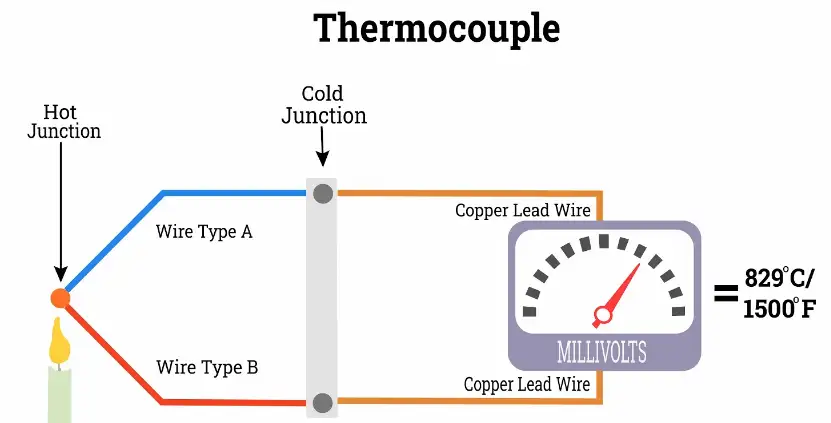
Even the robust Sialon tube requires correct handling to maximize performance. Improper installation remains the leading cause of premature failure.
Pre-Installation Checks
Before inserting the assembly, verify the continuity of the circuit. Check the resistance of the sensor element. Ensure the ceramic tube has no hairline fractures from shipping. Although Sialon is tough, it is a ceramic.
Immersion Depth
The tip of the thermocouple must sit in the flow of the molten metal but away from the burner flame path and the wall. Positioning it too close to the burner results in false high readings. Placing it near the wall causes false low readings. The ideal depth is at least 6 to 8 times the diameter of the protection tube to avoid heat conduction errors (stem effect).
Cleaning Schedule
Aluminum dross and oxide skins float on the surface. When the level changes, this sludge can adhere to the tube.
-
Daily: Visually inspect the tube.
-
Weekly: Gently wipe down the tube to remove any oxide buildup. Because ADtech tubes are non-wetting, the aluminum should peel off easily. Do not impact the tube with a heavy steel skimmer.
How Thermocouples Works and Basic Working Principle
The Role of Isostatic Pressing in Tube Longevity
The manufacturing process of the protection tube dictates its density and resistance to erosion. ADtech utilizes Cold Isostatic Pressing (CIP) followed by high-temperature sintering.
CIP ensures uniform density throughout the ceramic body. Unlike slip casting, which can leave voids or density gradients, CIP subjects the powder to equal pressure from all sides. This results in a material with superior mechanical strength and thermal shock resistance. When you buy a thermocouple, asking about the manufacturing method of the protection tube is vital. Sintered Silicon Nitride produced via CIP outperforms reaction-bonded variants in aggressive alloys.
Troubleshooting Common Temperature Deviations
When temperature readings drift or fail, the immediate reaction is often to blame the controller. Usually, the issue lies in the sensor assembly.
Table 3: Diagnostic Matrix for Thermocouple Failure
| Symptom | Probable Cause | Corrective Action |
| Open Circuit (No Reading) | Broken wire or loose connection. | Check terminal block tightness. Replace element if broken. |
| Drifting Reading | Contamination of wire or moisture in head. | Check for protection tube breach. Dry out the head. |
| Reading Lower than Actual | Short circuit or shallow immersion. | Check for shorts in the head. Increase immersion depth. |
| Reading Higher than Actual | Electromagnetic interference (EMI). | Use shielded extension cables. Route away from power lines. |
| Slow Response | Slag buildup on tube. | Clean the protection tube. Verify non-wetting properties. |
Economic Impact of Precise Pyrometry
Temperature is the variable that controls viscosity, hydrogen solubility, and oxide formation.
Hydrogen Solubility
Liquid aluminum absorbs hydrogen from the atmosphere. The solubility rate doubles for every 100°C increase in temperature. If the thermocouple reads 720°C but the melt is actually 750°C, the metal absorbs significantly more hydrogen. This gas precipitates as porosity during solidification, leading to rejected parts.
Oxide Formation
Higher temperatures accelerate oxidation. This leads to more dross (melt loss). A casthouse running 20°C hotter than necessary due to sensor error burns money in two ways: excess fuel consumption and increased metal loss to dross.
ADtech’s high-precision thermocouples help foundries hold tight tolerances, typically within +/- 3°C. This precision allows operators to run the furnace at the lowest possible temperature for the process, saving energy and improving metal quality.
Future Trends in Aluminum Temperature Sensing
The industry is moving toward digitization and automation. Smart sensors with integrated transmitters are becoming standard. These devices convert the millivolt signal to a 4-20mA or digital signal right at the head, reducing noise interference.
Furthermore, continuous monitoring systems now integrate thermocouple data with furnace pressure and fuel flow data. This holistic view allows for predictive maintenance. An unusual spike in temperature response time can trigger an alert that the protection tube requires cleaning before the reading becomes inaccurate.
ADtech remains at the forefront of this evolution, developing protection tubes with embedded wear sensors to alert operators when the wall thickness reaches a critical limit.
Sialon vs. Titanate: Identifying the Best Ceramic
While Sialon is dominant, Aluminum Titanate is another material used in the industry. Titanate has excellent thermal shock resistance but lower mechanical strength compared to Silicon Nitride.
For static applications where no physical impact occurs, Titanate is acceptable. However, in active melting furnaces or transfer ladles where metal movement and mechanical cleaning happen, Sialon’s superior strength makes it the better choice. It resists the bending forces exerted by the flow of heavy liquid metal.
Connection to Casting Quality and Grain Refinement
The efficacy of grain refiners (Titanium-Boron) depends heavily on temperature. Adding grain refiners at too high a temperature reduces their effectiveness (“fading”). Accurate thermocouple feedback ensures that additives enter the melt at the optimal thermal window.
Similarly, degassing processes require specific temperature ranges. If the melt is too cold, the degassing rotor creates excessive turbulence without removing hydrogen effectively. If too hot, the hydrogen re-absorption outpaces removal. The thermocouple is the compass that guides these metallurgical processes.
Frequently Asked Questions (FAQs)
ADtech Sialon Protection Tubes: Molten Metal FAQ
1. What is the maximum temperature for ADtech Sialon protection tubes?
Our Sialon (Si-Al-O-N) tubes are rated for continuous service up to 1300°C. This temperature range easily covers all aluminum, zinc, and lead casting applications, providing a wide safety margin compared to standard metal or low-grade ceramic tubes.
2. How do I choose the right length for the thermocouple?
To ensure accuracy, measure the distance from the mounting flange to your lowest metal level. The rule of thumb is that the tip should be submerged at least 150mm below the lowest operating metal level. This prevents ambient air temperature from “wicking” down the tube and causing a low-reading error.
3. Can I use these thermocouples for Zinc alloys?
4. Why does my fixed thermocouple read lower than my handheld lance?
5. Do Sialon tubes require pre-heating?
6. What is the most common cause of protection tube failure?
Mechanical impact is the #1 killer. Most tubes are broken by tools during dross skimming or by ingots being dropped carelessly into the bath. While Sialon is very tough, it is still a ceramic. Always ensure the thermocouple is placed in a “dead zone” of the furnace where mechanical movement is minimized.
7. How does the “wetting” property affect accuracy?
8. What is the difference between Sialon and Silicon Nitride?
Sialon is essentially Silicon Nitride “alloyed” with Aluminum Oxide. This makes Sialon more chemically stable in molten aluminum and easier to sinter to 100% density. The result is a product that is harder, denser, and more resistant to chemical corrosion than standard Silicon Nitride.
9. Can I repair a damaged thermocouple?
It depends:
- Tube Cracked? Replace it immediately. A crack will let metal in, destroying the internal sensor element.
- Sensor Broken? If the Sialon tube is still intact and free of cracks, you can simply swap out the internal thermocouple element, saving you the cost of a new tube.
10. How does ADtech ensure product consistency?
We use Cold Isostatic Pressing (CIP) to ensure uniform density throughout the tube. Every batch is subjected to ultrasonic and X-ray inspection to detect internal micro-voids or hairline fractures before they leave the factory.
Conclusion
The molten aluminum thermocouple is the sentinel of casting quality. By selecting AdTech’s advanced Sialon protection tubes, foundries eliminate the variables of iron contamination and temperature drift. The move from traditional materials to advanced ceramics is not just a technical upgrade; it is a financial strategy that lowers scrap rates and energy consumption. For casthouses aiming to dominate in a competitive market, the precision provided by these instruments is indispensable.