

While it is physically possible to melt aluminum without flux, doing so in an industrial casting environment is operationally hazardous and detrimental to product quality. Without flux or an equivalent purification technology (such as rotary degassing and filtration), molten aluminum rapidly oxidizes, developing a thick skin of aluminum oxide (dross) and absorbing atmospheric hydrogen. This leads to porosity, mechanical failure, and excessive metal loss. However, modern foundries are increasingly shifting away from heavy reliance on chemical fluxes, opting instead for AdTech’s advanced physical purification equipment—specifically rotary degassing units and ceramic foam filters—to achieve superior cleanliness with reduced environmental impact.
Why flux exists: core functions
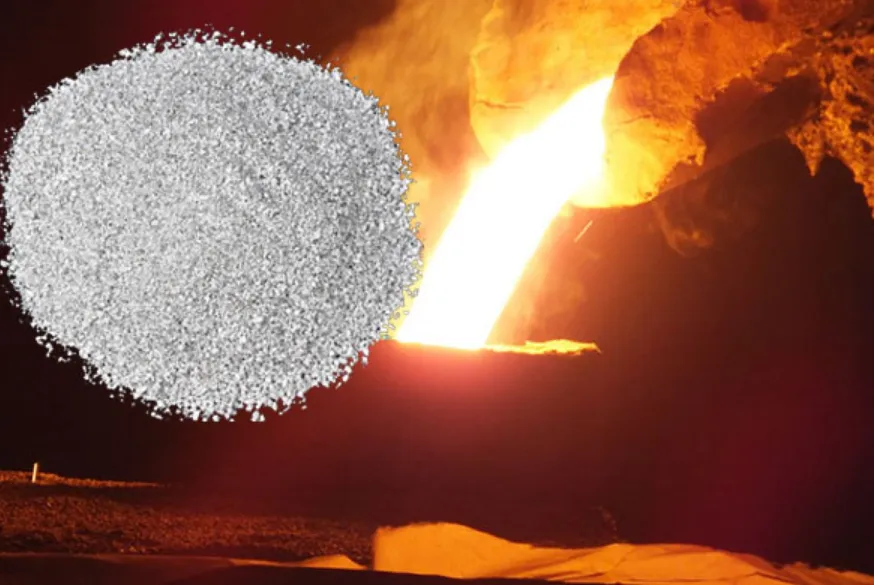
Flux performs several distinct roles in melting and refining aluminum:
-
Surface protection: a floating salt layer isolates molten metal from atmospheric oxygen and moisture, limiting further oxide formation and hydrogen absorption.
-
Oxide removal: flux wets and absorbs or encapsulates aluminum oxide (alumina) and other non-metallic inclusions, allowing them to separate from the liquid metal and be removed as dross.
-
Hydrogen control: some fluxes assist degassing by creating channels or chemical environments that help dissolved hydrogen escape into the flux layer or be trapped in nonmetallic phases.
-
Yield improvement: flux can reduce metal entrainment in dross and prevent incendiary burning of reactive alloying elements, increasing recovered metal percentage.
-
Wall and dross control: certain fluxes limit buildup on furnace or ladle walls and make dross handling safer and cleaner.
When flux is recommended and when it can be skipped
Recommended
-
Recycling mixed scrap with paint, plastics, or unknown contamination.
-
Alloys containing magnesium or zinc where oxidation and vapor losses matter.
-
Large industrial melts where yield, inclusion control, and chemical integrity are priorities.
-
When preparing castings with low porosity tolerance, and where downstream machining or structural integrity is critical.
-
If the furnace atmosphere or charge handling is poor, flux compensates by preventing further contamination.
Often skipped
-
Small hobby melts using clean, trimmed castings or cans melted and poured quickly. Many hobbyists avoid flux due to residue, mess, and risk of trapped moisture.
-
When an effective inert-gas degassing system is in place and the charge is clean and alloy composition stable.
-
If a process uses pre-cleaned ingots and tight process control that reduce dross formation and hydrogen pickup.
The Metallurgy of Molten Aluminum and the Oxide Problem
To understand the necessity of flux, one must first grasp the behavior of aluminum in its liquid state. Aluminum is highly reactive. Upon contact with oxygen, it forms an immediate layer of Aluminum Oxide (Al2O3). While this layer protects solid aluminum from corrosion, in a molten state, it becomes a contaminant.
When aluminum melts, three primary detrimental phenomena occur:
-
Oxidation: The formation of dross (skim) on the surface.
-
Hydrogen Absorption: Liquid aluminum reacts with moisture in the air (
2Al+3H2O→Al2O3+6H), absorbing hydrogen which causes porosity upon solidification. -
Inclusion Formation: Oxides and furnace refractories become trapped within the melt.
Traditional chemical fluxes were the only solution for decades. They function by changing the surface tension of the melt, creating a barrier against oxidation, and chemically reacting with oxides to separate them from the pure metal.
Understanding the Mechanisms of Fluxing Agents
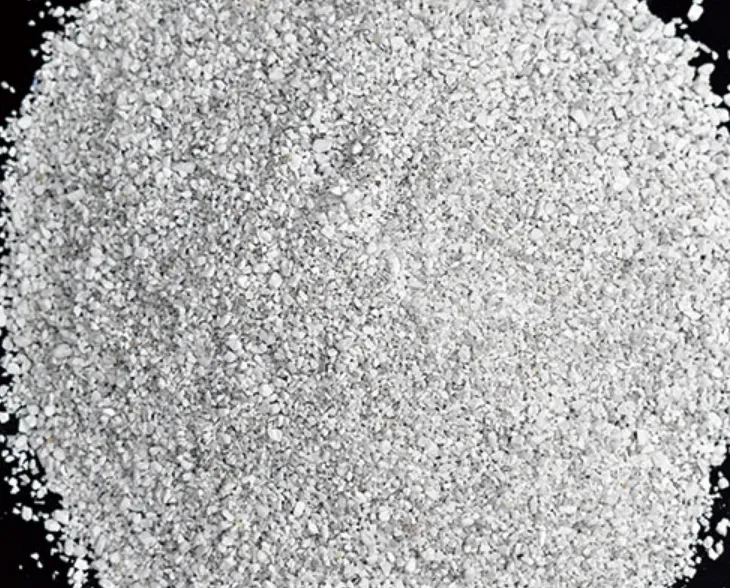
Fluxes are typically blends of salts, primarily chlorides and fluorides (NaCl, KCl, CaF2). Their operation relies on specific chemical and physical reactions designed to wet the oxide inclusions and facilitate their separation from the melt.
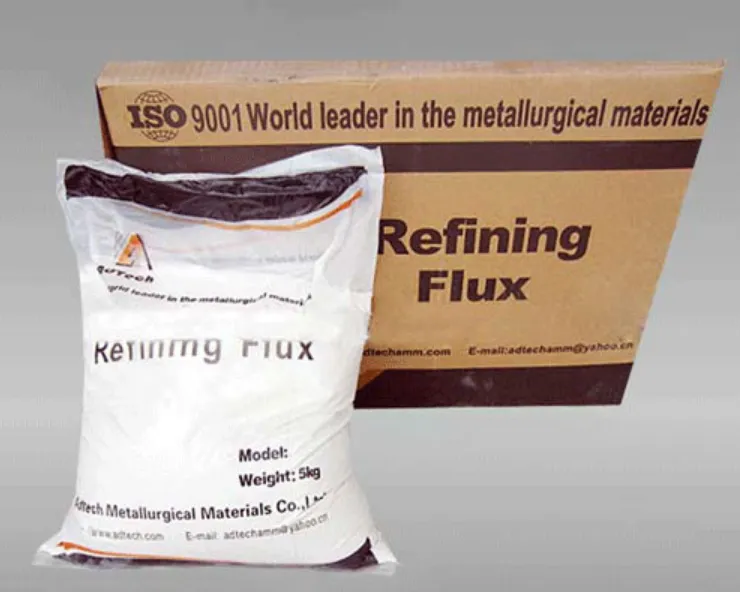
The Three Primary Functions of Aluminum Flux
-
Covering (Protection): Creates a physical barrier between the melt surface and the atmosphere to prevent oxidation.
-
Drossing (Separation): Promotes an exothermic reaction that heats the dross, causing entrapped aluminum droplets to coalesce and drain back into the bath, leaving a dry, powdery ash that is easily skimmed.
-
Refining (Cleaning): Reacts with dissolved impurities (like Calcium or Magnesium) and helps remove suspended non-metallic inclusions.
Table 1: Comparative Analysis of Flux Types vs. Operational Goals
| Flux Category | Chemical Base | Primary Function | Ideal Application | AdTech Alternative |
| Covering Flux | NaCl, KCl | Prevents oxidation during holding. | Reverberatory furnaces, long hold times. | Launders & Covers: Sealed transfer minimizes air contact. |
| Drossing Flux | Exothermic Salts | Separates metal from oxide skin. | Skimming operations, dross recovery. | Hot Dross Processing: Mechanical separation reduces salt use. |
| Cleaning Flux | Fluorides/Chlorides | Removes inclusions and hydrogen. | High-quality casting (Aerospace/Auto). | Rotary Degassing Unit: Uses inert gas to physically remove H2. |
| Wall Cleaning Flux | Oxidizing Agents | Removes corundum build-up on walls. | Furnace maintenance. | None: Chemical maintenance is still required here. |
How flux works in the melt: mechanisms summarized
-
Wetting and encapsulation: flux components lower the surface tension and preferentially wet alumina particles. That causes oxides to detach from molten aluminum and become preferentially bound to the flux.
-
Density-driven separation: flux mixtures are formulated to have a lower density than liquid aluminum, enabling flux and embedded inclusions to float to the surface where they are removed.
-
Barrier formation: when molten, the flux spreads into a continuous film that reduces direct contact between melt and air, limiting oxidation and hydrogen uptake.
-
Chemical reactions: fluorides or other active components can chemically interact with certain oxides or dissolve thin oxide films to facilitate removal.
Industrial workflows that use flux: typical process steps
-
Charge preparation: clean large contaminants, sort alloys.
-
Melting: bring metal to target superheat.
-
Cover application: add cover salts to form surface protection. Timing matters.
-
Refining/drossing: add refining flux and allow time for inclusions to be captured and for dross to rise.
-
Degassing: often performed in combination with flux using inert gas rotary, lance injection, or flux-assisted degassing.
-
Skimming and tapping: remove flux-dross layer, then pour.
-
Cleaning: remove flux residues from cast parts or clean steps if required.
Alternatives and complementary methods
Inert gas degassing (rotary and lance)
-
How it works: inert gas (argon, nitrogen, or blends) is dispersed in the melt via a rotor or lance. Cavitation and bubble surface provide sites for hydrogen to escape.
-
Pros: can achieve very low hydrogen content without adding salt residues.
-
Cons: capital cost, rotor wear, gas cost. Often combined with flux for best results.
Ultrasonic degassing
-
How it works: ultrasonic vibrations induce cavitation and bubble formation, helping hydrogen and inclusions to migrate out.
-
Pros: promising for improved cleanliness and lower porosity.
-
Cons: still developing, equipment integration and repeatability issues.
Rapid melting and controlled atmosphere
-
Approach: minimize exposure time of molten metal to the atmosphere and control furnace environment. Works well with clean charge material, often viable in small operations.
Mechanical drossing and skimming
-
Approach: physical removal of the scum and dross layer. Works best with pre-cleaned metal or after flux has been used to form a consolidated scum.
Selection criteria: how to choose a flux
Choose a flux by considering these variables:
-
Alloy composition: presence of magnesium, zinc, silicon, or other reactive elements influences which flux chemistry is safe and effective.
-
Charge cleanliness: dirtier scrap needs more aggressive fluxing.
-
Target quality: structural castings with low porosity require more careful refining and possibly combined degassing.
-
Process method: crucible vs pit vs rotary furnace each interact differently with flux.
-
Regulatory and environmental limits: fluorides and some halides have disposal and workplace limits.
-
Residue acceptability: downstream parts that must be free of salt residue need additional cleaning if flux is used.
-
Cost and yield objectives: compare flux cost to recovered metal percentage improvement.
Safety, handling, storage and environmental notes
-
Hygroscopic nature: many salt fluxes absorb moisture; wet flux will produce steam and severe porosity when added to molten metal. Store flux dry and sealed.
-
Toxic gases and fumes: some flux components release hazardous fumes when heated; local exhaust and fume capture are essential.
-
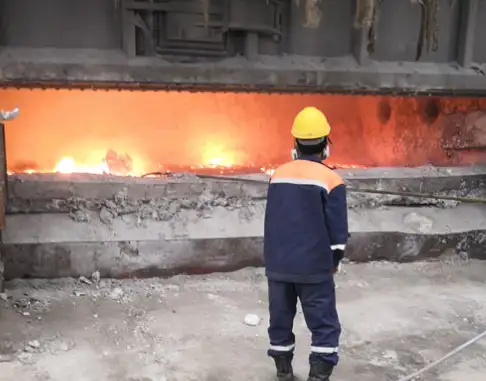
Skin and eye protection: flux dust or molten droplets can cause burns or irritation; use PPE.
-
Disposal: dross mixed with flux may require special disposal due to halide or fluoride content. Follow local regulations.
-
Compatibility: some fluxes will react with refractory linings or crucible materials; verify compatibility with your furnace system.
Troubleshooting common problems
Problem: increased porosity after flux use
-
Common causes: wet flux (moisture in flux), excessive flux leading to entrained salts, or flux added when melt temperature too low.
-
Fixes: dry flux properly, pre-melt flux into ingots if recommended by manufacturer, add flux at recommended temperature, and combine with degassing if hydrogen remains high.
Problem: flux residues on castings
-
Cause: inadequate skimming, poor flux selection, or flux entering gating system.
-
Fixes: reduce flux quantity, ensure flux floats and remains on surface, use filtration, and increase skimming time.
Problem: poor yield or metal loss
-
Cause: over-aggressive skimming or flux that dissolves metal.
-
Fixes: select flux with appropriate density and melting point; train operators in skimming technique; test small batches.
Procurement checklist and specification template
When purchasing flux, request the following data from suppliers:
-
Composition breakdown (major salts, percent fluorides).
-
Melting range and recommended use temperature.
-
Density relative to molten aluminum.
-
Recommended dosing per tonne or per kg of melt.
-
Moisture content and recommended storage conditions.
-
MSDS and CE/ROHS or regional compliance documents.
-
Recommended application method and safety controls.
-
Typical part yield improvement metrics from supplier trials.
Quick-reference tables
Table 1. Flux category versus primary use
| Flux category | Primary function | Typical chemistry |
|---|---|---|
| Cover salts | Protect surface from oxidation | NaCl–KCl mixtures, possible small fluoride |
| Refining flux | Capture oxides and inclusions | Chloride + fluoride blends, borates |
| Drossing flux | Encourage skimmable scum | Low-melting chlorides |
| Wall-cleaning flux | Remove refractory buildup | More aggressive halide blends |
| Brazing flux | Break oxide for joining | Fluorides, halides, organic vehicles |
(Sources: technical foundry articles and materials science reviews.)
Table 2. Pros and cons: flux versus inert-gas degassing
| Method | Advantages | Disadvantages |
|---|---|---|
| Flux | Protects surface; captures oxides; can increase yield | Leaves residues; moisture risk; disposal issues |
| Inert-gas degassing | No salt residue; effective hydrogen removal | Higher capital cost; gas cost; equipment maintenance. |
| Combined | Best overall melt quality for many alloys | Highest complexity and cost |
(Sources: foundry practice guides and method comparisons.)
Table 3. Typical salt components and rough melting behavior
| Component | Melting point (°C) | Role |
|---|---|---|
| NaCl | 801 | Major portion of cover salts |
| KCl | 770 | Lowers melting point when mixed with NaCl |
| NaF | 993 | Modifies wetting; active component in some blends |
| KAlF4 (potassium aluminum fluoride) | ~400–500 (compound behavior) | Flux performance modifier |
(Note: mixtures produce eutectics with lower melting points than individual salts.)
Aluminum Melting & Refining Fluxes: Technical FAQ
1. Do hobbyists need flux when melting cans?
2. Will flux remove hydrogen from the melt?
3. What happens if flux contains moisture?
4. Are fluoride-containing fluxes dangerous?
5. Can flux damage refractory furnaces?
6. Does flux change the intended alloy chemistry?
7. How much flux should I add per melt?
8. Is flux compatible with die casting and permanent molds?
9. Which is better for quality: flux or rotary degassing?
10. How do I test if my flux is working effectively?
Short checklist for an operator preparing to use flux
-
Verify flux is dry and stored in sealed containers.
-
Preheat melt to recommended temperature range.
-
Use recommended dosing and add flux gently to the surface or per supplier method.
-
Allow dwell time for flux to react and collect oxides.
-
Skim flux-dross layer thoroughly before tapping.
-
If low porosity is required, perform degassing after or during flux refining.
-
Document yield and casting quality for continuous improvement.
Final recommendations (engineer-to-engineer)
-
Start with process goals: define acceptable porosity, chemical fidelity, and yield targets.
-
Run trials: test controlled batches with and without flux, measure hydrogen and inclusion levels, and monitor metal loss.
-
Combine methods: for high-quality production, pair fluxing with rotary/inert-gas degassing. This hybrid approach often yields the best compromise between cleanliness and yield.
-
Control moisture: the single biggest cause of flux-related failures is wet flux. Maintain dry storage and condition flux if needed.