

Ceramic foam filters are a cost effective, high-performance method for removing nonmetallic inclusions, slag and oxides from molten metal flows in foundries; when selected, prepped and installed correctly they deliver measurable gains in casting surface quality, dimensional consistency and first-pass yield while lowering scrap and downstream machining time.
1. What ceramic filters are and why foundries use them
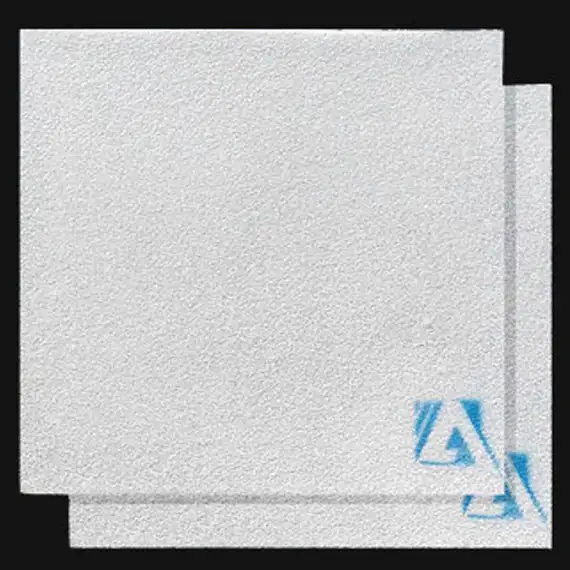
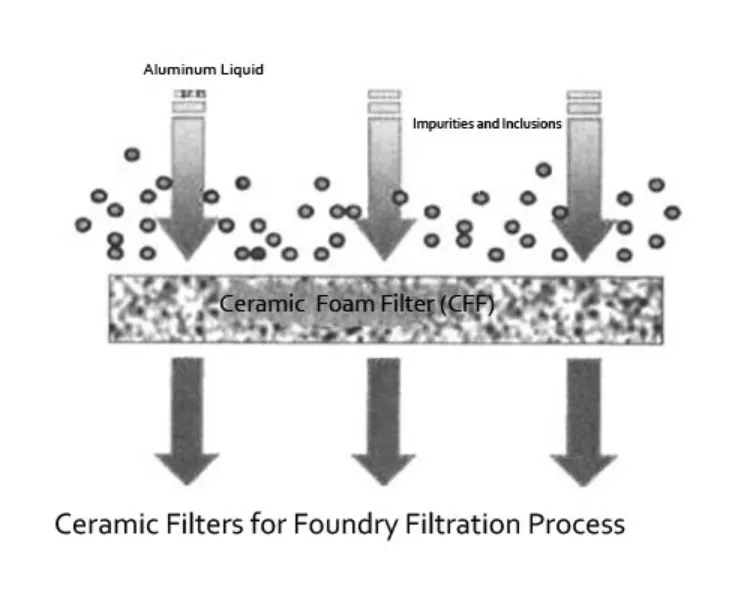
Ceramic filters used in metal casting are porous, sintered blocks engineered to permit molten metal flow while retaining solid contaminants. They are widely applied in aluminum, copper based alloys and many ferrous casting processes because their open pore architecture removes oxides, slag and entrained dross, and also damps turbulence during mold filling. Properly matched filters reduce casting porosity, surface blemishes and the need for rework.
Key advantages for foundry operations include improved mechanical uniformity, fewer inclusion related defects, reduced scrap rates and more predictable fill behavior. High internal surface area in foam structures produces a deep-bed effect so contaminants lodge throughout the filter volume rather than only on the face.
2. How ceramic foam filters trap inclusions
Filtration relies on several physical processes that work together inside the open cell network of a foam ceramic:
-
Physical straining: particles larger than the pore throat are blocked at or near the pore entrance.
-
Deep-bed capture — the tortuous channels force particles into multiple contact points inside the filter body so fine inclusions are trapped inside the volume.
-
Interception and inertial impaction: heavier particles depart the molten streamlines and collide with strut surfaces.
-
Adsorption and chemical interaction: some filter chemistries interact weakly with oxide films or flux residues, improving retention of very small particles.
-
Flow smoothing: the foam reduces turbulent eddies, promoting laminar feed into the mold cavity which limits additional oxide formation.
Because these processes occur across the filter thickness, designers often refer to the result as deep-bed filtration rather than a simple surface sieve. That difference explains why properly sized foam filters maintain flow while removing a wide range of particle sizes.
3 Common ceramic filter materials and material selection guidance
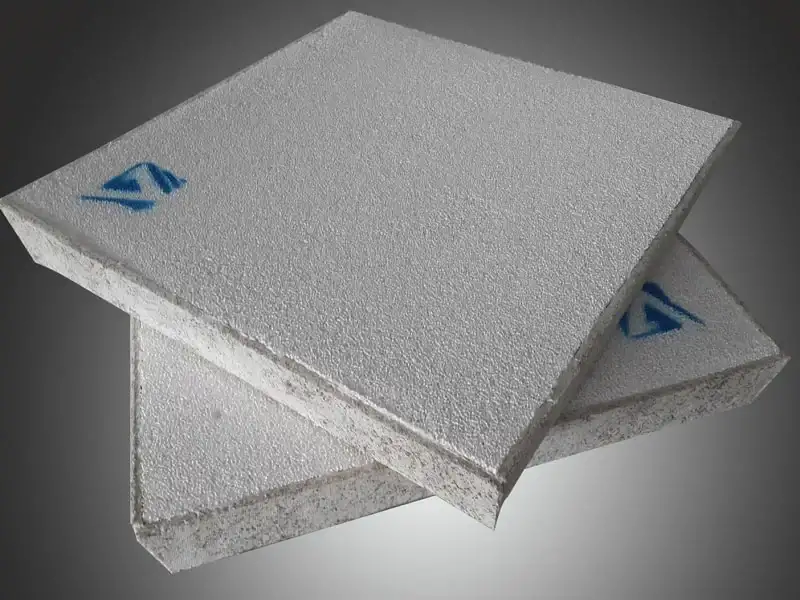
Foundry filters are manufactured from several refractory formulations. The principal choices and typical reasons to choose them follow:
| Material | Typical uses | Benefits | Notes |
|---|---|---|---|
| Alumina (Al₂O₃) | Aluminium alloys and many general applications | Good resistance to molten aluminum attack, economical | Widely used for aluminum casting up to typical service temperatures; good chemical stability. |
| Silicon carbide (SiC) | High thermal shock applications, some ferrous pours | High thermal conductivity, strong, high strength | Suitable for aggressive thermal cycles; more costly than alumina. |
| Zirconia toughened ceramics | Specialty high-purity or superalloy work | Excellent corrosion resistance, high temperature capability | Often used where metal chemistry or critical properties demand it. |
| Mullite and mixed oxides | Wide range of alloys | Balanced cost and performance | Good compromise for many foundry tasks. |
Material selection should match the melt temperature, alloy chemistry and the thermal shock environment. In aluminum foundries, alumina foam filters remain common because they combine adequate resistance with lower cost; higher value or specialty castings may justify SiC or zirconia variants.
4. Manufacturing methods and quality control checkpoints
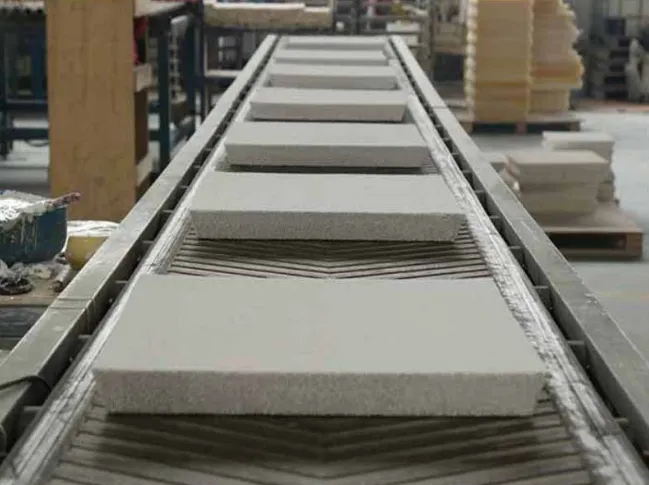
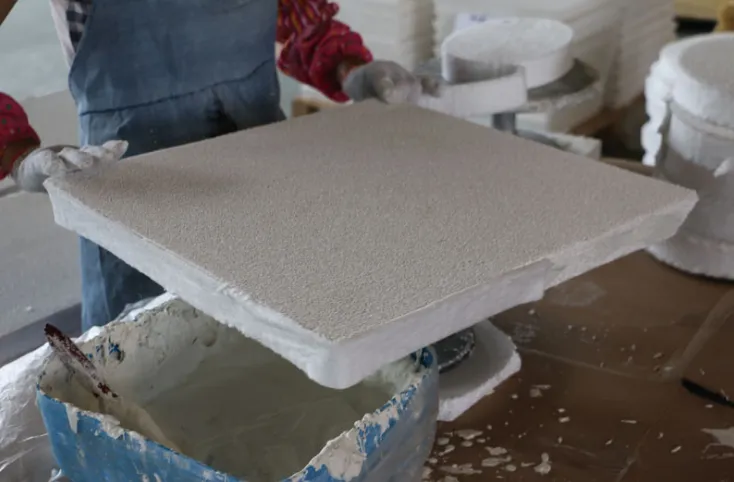
Ceramic foam filters begin with a polymer template that replicates the desired open-cell network. The key steps are:
-
Polyurethane foam template: a reticulated foam defines the pore geometry.
-
Slurry impregnation: the template is immersed in a ceramic slurry containing the chosen refractory powders and binders.
-
Squeeze and drain: excess slurry removed to control strut thickness and coating uniformity.
-
Drying: controlled moisture removal to prevent cracks.
-
Burnout: the polymer template is thermally removed leaving the green ceramic skeleton.
-
Sintering: high temperature firing densifies the ceramic struts and fixes pore structure.
-
Cutting and finishing: precision trimming to required dimensions and tolerances.
Quality control steps that matter to foundries include pore uniformity checks, dimensional tolerances, mechanical strength testing, and pre firing chemical analysis to confirm the absence of contaminants that could react with melts. Advanced suppliers may apply precision trimming so filter geometry fits modern gating modules with tight tolerances. Also read: How to Make a Ceramic Filter.
5 Technical specifications and a quick reference table
Below is a consolidated technical table with common specification ranges used for decision making in foundries. Numbers are typical industry ranges; always confirm with supplier datasheets for exact values.
| Characteristic | Typical range | Practical implication |
|---|---|---|
| Pores per inch (PPI) | 10 to 30 PPI common | Lower PPI = coarser pores = higher flow, larger particle capture; higher PPI = finer filtration but lower flow. |
| Porosity (open) | 75% to 95% | Higher porosity increases flow; lower porosity increases resistance and capture depth. |
| Thickness | 10 mm to 50 mm typical | Thicker filters provide deeper filtration and higher inclusion capacity; thin filters lower pressure drop. |
| Operating temperature | up to 1100 °C for some alumina; SiC/zirconia higher | Must exceed melt temperature with margin for thermal shock. |
| Typical shapes | Square, circular, custom cut | Shapes chosen to match gating plate, ladle spout or sleeve insert. |
| Permeability / flow coefficient | Supplier specific | Used to model pressure drop and pour rate. |
When specifying filters, note that effective pore size is influenced by strut thickness and the pore throat geometry rather than PPI alone. Suppliers frequently provide empirical flow curves that let foundries match pouring rates to filter geometry.
6 Allocation rules — choosing the right filter for alloys and casting systems
A few practical rules of thumb used by casting engineers:
-
For high fluidity aluminum alloys and thin sections, select finer PPI (18–30 PPI) to reduce microinclusions.
-
For heavy, turbulent pours or ferrous alloys, choose coarser foam (10–15 PPI) with thicker struts to avoid excessive pressure drop.
-
Thicker filters (25–50 mm) suit deep-bed capture on dirty melts; thinner plates (10–20 mm) help maintain pour rate in thin-walled castings.
-
Match filter material chemistry to alloy: alumina for aluminum, SiC or zirconia for aggressive chemistries or very high temperatures.
Recommended mapping table (starter grid)
| Alloy family | Typical PPI | Typical thickness | Notes |
|---|---|---|---|
| Aluminum casting alloys (general) | 15 to 25 | 12 to 25 mm | Alumina foam commonly used; preheat required. |
| High purity, aerospace aluminum | 20 to 30 | 20 to 40 mm | Finer filtration for surface finish and material properties. |
| Copper and bronze | 12 to 20 | 15 to 30 mm | Consider SiC blended ceramics where needed. |
| Iron and steel | 10 to 15 | 25 to 50 mm | Heavy duty SiC or specialty formulations typically used. |
These are starting points. Real selection depends on gating design, pour rate, melt cleanliness and what defects are most critical for the casting application.
7 Installation, preheating and handling checklist
Proper handling and preheating of ceramic filters is vital. Improper practice can cause cracking, poor filtration or secondary contamination.
Preheating and conditioning
-
Preheat filters to remove moisture and binders prior to contact with melt. Typical preheat temperatures vary by material and supplier; many aluminum filters require controlled preheat near pouring temperature or in a furnace.
-
Never plunge a cold filter directly into molten metal; thermal shock risk leads to breakage.
Placement and orientation
-
Align filter so the flow path crosses the full thickness; do not leave bypass gaps around the edges.
-
Use properly sized holders, gating plates or filter boxes to prevent metal flow around the filter element.
Handling
-
Handle filters gently; they are brittle after sintering and may chip. Store in dry, vibration free racks.
Installation checklist (table)
| Step | Pass / Fail criteria |
|---|---|
| Verify correct filter SKU for alloy and pour rate | Matches specification sheet and flow curve. |
| Preheat to supplier recommended temperature | No visible moisture; filter warm to touch with gloves. |
| Inspect filter for chips or cracks | No hairline cracks across struts. |
| Secure in gating plate with tight seal | No metal leakage around edges during short test pour. |
| Record batch and filter lot for traceability | Lot recorded for QA and failure analysis. |
Following these steps reduces in service failures and preserves filtration efficiency.
8 Maintenance, lifetime expectations and disposal
Ceramic filters are single use in most casting operations because they retain captured inclusions and can become clogged. Typical points:
-
Service life: one pour cycle in most operations; for continuous ladle systems filter remains until clogged or pour ends.
-
Inspection: after pour, examine filter for excessive bridging, unburned binder residue or reaction layers that indicate chemical incompatibility.
-
Waste handling: spent ceramic filter fragments are inert refractory waste; follow local environmental rules for disposal or recycling by refractory reclaimers where available.
Many foundries track filter lots to correlate filter performance with scrap rates and to tune pore size or thickness in future runs. Good data capture helps justify filtration costs with hard metrics.
9. Performance metrics, testing and measurement
Foundry engineers use several objective metrics to quantify filter performance:
-
Inclusion count and size: metallographic analysis of cast samples before and after filtration.
-
Surface roughness measurements: Ra and Rz values on critical faces to quantify cosmetic improvements.
-
First pass yield: proportion of castings needing no rework after initial production.
-
Pressure drop and pour curve: empirical measurement to ensure filter does not impede intended pour rate.
-
Turbulence index — sometimes measured by high speed flow visualization in trials.
Suppliers often provide flow coefficient data and recommended pour curves to match filters to gating systems; validating these in a trial pour is best practice.
10. Comparisons with alternate filtration technologies
| Technology | Strengths | Limitations |
|---|---|---|
| Ceramic foam filters | Deep bed capture, flow smoothing, suitable for many alloys | Single use, requires preheat, brittle handling |
| Mesh or foil filters | Low cost, simple | Tend to clog at surface, limited deep capture |
| Sintered porous ceramics | High strength, predictable pore structure | May have higher pressure drop, costlier for large areas |
| Magnetic filtration | Removes ferrous particles effectively | Ineffective for oxides and nonmetallic inclusions |
| Additive manufactured engineered filters | Precise flow engineering, reproducible | Higher unit cost, emerging supply chain |
Ceramic foam filters are often the best compromise for aluminum and many copper alloy foundries because they couple low pressure drop with deep bed capture and flow control. For specialty needs, engineered or AM filters are emerging as high performance alternatives.
11. Business case: typical ROI, savings and real world notes
Investing in filtration produces savings in several channels:
-
Lower scrap: fewer inclusion related rejects.
-
Reduced machining: improved as-cast surface reduces finishing work.
-
Fewer warranty claims: improved mechanical reliability in critical parts.
-
Process stability: less variability reduces rework and overhead.
Typical foundry reports indicate payback often occurs within a small number of production runs when filter use reduces scrap and machining enough to cover filter cost. Exact ROI requires local cost models: scrap percentage, value per casting, filter price and labor impact. Documenting baseline defect rates before filter trials helps quantify benefits.
12 Troubleshooting: common problems and recommended fixes
| Problem | Likely cause | Fix |
|---|---|---|
| Filter cracking on contact | Cold filter or rapid temperature change | Increase preheat, stage filter warming; follow supplier preheat curve. |
| Excessive pressure drop, slow pour | Too fine PPI or clogged filter | Switch to coarser PPI, increase cross sectional area or backflush in trial setup. |
| Metal bypassing filter | Poor sealing or undersized holder | Improve gasket/seal, use correct holder, rework gating plate. |
| Inclusions still present | Incorrect pore size or filter orientation | Reassess PPI and thickness, run metallography to identify particle sizes captured. |
| Chemical reaction layer on filter | Material mismatch with alloy | Choose filter chemistry matched to alloy, consult supplier. |
Documenting each failure with photos, lot numbers and metallographic samples accelerates root cause discovery.
Ceramic Foam Filters (CFF): Casting Quality FAQ
1. Why use a ceramic foam filter in aluminum casting?
2. Do I need to preheat ceramic filters?
3. How do I choose the correct PPI for my casting?
| PPI Range | Typical Application | Benefit |
|---|---|---|
| 10 – 20 PPI | Heavy sand castings, high flow | Low pressure drop |
| 30 – 40 PPI | Automotive components | Balance of flow & purity |
| 50 – 80 PPI | Aerospace & premium foil stock | Ultra-high inclusion capture |
4. Can I reuse ceramic filters?
5. What materials are available for aluminum filters?
6. Will ceramic filters really reduce turbulence?
7. How thick should a filter be?
8. What failure modes should I log for quality control?
- Choking: Filter clogging before the pour finishes.
- Bypass: Metal leaking around the filter gasket.
- Spalling: Ceramic bits breaking off into the casting.
- Lot Numbers: To trace back to the manufacturer for material defects.
9. Are there engineered alternatives with better control?
10. How do filters affect downstream machining costs?
14. Practical checklist for running a filter trial
-
Capture baseline defect and scrap rates for target casting family.
-
Choose candidate filters with supplier flow curves.
-
Preheat filters per supplier guidance; record temperatures and times.
-
Run controlled trial batches, keeping identical gating and pouring variables.
-
Perform metallographic inclusion counts and surface roughness tests.
-
Calculate change in scrap, machining hours and yield.
-
Measure any change in pour time or ladle pressure and adjust gating if needed.
-
Collate costs and compute ROI.
15 References and further reading
Key industry and technical resources that informed this overview:
-
Pyrotek, “Pyropore Ceramic Foam Filters” product information.
-
CoorsTek, “Ceramic Foundry Filters” application notes.
-
ScienceDirect, peer reviewed articles on foam ceramic production and filtration performance.
-
FoundryFiltration, technical articles and product pages on alumina ceramic foam filters.
-
AdTech product overview for ceramic foam filter (sample manufacturer page)
-
Industry supplier guidance from SF-Foundry and SELEE on best practice and QC.
-
PDF whitepaper on 3D printed ceramic filters and their advantages.