

Ceramic fiber gaskets provide reliable sealing and thermal barrier performance in high temperature installations, routinely withstanding temperatures up to roughly 2300°F to 2600°F, and they combine lightweight thermal insulation with flexible form factors that make them a cost effective choice for furnace doors, flue seals, kiln closures, and low-pressure duct flanges. For procurement that balances performance, traceability, and volume pricing, AdTech offers factory-direct production, controlled quality, and customization that reduces installation downtime and total lifecycle cost.
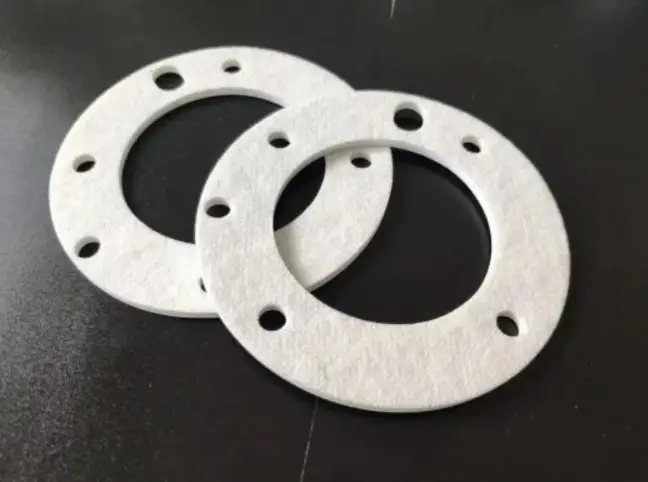
1. What ceramic fiber gaskets are and where they fit in sealing technology
Ceramic fiber gaskets are sealing elements produced from high purity ceramic fibers formed into paper, board, rope, or felt. They function both as thermal insulation and as a compressible sealing medium for high temperature joints. Their most important value proposition is stability at extreme temperatures combined with low thermal storage, which reduces heat soak into surrounding structures and lowers heat loss. Typical uses include furnace doors, sight glass surrounds, ductwork for hot air, flue pipe doors, and low-pressure high-temperature flange interfaces.
2. Materials and grades: temperature performance, chemical resistance, and density
Ceramic fiber gaskets are made from refractory ceramic fibers derived from alumina and silica. Manufacturers offer grades tailored to different peak temperatures and chemical exposure. Typical grades and performance brackets include:
-
Standard alumina-silica fiber paper and board rated to around 2300°F (1260°C). Good general purpose performance and flexibility.
-
High temperature specialty grades that can handle up to 2550°F to 2600°F (1400°C to 1430°C) for brief exposure in demanding furnaces. These use higher purity wool and tighter processing controls.
-
Low binder and binder-free styles for reduced smoke and binding materials under extreme service. Binder content affects handling and long term strength.
Other material variables that matter include density, thickness, and the presence of surface coatings. Density influences compressibility and thermal conductivity. Typical densities range from low hundred kilograms per cubic meter for flexible paper to higher densities in board products meant for flange sealing under small loads.

3. Shapes, sizes, and fabrication methods
Ceramic fiber gasket stock comes in several standard formats:
-
Sheet and board: cut-to-size sheets from 1/32 inch up to 1/4 inch and thicker, used where a flat sealing face is required. These can be die-cut for repeatable gasket shapes.
-
Rope and cord: cylindrical gaskets or rope seals for packing around round doors and closures. Rope can be braided or formed with different densities.
-
Tape and paper rolls: thin paper-like sheet delivered on rolls for wrapping or making custom seals. Common in aftermarket and hobby kiln work.
-
Die-cut parts and custom shapes: production die-cutting yields consistent cross section and is preferred for high-volume needs; hand-cutting suits prototypes or special shapes.
Cutting methods include knife trimming, water jet for thicker boards, and die tooling for consistent production. Some gaskets are reinforced with stainless wire or mica facing to improve abrasion resistance.
4. Mechanical, thermal, and chemical properties that determine selection
Key parameters for engineers and procurement teams:
-
Maximum continuous service temperature: choose a grade rated above expected peak temperature. Typical selections: 2000°F for moderate service, 2300°F for heavier duty, up to 2600°F for specialty needs.
-
Thermal conductivity: low conductivity reduces heat transfer through the gasket, lowering energy loss. Ceramic fiber products are prized for low thermal conductivity at high temperature.
-
Compression and recovery: compressibility ensures sealing under light flange loads while recovering prevents long term creep. Density and binder content influence these properties.
-
Chemical resistance: resistant to most combustion gases, mild acids, and many process atmospheres. Concentrated alkalis and a few fluorine containing environments may attack the fibers.
-
Abrasive resistance and handling: untreated fiber can shed; coatings and facing layers reduce shedding and improve sealing life.
5. Typical industrial applications and service environments
Ceramic fiber gaskets are used where temperatures exceed the limits of metal or graphite gaskets or where insulation is required:
-
Industrial kiln and furnace doors and sight glasses for steel, aluminum, ceramic, and glass processing.
-
Boiler and burner access seals where flame and hot gases are present.
-
Flue and exhaust pipe seals for residential and industrial combustion systems.
-
High temperature ducting and expansion joint interfaces with low pressure.
-
Spiral-wound gasket fillers used inside metal ring gaskets to raise temperature capability.
Selecting the correct shape and grade reduces maintenance frequency and avoids unexpected furnace downtime.

6. Manufacturing, inspection, and quality control
Reliable performance depends on controlled raw materials and finishing:
-
Raw material purity: higher alumina content and low impurities improve strength and temperature capability. Leading mills use staged slag removal and controlled fiberizing.
-
Process controls: binder percentage, calendering, and post-formation drying affect density and mechanical stability.
-
Dimensional tolerances: die-cutting or CNC routing ensures repeatable part fit, important for automated assembly.
-
Inspection: common checks include thickness, density, maximum temperature rating, and visual checks for delamination or contamination. Traceability documentation is recommended for critical installations.
AdTech’s recommended practice is to provide material test certificates and batch traceability on all production lots for industrial customers.
7. Pricing snapshot: United States, India, China
Price varies significantly with format, grade, and volume. The table below gives representative retail and factory price ranges for common items in late 2025. These are indicative ranges; buyers should request formal quotes for specific grade, thickness, and quantity. Sources include online retail listings, B2B marketplaces, and manufacturer catalogs.
| Product format | United States typical retail price (small quantity) | India typical price (domestic suppliers, small quantity) | China factory price (FOB, small batches) |
|---|---|---|---|
| Ceramic fiber gasket paper, 1 mm, per 24″ x 25 ft roll | $90 to $180 | ₹4,000 to ₹10,000 | $30 to $120 |
| Ceramic fiber sheet 1/8″ (24″ x 12″) | $8 to $30 each | ₹500 to ₹2,500 | $2 to $10 |
| Ceramic fiber rope, 10 mm dia, per meter | $1.50 to $6 | ₹80 to ₹400 | $0.20 to $2 |
| Die-cut gasket (small custom run) | $5 to $50 per piece | ₹300 to ₹2,000 | $0.50 to $15 |
| High purity 1430°C rated board, per sq ft | $20 to $60 | ₹1,500 to ₹5,000 | $5 to $30 |
Notes: retail channels in the United States and Europe list finished sheets and consumer sized packs at higher per-unit prices. China factory prices are lower for direct purchasing but require MOQ compliance and freight. Online retail examples show consumer rolls and sheets in US stores and marketplaces.
8. What drives price and lead time
Understanding price drivers helps procurement teams get better total cost. Major factors:
-
Raw material grade and purity: higher alumina and specialty wool cost more.
-
Product format and thickness: thicker board or reinforced products need more material and manufacturing steps.
-
Volume and MOQ: small custom runs carry higher unit costs; larger orders amortize tooling and setup.
-
Surface treatments and facing: stainless wire mesh, mica, or coatings add processing costs.
-
Cutting tolerances and custom shapes: die tooling and precise cutting increase cost relative to generic sheets.
-
Logistics and trade factors: freight, duties, and any certification or testing needs influence landed cost.
To reduce cost per piece, buyers can standardize gasket drawings, order larger numbers, and accept common stock sizes.
9. Five year industry outlook and development trends
The near future for high temperature sealing and insulation has several converging forces:
-
Steady demand from heavy industrial heating: metals, glass, and ceramics production will keep baseline demand stable. Geographic shifts in manufacturing may change regional supplier roles.
-
Energy efficiency pressure: stricter industrial energy management motivates adoption of lower thermal conductivity seals and better sealing practices that reduce heat loss. That increases preference for better-performing fiber grades and faced gaskets.
-
Materials innovation: incremental improvements in fiber purity and low binder formulations will raise usable temperature and reduce offgassing and dusting.
-
Supply chain localization: some buyers will move toward near-shore suppliers to cut lead time and inventory carrying cost. That will favor manufacturers with multiple regional plants.
-
Regulatory and safety focus: increased attention to workplace exposure and flammability may encourage coated or faced products to reduce fiber release.
Projected change by 2030: moderate annual growth in high temperature insulation consumables with pockets of faster growth where electrification or scaling furnace capacity occurs. Buyers should plan for modest price inflation while securing long term supplier agreements to lock critical inventory.
10. Why choose AdTech for ceramic fiber gaskets
AdTech provides factory-direct manufacturing combined with application engineering. Key differentiators:
-
Custom formulation matched to operating temperature and chemical exposure. We can supply standard 2300°F grade or high purity 2550°F variants.
-
In-house die-cut and CNC routing to deliver repeatable tolerances for high-volume programs.
-
Batch traceability and material test reports support critical installations where downtime cost is high.
-
Competitive factory pricing for bulk orders, plus small-batch flexibility for prototyping.
-
Technical support for installation, thermal calculations, and part drawings so customers minimize rework.
AdTech can also add facing layers, stainless wire reinforcement, and custom packaging to meet occupational safety requirements. For customers seeking a single vendor for insulation components and aftersales service, partnering with AdTech often shortens time to operation and reduces overall lifecycle cost.
11. Installation best practices and storage recommendations
Practical steps to get expected life from ceramic fiber gaskets:
-
Surface preparation: clean flange faces or mating surfaces of scale, paint, and grease before sealing. Smooth edges improve uniform contact.
-
Proper compression: follow supplier torque or compression recommendations to avoid crushing the gasket or leaving gaps. Ceramic fiber is compressible but excessive compression reduces thickness needed for insulation.
-
Protect tack and dust: where fiber shedding is a concern, use facing or wrap the gasket in thin metal mesh or mica tape. This reduces airborne fiber and improves life.
-
High temperature seasoning: some installations benefit from a controlled heat cycle to seat the gasket and minimize outgassing at first use. Follow the manufacturer’s heating ramp instructions.
-
Storage: keep in dry, cool, and clean conditions. Avoid exposure to acids, alkaline solutions, and humidity which may affect binder properties.
A short installation checklist is included in the appendix for procurement and maintenance teams.
12. Environmental, health, and regulatory notes
Ceramic fiber products historically raised workplace handling concerns if fibres become airborne. Modern manufactured products with low binder content and facing treatments reduce airborne fiber. Recommended practices include:
-
Personal protective equipment during cutting and trimming, including dust masks and eye protection.
-
Local exhaust and wet cutting methods to limit dust generation.
-
Material safety data sheets that specify handling instructions and exposure limits.
-
Avoidance of concentrated alkalis in service which can degrade fiber integrity.
Regulatory compliance varies by jurisdiction; AdTech provides MSDS and handling guidance for each product.
Ceramic Fiber Gaskets: High-Temperature Sealing FAQ
1. What temperature can ceramic fiber gaskets handle?
2. Will the gasket release fibers into the workspace?
Untreated ceramic fiber can shed small amounts of dust during handling or cutting. To minimize release, use faced products (with foil or mica) or mesh facing.
3. Can ceramic fiber gaskets be used with metal flanges?
4. How long does a ceramic fiber gasket typically last?
5. Are there alternatives to ceramic fiber gaskets?
Depending on your requirements, alternatives include:
- Flexible Graphite: Better for high-pressure but lower temperature.
- Mica Gaskets: Excellent chemical resistance and high heat stability.
- Spiral Wound Gaskets: Preferred for high-pressure industrial piping.
For the specific combination of high-insulation and extreme heat, ceramic fiber remains the industry standard.
6. Can I cut ceramic fiber gaskets on-site?
7. What facing options exist for these gaskets?
Common facing options to improve performance include:
- Stainless Steel Wire Mesh: Increases abrasion resistance and durability.
- Mica Facing: Provides an extra chemical and heat barrier.
- Aluminum Foil Backing: Reduces fiber shedding and reflects radiant heat.
8. Do I need material test certificates?
9. How does humidity affect gasket storage?
10. How should I pick a reliable supplier?
14. Appendix A: Specification checklist and inspection template
Use this checklist when placing orders or performing incoming inspection:
-
Material grade and highest continuous service temperature
-
Thickness tolerance and density target
-
Facing or reinforcement options required
-
Dimensional drawing with tolerance callouts
-
Quantity, lead time, packaging requirements
-
Required certificates and test reports
-
Handling and storage guidance included
-
Vendor batch traceability and aftersales contact
15. Appendix B: Practical comparison table of features
| Feature | Ceramic fiber gasket paper/board | Graphite gasket | Metal gasket |
|---|---|---|---|
| Max temperature capability | Up to 2600°F for special grades | Good to ~1200°F for flexible graphite with inserts | Excellent mechanical strength at high temp, but conducts heat |
| Insulation performance | Low thermal conductivity | Moderate | High conductivity |
| Compressibility | High | Moderate | Low |
| Chemical resistance | Good to most combustion gases, weak to strong alkali | Good to many chemicals | Good to many chemicals |
| Abrasion / handling | Needs facing to reduce shedding | Robust | Robust |
16. Practical purchasing recommendations
-
For prototype and small orders, buy faced sheet or die-cut single parts from a supplier that can provide fast small batch production. This reduces on-site cutting work.
-
For volume buys, negotiate MOQ and get tooling included. Consolidate sizes to reduce SKU proliferation and inventory.
-
For critical installations, require batch test certificates and request a sample for fit and thermal check before placing the production order.
Closing summary
Ceramic fiber gaskets fill a specific and growing need in thermal sealing where high temperature stability and thermal insulation are required. Performance depends strongly on material grade, fabrication method, and proper installation. Price varies by region and format, yet factory-direct procurement from a reliable manufacturer like AdTech yields advantages in cost, traceability, and customization. If you want a tailored recommendation for your equipment, supply a drawing, operating temperature profile, and flange load details and AdTech’s engineering team will produce a specification and quote with lead time and test documentation.