

Molten aluminum purity is the most influential factor in determining the structural integrity and surface finish of cast components. Non-metallic inclusions, such as oxides, carbides, and nitrides, frequently cause metallurgical defects that compromise the mechanical strength of the final product. Effective aluminum filtration is a technical necessity for foundries aiming to minimize waste and meet rigorous international quality standards.
If your project requires the use of Ceramic Foam Filter or Equipment, you can contact us for a free quote.
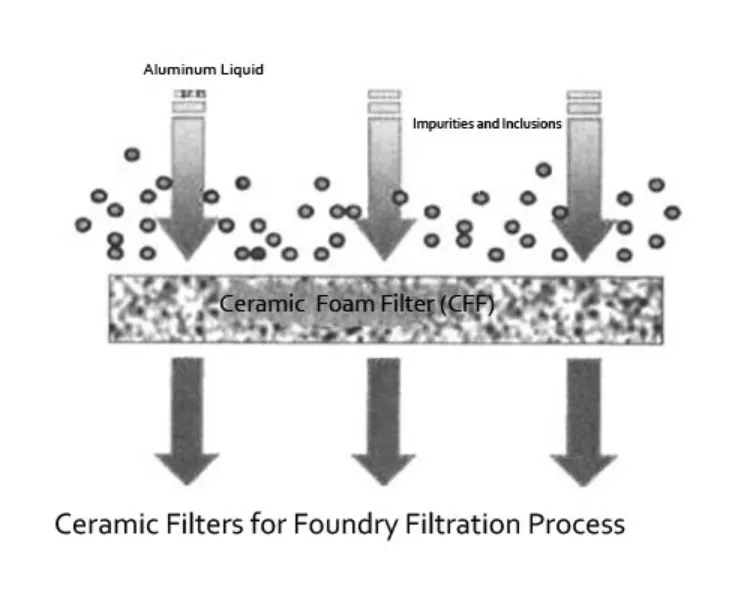
AdTech provides specialized ceramic foam filters designed to create a tortuous path for molten metal, capturing impurities through both physical sifting and deep-bed adsorption. This filtration process eliminates microscopic particles that standard screening methods often miss, ensuring a clean and stable metal flow. By integrating high-performance filtration technology, aluminum processing facilities can maintain consistent metallurgical results and significantly reduce rejection rates in complex casting environments.
The implementation of a robust aluminum filtration strategy allows manufacturers to satisfy the strict requirements of the automotive and aerospace sectors. Prioritizing the removal of inclusions through advanced material science remains the industry benchmark for achieving superior metal quality in modern industrial applications. AdTech continues to support global foundries with filtration systems that enhance production efficiency and ensure long-term casting reliability.
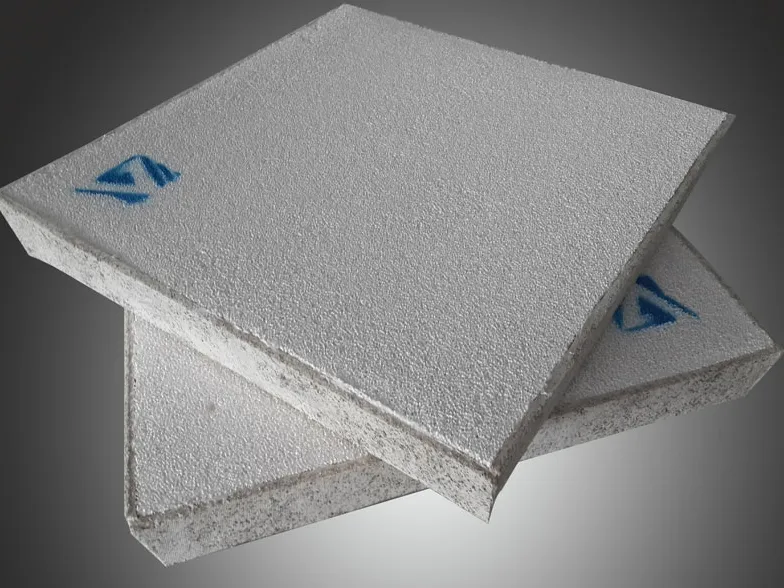
What Defines High-Performance Ceramic Foam Filters in Molten Aluminum Purification?
Understanding the precise thermodynamic baseline and structural mechanics characterizing refractory porous textiles remains crucial before contacting any global distributor. High-performance alumina ceramic foam filters consist of a highly tortuous, three-dimensional network of sintered refractory material designed specifically to withstand the extreme thermal shock and chemical corrosion inherent within molten aluminum casting environments.
The Role of High-Purity Alumina Matrix in Thermal Shock Resistance
When evaluating premium stock, buyers must verify the exact chemical composition. Top-tier filtration media rely heavily upon high-purity aluminum oxide. Manufacturers carefully blend alumina powder with specific ceramic binders, creating a specialized slurry. Technicians then coat a combustible polyurethane sponge template with this proprietary slurry. During the high-temperature sintering process, the polyurethane template completely vaporizes, leaving behind a rigid, perfectly formed ceramic skeleton mimicking the exact cellular structure of the original sponge.
This resulting alumina matrix possesses extraordinary thermal shock resistance. Molten aluminum typically pours at temperatures ranging from 700 to 760 degrees Celsius. When the liquid metal makes initial contact with the refractory network, the temperature gradient spikes violently. Inferior materials will crack, sending catastrophic ceramic debris directly into the casting mold. Premium alumina filters maintain their complete structural integrity during this violent thermal transition, remaining chemically inert and preventing any secondary contamination of the aluminum alloy.
Porosity and Microscopic Pore Size Distribution
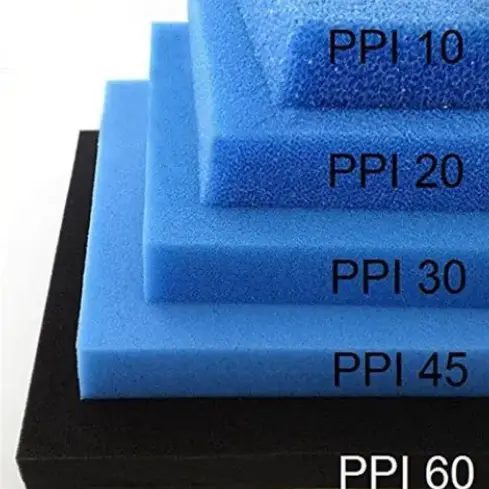
The effectiveness characterizing any filtration system heavily depends upon its internal geometry. Engineers measure this geometry utilizing a metric called Pores Per Inch. This measurement dictates the physical size of the cellular openings. A lower number indicates larger holes, while a higher number signifies incredibly fine, tightly packed cellular structures. The completely random, labyrinth-like internal pathways force the liquid metal to constantly change direction, creating the necessary fluid dynamics to capture microscopic impurities successfully.
How Do Alumina Ceramic Foam Filters Eliminate Non-Metallic Inclusions?
Purchasing departments face immense pressure to source defect-free materials capable of surviving prolonged abuse inside continuous casting operations. We observe that premier suppliers differentiate their product lines by clearly explaining the underlying fluid mechanics responsible regarding inclusion capture. The filtration process involves much more than simply acting like a basic physical sieve.
Deep Bed Filtration Mechanisms vs. Standard Cake Mode
Ceramic foam structures utilize two distinct operational phases: cake mode and deep bed capture. Initially, when the liquid metal first enters the matrix, larger oxide particles cannot physically pass through the surface pores. These large particles quickly accumulate on the topmost surface, creating a secondary, natural filtration layer referred to functionally by metallurgists simply like a “filter cake.” This newly formed layer begins capturing even smaller particles before they even enter the ceramic body.
Simultaneously, the deep bed mechanism activates within the internal labyrinth. Because the internal pathways are highly tortuous, microscopic inclusions floating within the molten stream cannot navigate the sharp turns. Through the principles governing fluid mechanics, including interception, gravity sedimentation, and Brownian motion, these tiny non-metallic particles physically collide with the internal ceramic walls. Due to strong van der Waals forces and the high surface tension characterizing liquid aluminum, these microscopic impurities permanently bond to the sintered alumina structure.
Capturing Hydrogen Gas Bubbles and Corundum Particles
Beyond solid impurities, molten aluminum notoriously absorbs excessive hydrogen gas. During the cooling phase, this dissolved hydrogen attempts to escape, creating highly detrimental porosity voids within the solidified billet. The complex internal geometry characterizing the alumina matrix actively assists in shear-thinning the liquid metal, causing dissolved hydrogen bubbles to coalesce against the rough ceramic struts. Once these bubbles gather sufficient volume, they rise to the surface, effectively degassing the melt. Additionally, the matrix successfully traps extremely hard corundum particles, which routinely break off from furnace linings and represent the leading cause behind catastrophic tool failure during downstream CNC machining processes.
Table 1: Filtration Mechanisms and Targeted Defect Types
| Filtration Mechanism | Physical Process Description | Targeted Inclusions |
|---|---|---|
| Surface Cake Formation | Accumulation on the top face | Large oxide skins, heavy dross |
| Direct Interception | Particles crashing into internal walls | Medium corundum, spinel formations |
| Gravity Sedimentation | Heavy particles settling inside struts | Refractory brick fragments |
| Diffusion/Brownian Motion | Erratic microscopic movement | Sub-micron oxides, alkali trace metals. |
| Gas Coalescence | Bubbles gathering on rough textures | Dissolved hydrogen gas voids |
Which Porosity Grade Fits Specific Aluminum Casting Requirements?
Selecting the correct cross-sectional geometry and cellular density completely dictates the success or failure characterizing the entire casting run. Manufacturers fabricate these refractory media utilizing several standard porosity grades, each engineered strictly toward specific metallurgical applications.
10 to 20 Pores Per Inch: Standard Ingot and Billet Casting
Large-scale foundries producing standard commercial aluminum billets or massive rolling ingots generally require very high metal flow rates. Utilizing a highly restrictive porosity grade would slow the continuous casting speed excessively. Therefore, engineers specify 10 to 20 Pores Per Inch configurations. These open-cell structures easily capture large oxide films and heavy slag without significantly reducing the volumetric flow rate. This grade perfectly suits the production requirements regarding structural architectural profiles, standard automotive engine blocks, and basic commercial extrusions.
30 to 60 Pores Per Inch: Aerospace and Premium Foil Grade Applications
Conversely, producing ultra-thin aluminum foil or mission-critical aerospace components demands absolute metallurgical purity. Even a microscopic, ten-micron inclusion will cause a catastrophic tear during the foil rolling process, ruining an entire production batch. Regarding these high-stakes applications, foundries deploy 30, 40, or even 60 Pores Per Inch configurations. While these incredibly dense matrices severely restrict the flow rate, they provide unparalleled deep-bed filtration, capturing sub-micron impurities and ensuring the final alloy meets the strictest ultrasonic testing standards required by the aviation industry.
Table 2: Porosity Grade Selection Matrix
| Porosity Grade | Cell Opening Size | Recommended End-Use Application | Relative Flow Rate |
|---|---|---|---|
| 10 PPI | 3.0 mm – 5.0 mm | Standard Billets, Heavy Castings | Very High |
| 20 PPI | 2.0 mm – 3.0 mm | Architectural Extrusions, Alloys | High |
| 30 PPI | 1.2 mm – 1.5 mm | Premium Automotive, Thin Profiles | Moderate |
| 40 PPI | 0.8 mm – 1.2 mm | Aluminum Cans, Lithographic Plates | Low |
| 50/60 PPI | 0.4 mm – 0.8 mm | Aerospace Components, Ultra-thin Foil | Very Low |
How Does Filter Dimension and Thickness Impact Metal Flow Rates?
When browsing regional supplier catalogs, buyers must calculate the precise physical dimensions required to maintain their target production speeds. Understanding these volumetric flow dynamics prevents critical bottlenecks during the pouring sequence.
Calculating Molten Aluminum Velocity and Head Pressure
Metallurgical flow dynamics follow strict mathematical principles heavily reliant upon Darcy’s Law governing fluid movement through porous media. The total volumetric throughput directly correlates with the cross-sectional surface area characterizing the chosen filter. A standard 7-inch square unit will process significantly less liquid metal per minute compared to a massive 26-inch square unit.
Furthermore, operators must calculate the required metallostatic head pressure. The liquid metal must pool above the ceramic surface to generate enough downward gravitational force to push the fluid through the tortuous pathways. Denser porosity grades require substantially higher head pressure to initiate the flow. If the furnace cannot deliver sufficient metal volume to maintain this specific head pressure, the flow will stall, leading to incomplete mold filling and massive scrap generation.
Standard Industry Sizes vs. Custom Flow Configurations
Leading global suppliers maintain vast warehouses stocked with standardized dimensions, typically ranging from 7-inch square plates to 26-inch square configurations. Standard thickness typically measures exactly 50 millimeters (roughly two inches), providing the optimal balance between deep-bed capture efficiency and acceptable flow restriction. However, specialized continuous casters often require custom geometries, including round discs, heavily beveled edges, or non-standard thicknesses. We recommend partnering with vendors possessing robust domestic manufacturing capabilities, ensuring uninterrupted delivery regarding highly customized refractory orders.
Why is Preheating Critical Before Molten Aluminum Pouring?
Even the highest quality refractory textile will fail spectacularly if installed and operated incorrectly. Maintenance teams must adhere to strict thermal protocols to maximize the lifespan characterizing the purification system.
Preventing Severe Thermal Shock and Metal Freezing
Alumina possesses a relatively high heat capacity, meaning it absorbs vast amounts of thermal energy rapidly. If an operator pours 750-degree Celsius liquid aluminum directly onto a cold, room-temperature ceramic matrix, the refractory material will instantly absorb the heat from the leading edge characterizing the metal stream. This sudden loss of thermal energy causes the liquid aluminum to freeze immediately within the microscopic pores, completely plugging the internal pathways.
Foundries refer to this disastrous event simply utilizing the term “metal freeze-off.” To prevent this entirely, operators must preheat the refractory matrix to approximately 400 to 500 degrees Celsius immediately prior to initiating the pouring sequence.
Recommended Temperature Curves and Heating Equipment
Proper preheating requires specialized equipment. Operators typically utilize precisely controlled gas-fired burners or highly advanced electric resistance heating lids positioned directly above the filtration bowl. The heating curve must remain gradual. Blasting a cold ceramic structure with a maximum-intensity gas flame can induce localized thermal stress fractures. Technicians should gradually increase the burner intensity over a 15-to-30-minute window, ensuring the thermal energy penetrates completely through the entire 50-millimeter thickness, guaranteeing a smooth, uninterrupted initial metal flow.
Table 3: Recommended Preheating Parameters
| Preheating Phase | Target Temperature | Duration | Equipment Type |
|---|---|---|---|
| Initial Warming | Room Temp to 200°C | 10 Minutes | Low-flame Gas Burner / Electric |
| Deep Penetration | 200°C to 400°C | 10 Minutes | Medium-flame Gas Burner |
| Final Readiness | 400°C to 500°C+ | 5-10 Minutes | High-intensity Radiant Heat |
What Are the Quality Control Metrics Regarding CFF Production?
Procurement teams must evaluate multiple mathematical metrics beyond the baseline price per unit. Securing a reliable supply chain involves evaluating distributor capabilities, rigorous testing protocols, and certified manufacturing tolerances. We observe that top-tier suppliers differentiate themselves through completely transparent testing documentation.
Compressive Strength Testing Procedures
The refractory matrix must possess sufficient mechanical strength to withstand both the intense downward pressure exerted by the liquid metal pool and the physical handling during installation. Quality assurance laboratories perform Cold Crushing Strength (CCS) tests on every single production batch. A hydraulic press applies increasing downward force until the ceramic skeleton fractures. Premium alumina filters must demonstrate a minimum compressive strength exceeding 0.8 Megapascals to pass inspection. Inferior products with weak internal strut connections will crumble under the metallostatic head pressure, ruining the entire casting run.
Dimensional Tolerance and Expandable Edge Sealing
Exact physical dimensions remain absolutely critical. The ceramic plate must fit perfectly inside the corresponding refractory bowl. If the plate measures too small, liquid metal will bypass the structure entirely, flowing down the side gaps and carrying severe impurities directly into the mold. To guarantee a flawless seal, premium manufacturers wrap the perimeter characterizing every unit with an expanding, heat-activated ceramic fiber gasket.
When exposed to the extreme heat characterizing the molten metal, this specialized gasket expands volumetrically, pressing tightly against the bowl walls and completely sealing any microscopic bypass routes. Quality control teams must measure the length, width, and bevel angles utilizing laser calipers, ensuring deviations never exceed two millimeters.
How Do AdTech Ceramic Foam Filters Compare to Fiberglass Mesh Solutions?
When browsing global supplier catalogs, casting engineers often encounter inexpensive fiberglass mesh alternatives. Understanding the profound metallurgical differences between these technologies completely prevents catastrophic product failures during critical automotive production runs.
Fiberglass mesh provides a very low-cost, highly simplistic filtration method. Foundries often place these flexible meshes directly into the mold sprue. However, fiberglass possesses severe limitations. First, standard fiberglass degrades rapidly at elevated temperatures, losing structural integrity. Second, fiberglass acts purely exclusively strictly through the surface cake mechanism. It provides absolutely zero deep-bed filtration capabilities.
While fiberglass successfully catches massive slag chunks, it completely fails to capture the dangerous microscopic inclusions, oxide films, and dissolved hydrogen bubbles. Any application requiring structural integrity, continuous high-velocity extrusion, or stringent porosity limitations absolutely mandates the implementation characterizing three-dimensional sintered alumina structures.
Table 4: Technology Performance Comparison
| Feature Matrix | High-Purity Alumina CFF | Standard Fiberglass Mesh |
|---|---|---|
| Filtration Mechanism | Deep-bed and Surface Cake | Surface Sieve Only |
| Micro-Inclusion Capture | Exceptional (Sub-micron) | Very Poor |
| Structural Rigidity | Extremely High | Flexible, prone to tearing |
| Flow Rate Restriction | Moderate to High | Very Low |
| Ideal Deployment | Critical Aerospace, Automotive | Basic, non-structural castings |
| Cost Factor | Premium Engineering Investment | Highly Economical |
What Are the Financial Benefits of Implementing Premium Aluminum Filtration?
Plant managers must consistently justify material procurement upgrades through proven financial returns. High-performance alumina matrices directly increase factory profitability by drastically limiting scrap generation and extending downstream equipment lifespan.
Reducing Scrap Rates in High-Speed Extrusion Profiles
Producing complex architectural aluminum profiles requires forcing the heated billet through a steel die under immense hydraulic pressure. If the billet contains hard non-metallic inclusions, these impurities drag against the delicate die opening. This creates highly visible score lines and physical tearing along the surface characterizing the extruded profile. Extrusions exhibiting these surface defects fail visual quality inspections and head straight into the scrap bin. By eliminating these inclusions in the foundry stage utilizing premium filtration, factories drastically increase their first-pass yield, saving thousands of dollars daily in wasted energy and lost production time.
Extending CNC Machining Tool Lifespan
Automotive engine blocks undergo extensive computerized numerical control (CNC) machining after the initial casting phase. Corundum inclusions, which form naturally inside the melting furnace, possess a hardness level rivaling industrial diamonds. When a high-speed CNC cutting bit strikes a hidden corundum particle inside the aluminum block, the cutting tool instantly chips or shatters. Replacing broken tooling halts the entire automated assembly line. Implementing strict 20 PPI or 30 PPI filtration parameters completely removes these abrasive corundum particles, doubling or tripling the operational lifespan characterizing expensive carbide cutting tools.
How to Evaluate Suppliers When Sourcing Ceramic Filters Globally?
Purchasing departments must analyze international logistics and packaging capabilities before signing long-term procurement contracts. The inherently fragile nature characterizing highly porous ceramic plates requires specialized handling protocols.
Analyzing Supply Chain Consistency and Anti-Shock Packaging
Importing critical refractory materials from overseas introduces significant risk if the vendor utilizes substandard packaging. Normal ocean freight induces constant vibration and sudden impacts. If packaged incorrectly, the fragile ceramic struts will grind against each other, creating vast amounts of internal dust and causing catastrophic structural weakening before the product ever reaches the foundry.
Premier global suppliers, specifically those adhering to AdTech standards, package every individual unit inside customized, shock-absorbing cardboard cartons. These cartons then sit upon heavy-duty export pallets, securely wrapped and strapped to prevent any lateral movement inside the shipping container. Buyers must demand detailed photographic evidence documenting the vendor’s palletizing procedures before executing bulk orders.
Ensuring ISO Certification and Metallurgical Compliance
Reliable distributors do not merely manufacture products; they operate under strict ISO 9001 quality management systems. This certification guarantees that every single batch undergoes identical, repeatable mixing, firing, and testing procedures. We recommend partnering explicitly with vendors who provide comprehensive Certificates of Analysis alongside every shipment. These certificates list the precise alumina purity, dimensional measurements, and the calculated cold crushing strength, removing any ambiguity from the procurement process.
The Future of Aluminum Filtration and Sustainable Extrusion
The modern global push toward circular, highly sustainable economies relies heavily upon continuous aluminum recycling. Recycling vastly larger amounts of scrap material introduces unprecedented contamination levels back into the melting furnace. Paint, rubber, plastic, and highly oxidized metal fragments enter the molten stream alongside the pure scrap.
This massive influx of severe impurities necessitates the mandatory deployment of advanced high-temperature ceramic filtration systems. Foundries can no longer rely on simplistic fiberglass or outdated fluxing methods to purify heavily contaminated recycled alloys. The future of sustainable casting, specifically closed-loop automotive manufacturing, dictates the exclusive use of perfectly engineered, highly tortuous, structurally robust alumina ceramic foam filters capable of completely restoring recycled metal back to prime, aerospace-grade specifications.
Frequently Asked Questions Regarding Aluminum Filtration
Technical FAQ: Alumina Ceramic Foam Filters
Foundry Engineering, Filtration Dynamics & Quality Control
1. How exactly do operators correctly position the alumina CFF inside the launder?
Positioning the refractory plate demands absolute precision. Operators must meticulously place the unit flat against the corresponding grooves characterizing the pre-heated filter bowl located within the continuous casting launder. The expanding perimeter gasket must face upward or outward to guarantee it creates a flawless seal against the refractory walls when exposed to molten metal. If installed incorrectly, the liquid metal will bypass the structure entirely through microscopic edge gaps.
2. Can foundries realistically wash and reuse an alumina filter?
Absolutely not. These products represent strictly single-use consumable items. During filtration, the internal labyrinth and tortuous pathways become completely saturated and permanently clogged with solid non-metallic inclusions, trapped hydrogen gas bubbles, and hardened corundum particles. Attempting to wash or mechanically clear the internal structure proves impossible and completely destroys the fragile ceramic skeleton.
3. What specific thickness dimension should engineers mandate?
4. Why does a brand-new plate occasionally emit light smoke during first contact?
5. What is the precise chemical difference separating alumina CFFs from silicon carbide CFFs?
Chemical makeup determines deployment. Alumina (Al2O3) filters maintain incredible thermal shock resistance and chemical stability strictly under 1200°C, perfectly suiting aluminum casting. Conversely, Silicon Carbide (SiC) filters possess superior high-temperature strength and thermal conductivity, allowing them to survive the staggering 1500°C temperatures required during heavy iron and ductile steel foundry operations. Never substitute one for the other.
6. How do procurement teams determine the exact number of filter plates required?
7. Is there a highly specific expiration date concerning these materials?
8. Can a 60 PPI structure effectively process highly viscous aluminum mixtures?
Processing viscous alloys through an ultra-dense 60 PPI matrix requires immense control. High viscosity physically resists flowing through sub-millimeter pores. Operators must compensate by significantly increasing the molten metal temperature (lowering viscosity) and the initial metallostatic head pressure. Failure to calibrate these variables will inevitably result in severe flow restriction and a catastrophic freeze-off event.
9. What critical QC documentation should international buyers demand?
Buyers must demand comprehensive Certificates of Analysis (COA) with every batch. Documents must detail:
- Exact alumina purity percentages.
- Precise dimensional measurements (millimeter-level tolerances).
- Visual inspection results confirming zero structural defects.
- Minimum Cold Crushing Strength (CCS) parameters.